

Hydrangea Buds Not Opening? It May Be a Lacecap
If only 20% of buds open but leaves are healthy, you may have a lacecap hydrangea where center buds are fertile (small) and outer ones sterile (showy). This is normal. Immature shrubs also bloom sparsely. Amend clay soil

Datura Troubleshooting: Soil, Pests, or Rot?
Mature datura losing leaves above healthy lower growth suggests soil/root issues, pests, or stem rot. Identify the species (wild datura vs. potted brugmansia). Check stems and leaves for pests. Consider soil drainage and
Planting Bare-Root Trumpet Vine (Hummingbird Vine)
Bare-root trumpet vine (Campsis radicans) arrives as a dormant twig. Plant ASAP: determine root end, pot in cool spot, keep moist, out of afternoon sun. Once growth starts (days), transplant to garden with sturdy support
Lily of the Nile Turning Yellow in Full Sun
Lily of the Nile (Agapanthus) yellowing in full sun likely needs more water. Heat, wind, or dry soil cause yellowing. Mulch to retain moisture. Plants may also enter a semi-dormant rest period, shedding leaves before reb
Pruning Hibiscus and Caring for a Struggling Begonia
In Naples, FL, prune tropical hibiscus in early spring before heavy blooming resumes. Shape as desired; blooming pauses briefly but returns. For a struggling begonia: most prefer diffused light, not hot afternoon sun. Wa
Can Moon Plants (Datura) Reroot Without Roots?
Datura (jimsonweed) has a long taproot. If roots werent dug up, the plant wont reroot in water or soil. It will likely die. Start new plants from seed or purchase nursery-grown specimens.
Saving a Baby Dogwood in Extreme Heat
A 24-inch dogwood wilting in 85–103°F heat despite twice-daily watering is heat-stressed. Dogwoods prefer canopy shade. Keep watering daily, mulch heavily, and wait for rain. The green leaves indicate its alive. Do not s
Saving Datura from Spider Mites and Nutrient Deficiency
Mature datura plants losing leaves above 18–24 inches likely have spider mites (check for fine webbing under leaves) or are underfed. Spray cool water upward under leaves daily, then weekly. Use insecticidal soap or hort
Scotch Moss (Sagina subulata) in Central Florida Heat
Scotch moss is hardy only to Zone 9; Central Floridas 95°F summers will kill it, especially in full sun. It may brown and appear dead but could recover in cooler fall weather if shaded and kept moist. Not drought-toleran
Will Snapdragons Return in South Texas?
In South Texas (near Houston), snapdragons are perennial and will return in fall if not killed by hard frost. They may stress in summer heat but often reseed and regrow. Deer-resistant, theyre a reliable cool-season bloo
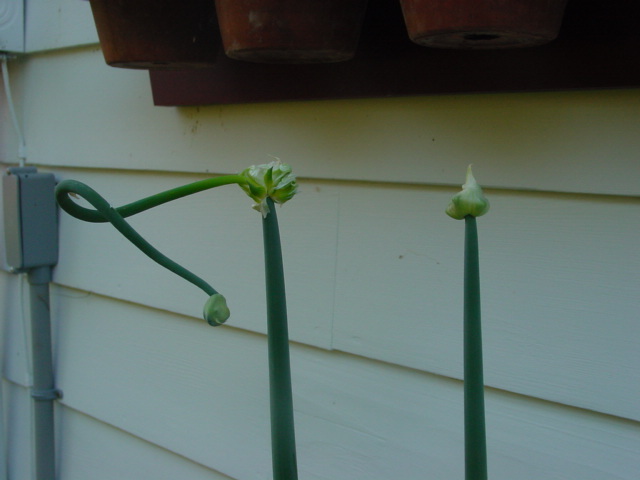
Identifying a Wild Allium (Onion/Garlic Relative)
A plant with hollow, tubular stems, segmented base, and no scent is a wild allium—likely wild garlic or onion. Alliums vary; some flower beautifully, others form seed heads or bulblets. Take a sample to your County Exten
When to Transplant Asiatic Lilies
Transplant Asiatic lilies in August or September, after foliage yellows and wilts. Green leaves are still feeding the bulb; moving too early sacrifices next years blooms. Wait for natural dieback.
Mimosa Tree Identification and Saving a Stressed Dogwood
The described tree—small, fern-like leaves, pink flower clusters, flat brown seed pods—is a mimosa (Albizia julibrissin), invasive in much of the South. Alabama lists it as a non-native invasive. The dogwood with green c
Dividing Lamb's Ear Without Damaging It
Lambs ear (Stachys byzantina) can be divided any time—best in morning or evening to reduce shock. Dig up clumps, separate, and replant. Note: its not long-lived; mother plants eventually die out. Fill bare spots with vig
Planting Blue Dune Lyme Grass on the Virginia Coast
Blue dune lyme grass (Leymus arenarius Blue Dune) can be planted now on the Virginia coast if no frost is expected for 30 days. Plant in morning, mulch to keep roots cool, side-dress with composted manure, and water deep
Supporting Tall Black-Eyed Susans
To stake flopping black-eyed Susans, use bamboo stakes around the clump perimeter (avoid piercing roots) and loop twine between them. Twiggy branches from pruning also work. Alternatively, cut stems lower after first blo
Why Isn't My Hydrangea Blooming?
A 2–3 year old hydrangea in part sun/shade isnt blooming or growing much. Common reasons: improper pruning (some hydrangeas bloom on old wood—prune only after flowering), late frosts killing buds in cold climates, alkali
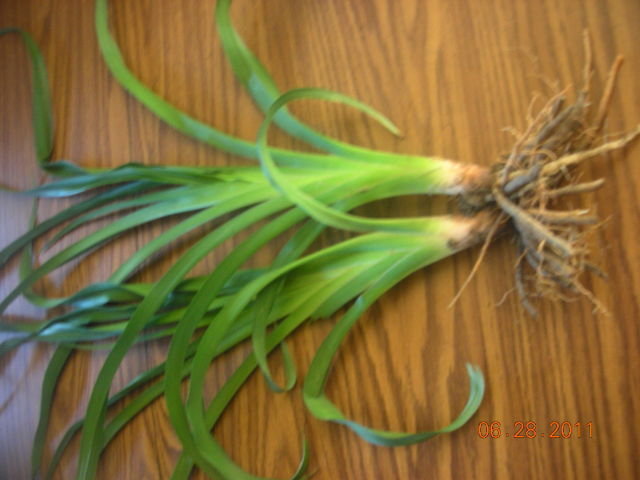
Replanting a Daylily with a Small Root Ball
A daylily dug from under a peony has a small root ball—but thats normal. Daylily rhizomes are naturally compact. Replant in a hole deep and wide enough to fan the roots, covering them 4 inches deep. Side-dress with well-
Mystery Plant Identified: Goatsbeard (Aruncus dioicus)
A 4–5 ft tall plant with huge, astilbe-like yellowish-white flowers and large leaves (8×4 inches) is likely goatsbeard (Aruncus dioicus). This shade-tolerant perennial thrives in moist, rich soil and adds airy elegance t
Fast-Growing Vines for a Full-Sun Carport in Zone 5 Washington
For a 12-ft steel carport in full sun (Zone 5, Washington), vigorous vines like Virginia creeper, trumpet vine, and honeysuckle will cover 24 ft quickly. However, these can become aggressive—monitor growth and prune regu
Copyright © www.100flowers.win Botanic Garden All Rights Reserved