
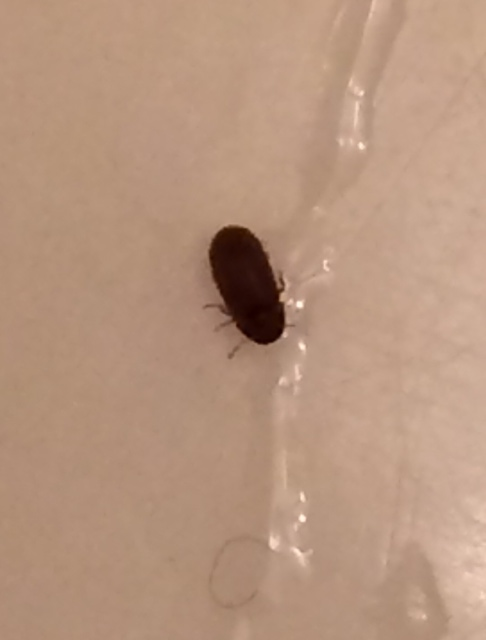


Diagnosing Brown Spots on Magnolia Flowers: Botrytis vs. Beetle Damage
Botrytis Blight on Magnolia Blooms Brown spots on unopened flowers, especially in damp weather, suggest botrytis (gray mold). Spores are airborne. Cultural Controls: Watering and Sanitation Water at the base only—never

Using Daffodils, Not Alliums, to Protect Bulbs from Voles and Deer
Why Alliums Fail Against Voles Experience shows voles eat allium bulbs readily. They are not a deterrent. Daffodils: The Proven Vole and Deer Repellent Daffodils are poisonous. Plant them in a triangle around vulnerable
Sowing Tiny Irish Moss Seeds: Practical Tips for Handling Dust-Like Seeds
Challenges of Microscopic Seeds Irish moss seeds are like dust—1000 seeds barely fill a pinch. Counting 20 per cell is impractical. Pinch-Sowing and Thinning Technique Sow a small pinch per 2x2 inch cell. When seedlings
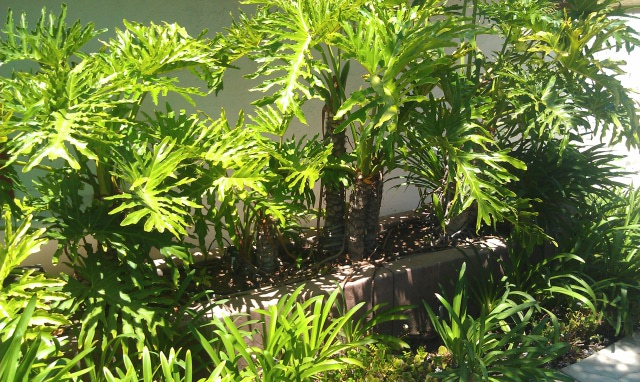
Identifying Tree Philodendron: A Dramatic Foliage Plant for Warm Climates
Key Features of Philodendron bipinnatifidum Massive, deeply lobed leaves on a thick, trunk-like stem. Can reach 8–10 feet tall in frost-free areas. Common Name Confusion: Selloum vs. Bipinnatifidum Both names refer to t
Pruning Flax Lilies: Routine Maintenance vs. Rejuvenation Cutting
Regular Deadheading and Leaf Removal Remove spent flower stalks and any damaged leaves as needed. Hard Rejuvenation Pruning Every Few Years Every 4–5 years, cut the entire clump to a few inches above ground in late wint
Identifying Mystery Shrubs: When Common Names Vary by Region
The Challenge of Regional Plant Names Tammy Bush may be a local nickname not found in standard references. How to Get Accurate Identification Provide a clear photo, leaf description, flower details, and your location to
Hardy Fuchsia Pruning in Seattle: Deciduous vs. Evergreen Types
Fuchsia pruning in the Pacific Northwest depends on type: deciduous or evergreen. Deciduous Fuchsias (Lose Leaves) When: Nov–early spring. How: Cut to 6 above ground. Evergreen Fuchsias When: Mid-spring. How: Light
Sedum Division and Transplanting: Controlling Spread and Sharing Excess
Overgrown sedum (stonecrop) is easily managed by clump division—no cuttings needed. Division Method When: Spring (as shoots emerge) or fall. How: Dig clumps with fork/spade; pull or cut into sections. Replant: Water we
Identifying Evening Primrose: The Yellow "Moonflower" with Serrated Leaves
The spreading plant with serrated leaves and pale yellow flowers called moonflower is likely evening primrose (Oenothera spp.). Identification Flowers open late afternoon/evening. Four petals, yellow, often fragrant. R
Weed Control in Juniper Groundcover: Spot Treatment and Expert Referral
Junipers smothered by weeds on a slope: no selective herbicide exists. Spot-treatment and expert consultation are best. Spot-Treatment Method Wear gloves; apply glyphosate to weed foliage with brush. Minimizes juniper
Crape Myrtle Training: From Bush to Tree Form on Long Island
Newly planted crape myrtle on Long Island (zone 7) can be trained into a small tree with proper pruning. Pruning for Tree Form When: Now (after bloom) or late winter. Action: Remove lower limbs to desired trunk height.
Unity Plant Ceremony: Cat-Safe, Long-Lived Houseplant Suggestions
For a wedding unity planting, choose non-toxic, easy-care, long-lived houseplants. Top Recommendations Indoor Palms (Chamaedorea, Howea, Rhapis): elegant, air-purifying, decades-long life. Christmas Cactus (Schlumberge
Sourcing Italian Heather (Erica ventricosa) in Arizona: Mail-Order Nursery
Heaths and Heathers Nursery (Shelton, WA) ships Erica ventricosa to all 50 states—including Mesa, AZ. Ordering Info Website: Heaths and Heathers Specific page: Erica ventricosa listing Garden Watchdog rating: Positive
Creeping St. John's Wort for Hot, Dry Slopes: Invasiveness Caution
Hypericum calycinum tolerates your west-facing, hot, dry slope between walk and basement—but can become invasive. Pros for Your Site Drought tolerant once established. Handles reflected heat. Dense mat suppresses weeds
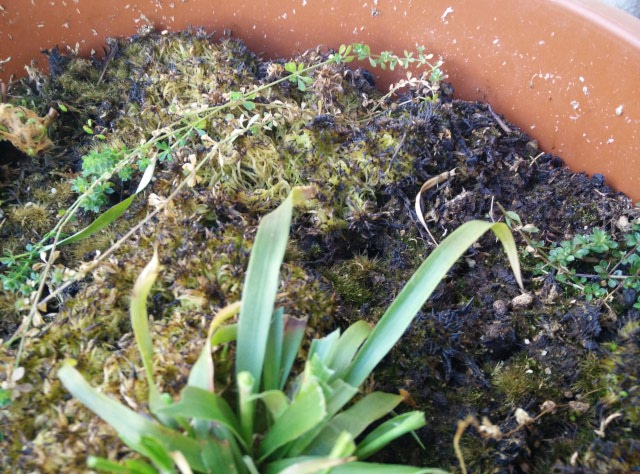
Irish Moss (Sagina subulata) Winter Dormancy in Pots: Not a Houseplant
Irish moss declines indoors because it requires winter dormancy—its a hardy perennial (zones 4–9), not a tropical houseplant. Correct Winter Care Leave pots outdoors in protected spot (against wall, unheated garage). E
Rose Tree Winter Protection in Iowa Zone 5: Trunk Insulation Method
Tree roses (grafted standards) in Muscatine, IA (zone 5) need trunk protection—the graft union is vulnerable. Protection Method Build wire cage around trunk (12–18 diameter). Fill with leaves, straw, or mulch. OR wrap
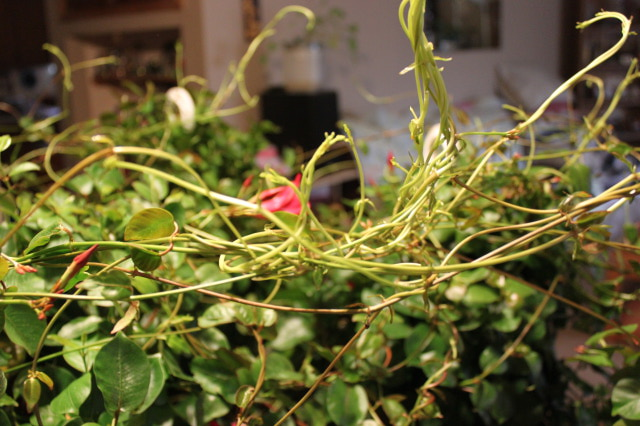
Pruning Dipladenia Indoors: Runner Management Without Harm
Dipladenia runners can be trimmed aggressively during winter dormancy without damaging the plant. Pruning Guidelines When: Anytime—winter growth is minimal. How far: Cut to main stem or desired length. Frequency: As ne
Overwintering Potted Alstroemeria in Illinois: Garage Storage Method
Alstroemeria (Peruvian lily) is marginally hardy to zone 7; in Illinois (zone 5/6), pots need protection. Garage Overwintering After frost kills tops, cut dead growth. Move pots to unheated garage/shed. Mulch pot surfa
Avocado Tree Winter Protection in Central Texas: Container Strategy
Avocados (Persea americana) are not hardy in Central Texas (zone 8a). Must be containerized and protected. Overwintering Plan Dig and pot in large container (wheeled ideal). Move to greenhouse or bright indoor spot (ea
Daffodil Bulb Size Matters: Larger Bulbs = More Flowers, Faster Multiplication
When buying daffodils, 17 cm bulbs outperform 10/12 cm significantly: 2–3 stems with multiple flowers vs. 1 flower per bulb. Size Impact Larger bulbs = more stored energy = bigger display. Multiply faster—fewer needed
Copyright © www.100flowers.win Botanic Garden All Rights Reserved