
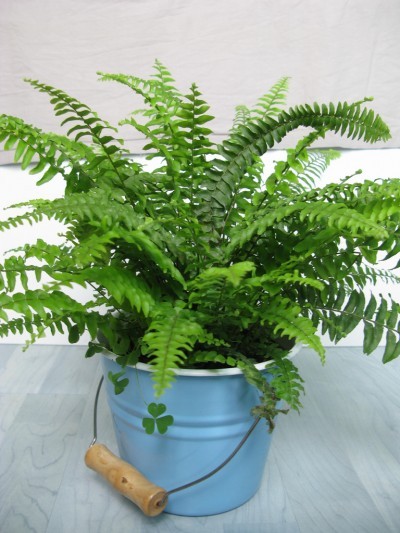
Fertilizing Boston Ferns: Seasonal Schedule & Tips
Boston Fern Fertilizer Basics Boston ferns are light feeders but still need nutrients for lush growth. Over-fertilizing—especially in winter—is a common killer. Spring & Summer (Active Growth) Frequency: Monthly Formul

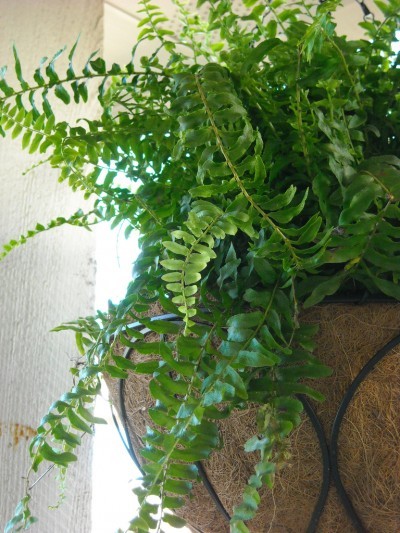
Pruning Boston Ferns: When & How for Bushier Growth
Why Prune Boston Ferns? Remove shaded-out older fronds, leafless runners, and correct leggy growth. Routine trimming of discolored foliage can be done anytime; severe pruning is best in spring/summer, ideally during rep
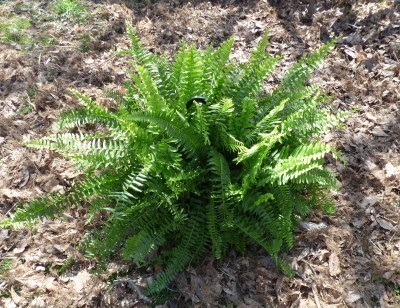
Overwintering Boston Ferns: Indoor Care & Dormant Storage
Two Overwintering Strategies Option 1: Keep as a Houseplant Requires cool nights (55–65°F / 13–18°C), bright indirect light (south window unobstructed), daytime temps below 75°F (24°C), and high humidity. In hot, dry ho
Propagating Boston Ferns: Runners & Division Methods
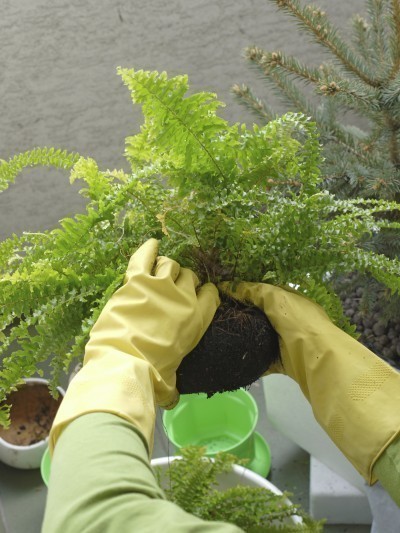
Two Easy Propagation Methods Boston ferns propagate readily via runners (stolons) or division. Both yield healthy new plants. Method 1: Runner (Stolon) Propagation Identify a runner with roots where it contacts soil. G
Repotting Boston Ferns: When & How to Do It Right
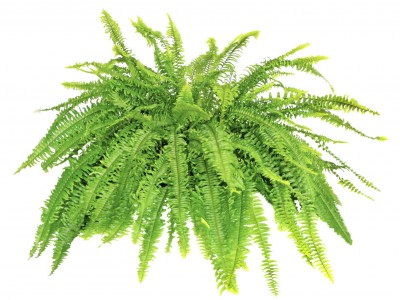
Signs Your Boston Fern Needs Repotting Slowed growth Roots emerging from drainage holes Water runs straight through the pot Roots form a dense mat on the soil surface Dont wait until severely root-bound. Repot every 2
Growing Boston Ferns Outdoors: Zones, Care & Pest Control
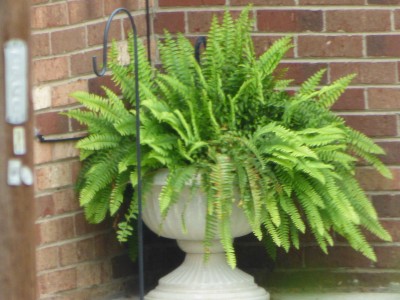
Can Boston Ferns Live Outside? Yes! In USDA zones 9–11, Boston ferns thrive outdoors year-round in warm, humid climates. They tolerate light frost (dying back but returning in spring) and handle drier areas with ample w

Boston Fern Root Nodules: What They Are & How to Propagate Them
Understanding Root Nodules When repotting a mature Boston fern, you may notice grape-sized, round nodules on the roots where fronds meet rhizomes. These bulbils are natural adaptations that store water and nutrients, he
Watering Boston Ferns: The Right Amount & Frequency
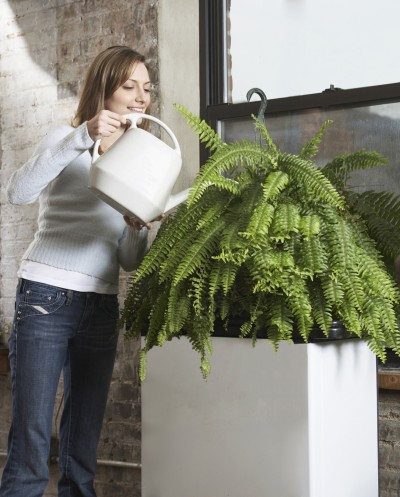
Mastering Boston Fern Irrigation Boston ferns shed leaves if watering is inconsistent. They prefer slightly moist soil but rot in waterlogged conditions. Yellowing or wilting leaves often signal overwatering. How to Che
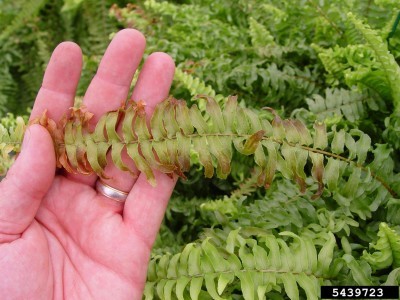
Boston Fern Turning Brown: Diagnosis and Treatment
Why Boston Fern Fronds Turn Brown Brown fronds diminish the Boston ferns lush appeal. Causes range from cultural issues to pests. Common culprits include: Light – Too much direct sun scorches tips; avoid south-facing w
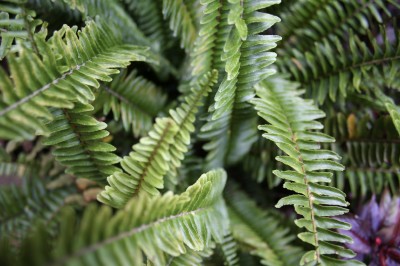
Boston Fern Leaf Drop: Causes and Quick Fixes
Why Is Your Boston Fern Losing Leaves? Leaf drop looks alarming but usually signals a correctable care issue. Most cases stem from one of four common problems: 1. Natural Aging Older fronds naturally yellow and drop. If
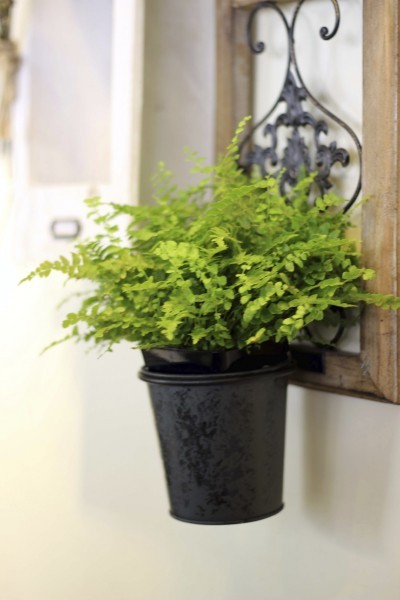
Boston Fern Humidity Guide: Misting, Trays & Humidifiers
Why Humidity Matters for Boston Ferns Boston ferns bring Victorian elegance to modern homes, but their tropical origins mean they crave high humidity. Without it, expect brown leaf tips, yellowing, and leaf drop. Fortun
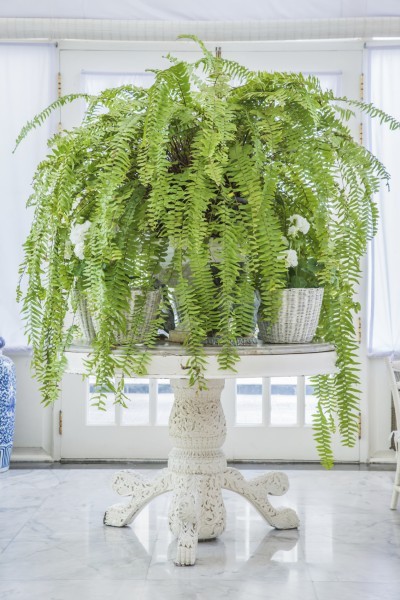
Boston Fern Light Requirements: Optimal Conditions for Healthy Growth
Understanding Boston Fern Light Needs The Boston fern (Nephrolepsis exaltata bostoniensis) is a classic houseplant prized for its cascading, deep-green fronds. While generally low-maintenance, providing the right light
Boston Fern Diseases: Root Rot, Blight, and Cultural Problems
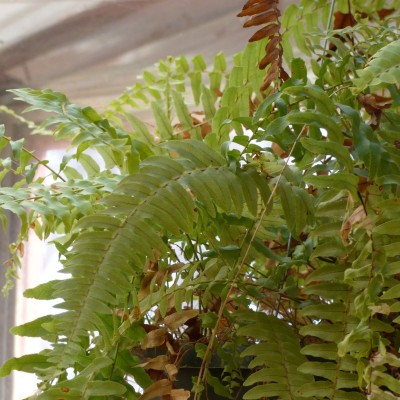
Watering Issues Over- or underwatering causes problems. Keep soil constantly moist but not waterlogged. Water thoroughly when topsoil is dry until it drains from bottom. Wait until surface is dry before watering again.
Boston Fern Black Fronds: Natural Spores vs. Disease Problems
Natural Black Spots: Spores Small black spots in regular rows on leaf undersides are spores—reproductive structures. This indicates a healthy fern. Do nothing. Natural Aging Older lower fronds brown/black as new growth
Boston Fern Care: Humidity, Water, and Light for Healthy Nephrolepis
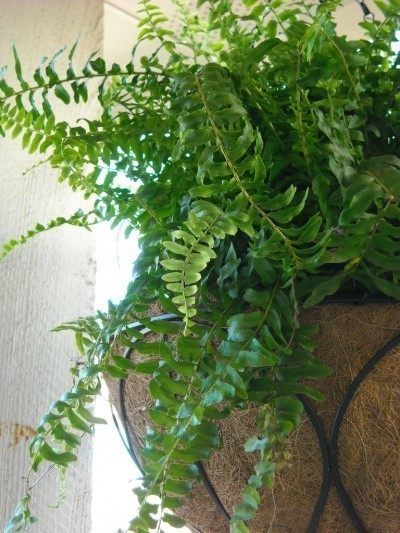
Ideal Environment Boston ferns (Nephrolepis exaltata) need a cool spot with high humidity and indirect light. Humidity Indoor air is often dry, especially in winter. Increase humidity by setting the pot on a pebble tra
Identifying the 'Hairy Spider Leg' Plant: Rabbit's Foot Fern Varieties
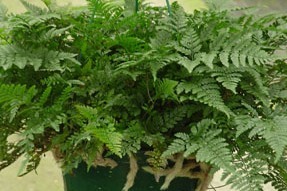
A traveler (Robyn) saw a 20+ year old plant in a German B&B with long hairy spider legs growing from the pot and seeds on leaf undersides. The owner gave her leaves with seeds, but they were lost. She wanted to find and
Propagating Asparagus Fern by Division, Not Cuttings
A gardener asked how to restart a broken piece of asparagus fern for replanting. Not a True Fern Asparagus fern (Asparagus sprengeri) is a grass relative, named for its fern-like appearance. Commercially grown from seed.
Troubleshooting Indoor Fern Failures: Humidity, Watering, and Pests
A fern enthusiast (Monica) had three indoor ferns (rainbow, maidenhair, petite ginkgo-like) that always died: new growth looked good for a week, then browned and dried. Watered every other day (moist, not soaking), tried
Japanese Painted Fern Identification, Care, and Propagation
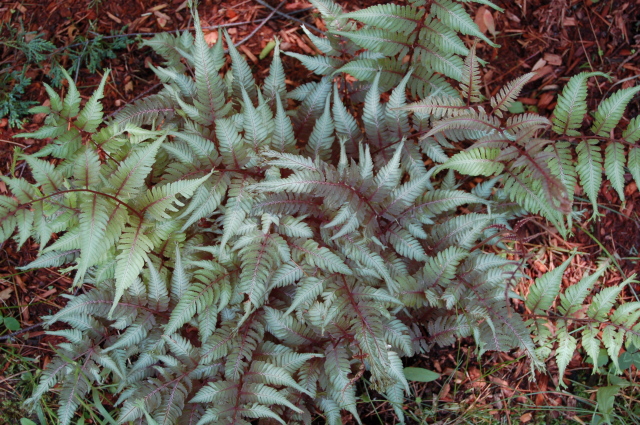
A Massachusetts gardener (Steven DiCastro) asked for ID of distinctive colored ferns planted by landscapers. Photos showed Athyrium niponicum Pictum (Japanese Painted Fern). Characteristics Herbaceous perennial: dies to
Identifying Your Rabbit's Foot Fern: White vs. Brown Rhizome Types
A gardener had a rabbits foot fern with fuzzy rhizomes wrapping the pot, easy care, gorgeous foliage, and wanted the correct name. Two Commercial Types White Rabbits Foot: Dark green foliage, white rhizomes. Scientific
Copyright © www.100flowers.win Botanic Garden All Rights Reserved