

Why Your Asiatic Lilies Stopped Blooming After the First Year
The Forced-Bloom Trap Those beautiful Matrix Red Asiatic lilies you bought in April were forced into early bloom for retail sale. Forcing exhausts the bulb’s stored energy—it’s like running a marathon before training. Af

Hydrangea Planting Depth Fix: What to Do When You’ve Dug Too Deep
The Problem: Hydrangea Planted 4 Inches Too Deep in Clay You planted a nursery hydrangea in Georgia’s heavy clay, accidentally digging the hole 4 inches deeper than needed. You backfilled with a mix of clay, soil conditi
Planting Magic Carpet Creeping Thyme in Indiana: Timing and Techniques for Success
Can You Plant Creeping Thyme in Early June? Yes, early June is an excellent time to sow Magic Carpet creeping thyme directly outdoors in Indiana. Since frost danger has passed, direct seeding is the easiest and most effe
Sexing American Bittersweet: Floral Anatomy for Early Identification
Why Sex Determination Requires Mature Flowers Male and female flowers look similar until fully open. Vegetative growth gives no clues. Botanical Differences Between Male and Female Blooms Male: 5 stamens, vestigial pist
Trumpet Honeysuckle: Fragrant-Free, Non-Invasive, and Bee-Resistant for Northern Gardens
Why Lonicera sempervirens Fits the Criteria Native trumpet honeysuckle lacks strong fragrance, so it doesnt attract bees. Its not invasive in Illinois. Wildlife Attraction: Hummingbirds Over Bees Tubular red flowers are
Avoid Transplanting Mature Hydrangeas: Hard Pruning as a Better Alternative
Why Transplanting Established Hydrangeas Is Risky Large, old hydrangeas have extensive root systems. Moving them during construction causes severe shock. Hard Pruning: Timing and Benefits Cut back to 12–18 inches after
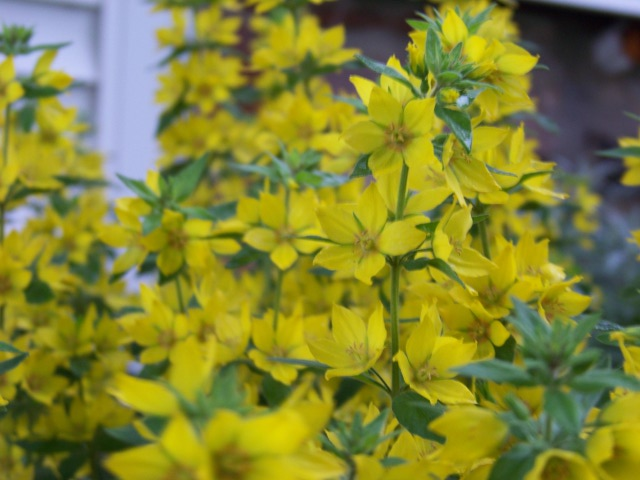
Identifying Yellow Loosestrife (Lysimachia punctata): A Vigorous June Bloomer
Key Identification Features Tall central stem with whorls of bright yellow flowers held close to the stem. Blooms in June. Hardy zones 3–4. Growth Habit and Hardiness Spreads aggressively by rhizomes. Can become invasiv
Diagnosing Twisted Growth in Stargazer Lilies: Herbicide Drift vs. Insecticide Reaction
Symptoms of Herbicide Exposure on Lilies Twisted, thickened leaves and hardened growing points are classic herbicide injury (e.g., glyphosate drift), not insecticide. Why Stargazer Lilies Produce No Viable Seeds Stargaz
Managing Fungal Disease in Creeping Phlox: Pruning and Organic Fungicides
Identifying Fungal Damage vs. Root Death Brown patches in cool, wet weather often indicate fungal leaf spot or blight. Roots may still be alive. Pruning to Remove Infected Tissue Cut back all dead/brown growth. This imp
Recovering Hydrangeas from Fertilizer Burn and Encouraging Rebloom
Signs of Over-Fertilization Brown leaf edges, scorched flowers, and sudden bloom fade after heavy feeding. Deadheading for Aesthetics and Rebloom Remove spent flowers. On remontant types (Endless Summer, Forever & Ever)
Transplanting Lily of the Valley: Timing and Techniques for Success
Why Fall Is Preferred but Not Mandatory Lily of the valley goes dormant after bloom. Fall transplanting aligns with this cycle, but early summer moves work if done carefully. Minimizing Transplant Shock Dig in morning o
Overwintering and Replanting Calla Lilies in Cold Climates: Best Practices
Proper Winter Storage: Netted Bags, Not Plastic After frost kills foliage, dig rhizomes, shake off soil (dont wash), and store in mesh bags in a dark, dry, cool (40–50°F) place. Spring Replanting: Warm Soil and Bone Mea
Establishing Lacecap Hydrangeas: Mulching, Watering, and Pruning for Future Blooms
First-Year Bloom Expectations Lacecaps often bloom lightly in year 2, fully in year 3. One bloom on one plant is a good sign. Mulching to Reduce Wilting Apply 3–4 inches of shredded leaves, straw, or bark. Keeps roots c
Planting Bare-Root Bleeding Heart in Summer: Understanding Dormancy
Bleeding Hearts Natural Summer Dormancy Dicentra spectabilis blooms in spring, then foliage yellows and dies back by mid-summer. This is normal. What to Expect from Bare-Root Planting in Heat Planted in 90°F weather, th
Managing Height in Stargazer Lilies and Reviving Non-Blooming Iris
Genetic Height of Stargazer Lilies Stargazers are bred to be 4–5 feet tall. Denying nutrients to shorten them produces weak, distorted blooms. Choosing Shorter Lily Varieties Look for Asiatic or LA hybrids that stay 2–3
Deer-Resistant vs. Deer-Proof: Why Tiger Lilies Still Get Eaten
Understanding Resistance Ratings Deer-resistant means not a preferred food. Deer-proof means never eaten. No plant is truly deer-proof. Deer Feeding Behavior Under Pressure High populations, drought, or winter hunger dr
Reviving Stressed Perennials After Early Frost and Drought: Safe Transplanting Practices
Diagnosing Frost Damage vs. Drought Stress Early emergence followed by hard freeze can kill tender growth. Drought causes similar wilting. Check soil moisture and recent weather. Importance of Extension Lab Diagnosis Be
Transplanting and Dividing Campanula in Early Fall: Step-by-Step
Why September Is Ideal for Campanula Moves Soil is still warm, promoting root growth before winter. Plants establish without heat stress. Preparing the New Site Dig holes wider than the root balls. Mix in blood, fish, a
Best Ground-Hugging Perennials for Sun: Sedums and Ice Plants Under 2 Inches
Sedum Varieties for Tight Spaces Many stonecrops (Sedum) form tight mats 1–2 inches tall, bloom in white, yellow, or pink, and thrive in hot, dry, well-drained sites. Delosperma (Ice Plant) for Colorful Carpets Delosper
Sourcing Large Quantities of Aspidistra Rhizomes: Wholesale Channels for Commercial Growers
Why Retail Advice Falls Short for Bulk Orders 20,000 rhizomes is a commercial scale. Hobbyist sources cannot meet this volume. University Extension as a Wholesale Resource Contact UC Extension (ucanr.org) for referrals
Copyright © www.100flowers.win Botanic Garden All Rights Reserved