

Proper Pruning of a Storm-Damaged Magnolia Branch: Why Wound Paint Is Unnecessary
Correct Cut Technique Make an undercut first to prevent bark tearing. Cut through from the top, just outside the branch collar. Leave a smooth surface flush with the trunk. No Paint Needed Research shows wound dressin

Southern Magnolia: Champion Trees, Age Estimation, and Seed Propagation
Finding Champion Magnolias Each state maintains a Champion Tree list of the largest specimens. Contact your state forestry agency for local records. The oldest known cultivated magnolia is at George Washingtons Virginia
Transplanting a Young Maple Tree: How to Dig, Wrap, and Move a 1-Year-Old Sapling
Root Ball Size For a 66-inch tall maple with ¾-inch trunk, dig an 18-inch diameter root ball (9-inch radius from trunk) and 18 inches deep. Step-by-Step Mark the circle with string, dig straight down, then undercut the
Killing a Persistent Mulberry Stump with Cut-Stump Herbicide Treatment
Why Cutting Alone Fails Hardwoods like mulberry store energy in extensive root systems, allowing vigorous resprouting. To kill the roots, you must translocate herbicide through the vascular system. Effective Method In
Germinating Japanese Maple (Acer palmatum) Seeds: A Step-by-Step Stratification Guide
Seed Preparation Soak seeds in lukewarm water for 48 hours to soften the seed coat. Mix with damp (not wet) sphagnum moss or peat in a zip-lock bag. Keep at room temperature for 4-6 weeks (warm stratification). Cold S
Transplanting a Volunteer Red Maple: Timing and Technique
A 5-year-old volunteer red maple (~4 ft tall) grows under a 30-year-old parent on the NY/NJ border. Leaves have fallen; ground is soft. Owner asks: transplant now or wait for spring? Wait Until Spring Fall transplanting
Why Trees Change Color in Fall: The Science Behind Autumn Foliage
A Western North Carolina resident enjoys mountain fall color but wonders why it fades quickly some years. The Pigment Story Chlorophyll (green): Dominant in growing season; masks other pigments. Production stops as day
Finding Reliable Plant Care Info & Diagnosing Willow Decline
A new gardener seeks a trustworthy plant care resource and help with two weeping willows planted simultaneously—one thriving, one with immediate yellow/brown leaves. The nursery said not to worry if branches arent crisp.
Why a Dahoon Holly Has No Berries: The Male/Female Requirement
A 3-year-old Dahoon holly (Ilex cassine) grows well but produces only yellowish flowers—no red berries. The owner uses palm and general fertilizers and wants the tree to match berry-laden neighbors. The Answer: Its a Ma
Holly Leaf Spots: Identifying and Treating Powdery Mildew
A holly tree shows black-spotted leaves, gray-bordered half-eaten areas, and yellowing foliage—new symptoms after years of health. The owner removed affected leaves and asks for diagnosis and treatment. Diagnosis: Powde
Climbing Spikes on Oak Trees: Disease Risk vs. Cost
A homeowner removing several trees and pruning dead branches on large oaks (15″ diameter) asks if hiring a company that uses climbing spikes (gaffs) risks disease spread compared to a boom truck—and if the higher cost is
Root Spread and Depth of a 35-Foot Horse Chestnut (Hippocastanum)
A homeowner asks about the root span and depth of a 35-foot-tall horse chestnut (Aesculus hippocastanum). Root Spread: Mirror the Canopy Root systems typically extend 1–1.5× the canopy radius. For a 35-ft tree with ~30-
Planting Around a Dead Oak Stump: What to Know
After herbicide drift killed a mature oak, the owners cut it down, leaving a 4-inch dry stub with peeling bark and green mold. They want to plant White Bird of Paradise (Strelitzia nicolai) around it and ask if the stump
Tree Harvesting Statistics: The Renewable Reality of American Forests
Addressing the Tree Shortage Myth A common question: How many trees are cut for houses annually, and how many will remain by 3004? The premise assumes irreversible depletion. Reality: trees are a renewable crop. Alabama
Mature Silver Maple Near House Foundation: Risk Assessment and Management
Current Situation A 20-year-old silver maple (Acer saccharinum) stands 15 feet from a poured foundation. Trunk diameter: 32 inches. Height: ~50 feet. Spread: ~30 feet. The owner worries about future growth and foundation
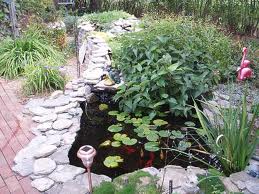
Building a Fish Pond Near a Maple Tree: Root Protection Guidelines
A South Carolina homeowner wants to build a 2-foot-deep round fish pond around a 25-foot maple. The critical question: how close to the trunk can excavation go without killing the tree? The Drip Line Rule Do not excavat
Controlling Aggressive Box Elder Suckers: Herbicide Strategy for Root Elimination
The Persistent Sprouting Problem Box elder (Acer negundo) sends up vigorous suckers 10-20 feet in a single season. Cutting them only stimulates more growth from the extensive root system. Two Scenarios, Two Solutions Sc
Botanical Nomenclature Decoded: Pinus resinosa Ait. vs. Soland.
Same Species, Different Authorities Pinus resinosa Ait. and Pinus resinosa Soland. both refer to the same tree: red pine (also called Norway pine). The difference lies in the botanists who formally described and publishe
Slope Stability vs. Tree Removal: Managing Redwoods and Pines on a California Hillside
The Core Conflict Bay Area homeowners want to remove a multi-trunk pine and a 4-story redwood from a steep backyard slope. The trees block fence access, drop limbs, and host persistent ivy. But they also stabilize soil a
Grafting Limitations: Why Persimmons Won't Accept Other Fruit Species
The Grafting Compatibility Rule A Missouri landowner with 40+ wild persimmon trees (Diospyros virginiana) hopes to graft more desirable fruits onto them. They also ask about grafting onto wild cherry (Prunus serotina).
Copyright © www.100flowers.win Botanic Garden All Rights Reserved