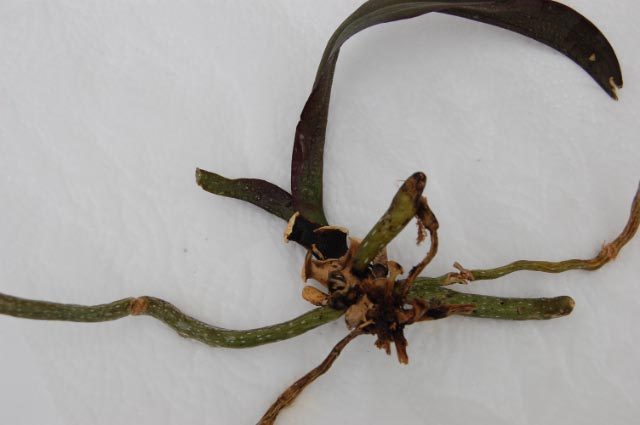

Pruning Unknown Clematis: Safe Strategy for 3-Year-Old Vines
The Dilemma Two 3-year-old clematis on a porch trellis, purple flowers, not ‘Jackmanii’. Lost the tag. Don’t know pruning group (1, 2, or 3). Zone 5, NW Missouri. Safe Approach: Minimal Tidy-Up Now If it’s not a tangle

Pinching Mums: Timing, Transplanting, and Frost Safety
Early Growth = Early Pinching Mums at 5–6 inches in early spring (due to mild winter) should be pinched now. But coordinate with transplanting: Pinching Schedule Plants staying put: Pinch now. Plants moving Saturday: T
Starting Hostas from Bare Roots: Patience Pays Off
What to Expect Bare-root hostas (5-inch roots/corms in a bag) take 1–2 seasons to reach “large and pretty.” They’re settling in. Potted hostas give instant size but cost 3–4× more. Timeline Weeks 1–4: Roots establish,
Mums Growing Early After Mild Winter: Pinch Now, Bloom in Fall
Why Your Mums Are 6 Inches Tall in April Unusually warm winter across the U.S. triggered early growth. Container mums especially—roots less insulated—woke up early. They’re not confused; they’re responding to temperature
Planting Zebra Grass (Miscanthus) to Hide a Fence: Spacing and Care
Quick Specs Height: 4–7 feet Spread: 3–5 feet Zone: 4–9 Growth: Fast, clump-forming Spacing for a Solid Screen From fence: 3 feet minimum (allows air flow, maintenance access). Between plants: 3 feet on center (they’
Identifying a Shiny-Leaved, Pink-Blooming Bush in Massachusetts: Likely Rhododendron
Reader’s Clues 10 years old, shiny leaves Blooms early spring (snow or not) Pink flowers, gardenia-like Wild turkeys eat buds Plymouth, MA area (Zone 6) Expert ID: Rhododendron Matches perfectly: evergreen, shiny leav
Reviving a Leggy Daisy Tree (Argyranthemum) After Winter Storage
What You’re Seeing Is Normal Woody, brown lower stems with green only at tips (6–8 inches) is classic for overwintered daisy trees. They go semi-dormant, shed lower leaves, and look skeletal. Don’t chuck it. Spring Reha
Stella d’Oro Daylilies Stop Blooming? Divide the Crowded Clumps
The Diagnosis: Overcrowding Front bed blooms like crazy; back bed has zero buds. Same sun, same lake-water irrigation (natural fertilizer). The difference: back bed is older and crowded. Daylilies need division every 3–4
Planting Near Sewer Pipes: Knockout Roses OK, Forsythia Risky
The Pipe Situation PVC sewer line + flexible plastic pipe, 2 feet deep. You want knockout roses and forsythia against the house in central Kentucky. Root Risk Assessment Knockout roses: Shallow, fibrous roots. Low risk
Worms in Pots: Good Idea or Indoor Disaster?
Short Answer: Only for Outdoor Pots If your potted plants are indoors—no worms. They’ll die (or escape). No benefit. If pots are outdoors—worms often colonize naturally. They don’t harm plants and may improve soil struct
Zone 7 Hillside Garden: Heat, Humidity, Clay, and Deer? Plants That Actually Survive
Your Tough Conditions Checklist Zone 7 (0–10°F winters) 100°F+ summers, high humidity Red clay soil (poor drainage, compacts) Hillside = good drainage but erosion risk Full sun Past failures with crotons, peace lilies (
Daffodils and Tulips: No Flowers After Two Years? Check These 5 Causes
Why Your Bulbs Are Leaf-Only You planted daffodils and tulips two years ago—plus new daffodils last year. All produced foliage but zero flowers. Here are the most likely culprits: Top 5 Reasons for Bloom Failure Excess
Allium ‘Gladiator’ with Twin Stems: Should You Remove One Bud?
The Situation One of three ‘Gladiator’ allium bulbs produced two flower stems with two buds—both weaker and shorter than the single-stem plants. You’re wondering if removing one bud will strengthen the other. Expert Ver
Why Daffodils Grow Leaves But No Flowers: The Late-Planting Trap
The Diagnosis: December Planting = No Bloom Energy You planted 20 bulbs in late December in New Jersey. Package said September–November. Only 3 bloomed; 19 produced only leaves. The bulbs had insufficient time to root be
DIY Fungicide: Baking Soda & Horticultural Oil Formula for Powdery Mildew
The Proven Recipe Mix in 1 gallon of water: 4 teaspoons baking soda (≈1 rounded tablespoon) 1 tablespoon horticultural oil (or citrus oil + 1 tsp molasses) Spray lightly on foliage affected by powdery mildew, black spo
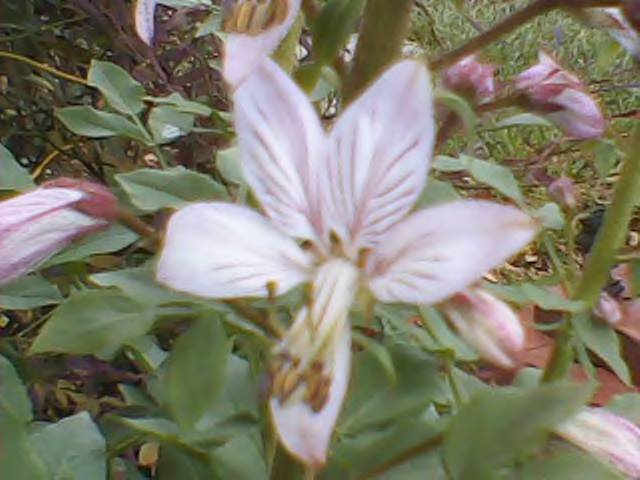
Mystery Flower in Virginia: 4-Petaled Pink Star with Lemonade Scent
Reader’s Description Perennial, 3+ feet tall Pink flowers, “pink lemonade” fragrance 4 upper petals + 1 lower petal = star shape Seed pods form star-shaped clusters with small black shiny seeds Long green stems, small l
Italian Heather (Erica ventricosa) in Zone 6: A Temporary Gift Plant, Not a Landscape Shrub
The Hard Truth: It Won’t Survive Your Winter Italian heather is a greenhouse-forced gift plant for Mother’s Day, Easter, and birthdays. It’s native to South Africa’s mountains—not frost-tolerant. In Zone 6 (Kentucky/Indi
Moving and Dividing Large Shasta Daisies: Do It Right, Do It Now
Can You Move 2-Foot-Wide Shasta Daisies in Bloom Season? Yes—relocation is safe even for large, budding plants. But do not divide them now. They’re putting all energy into flowering; dividing adds root trauma they can’t
Propagating Roses from Cuttings: Timing and Technique for Overgrown Bushes
Best Time to Take Rose Cuttings November through February (dormant season) yields the highest success rates. But you can root roses year-round if you follow the right steps. Since your bush is overgrown and beautiful, no
When Phlox Gives Up: Replacing 8-Year-Old Plants That Turned Brown
The Hard Truth About Phlox Longevity Your 8–9-year-old phlox bed turning completely brown isn’t a disease—it’s old age. Phlox subulata (creeping phlox) and other alpine types peak at 4–5 years. After that, they decline:
Copyright © www.100flowers.win Botanic Garden All Rights Reserved