


Transplanting Large Pieris japonica Successfully
Moving 6-Foot Andromeda with Acid Soil Prep Severely trim 6-foot Pieris for handling. Dig 18 deep, 12 out. Needs helpers. Remove some soil from root ball. New hole wider/deeper with peat mixed in for acidity. Spread root

Daffodil Bulb Storage: Fridge or Cool Basement
Keeping Bulbs Viable Until Planting Time Store daffodil bulbs in fridge (no apples in crisper!) in netted bags, or in cool, dark, dry basement/cellar for months. Both methods maintain dormancy until planting. Storage Ru
Transplanting Mature Red Currant Bush
Moving 6-Foot Ribes for Deck Expansion Dig 18 inches deep, 1 foot out from trunk. Trim top first for handling. Shake soil off roots. New hole wider/deeper than root ball. Spread roots, center, backfill, tamp, mulch with
Insect Identification: Refer to Pest Specialists
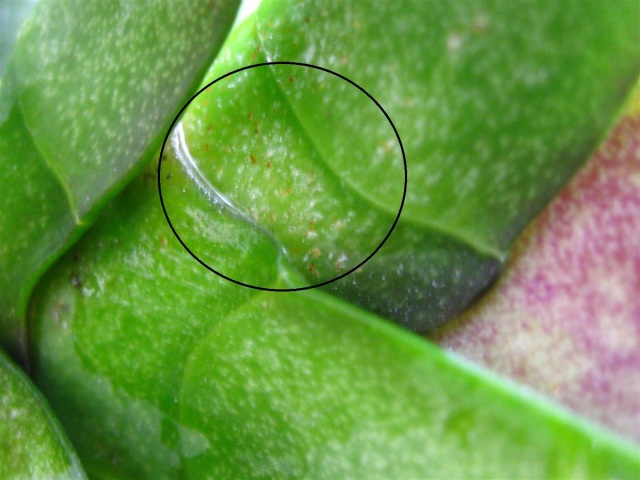
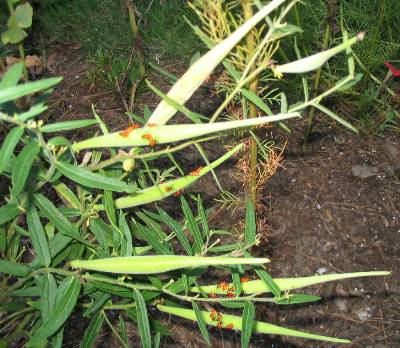
Clear Liquid Spheres on Verbena—Expert Needed Tiny clear liquid-filled balls containing larvae on dead verbena require entomology expertise. AllExperts has four pest specialists under Home/Garden → Gardening → Pests who
Calla Lily Seed Pods: Harvest or Remove
Managing Seed Production on Calla Lilies Strange pods on calla stems are seed capsules. Snip off to conserve rhizome energy, or harvest when dry for propagation. Seeds germinate easily at 75°F, ½ inch deep in moist soil
Peach Tree Transplant Shock Recovery
Managing Container Transition After Ground Removal Leaf drop and drooping after moving to large pot with John Innes No. 3 is classic transplant shock. Recovery takes until next growing season. Water weekly, feed with fru
Wisteria Seed Pods: Remove for Better Blooms
Bean-Like Pods Are Seed Capsules Runner bean-like structures on wisteria are seed pods. Remove and discard—they divert energy from flowering. Seed-grown wisteria takes 15+ years to bloom. Wisterias are legumes (Fabaceae
Fall Care for Hostas and Black-Eyed Susans in New Jersey
Minimal Maintenance for Reliable Perennials Hostas: Do nothing. Leaves shrivel naturally; plants re-emerge spring. Tough, low-maintenance. Black-Eyed Susans: Cut to ground after blooming (late September). Remove debris t
Climbing Hydrangea Failure at Tree Base
Wrong Location Causes 8-Year Bloom Absence Climbing hydrangea at tree base suffers dense shade and root competition—no water/nutrients. Move to dappled shade with reliable moisture. Feed high-nitrogen fertilizer June/Jul
Non-Flowering Hydrangea: When to Replace
12-Year-Old Hydrangea That Rarely Blooms After 12 years with only 2 bloom cycles despite relocation and pruning, this plant likely has inherent issues. Try one more year: no pruning, balanced liquid fertilizer spring, mu
Rejuvenating Old Honeysuckle in Colorado
Hard Pruning for 10-Year-Old Vine Cut honeysuckle to near ground level now to stimulate fresh growth. Ensure full sun—shade from mature trees reduces blooming. Avoid nitrogen fertilizers; use composted manure if needed.
Clematis montana 'Rubens' Poor Flowering in England
Fixing Nitrogen-Induced Bloom Failure Excessive nitrogen (from lawn fertilizer runoff) causes lush foliage but few flowers on Clematis montana. Switch to 5-10-10 fertilizer (bulb/tomato formula) in spring and summer. Pru
Transplanting Established Lantana 'Irene'
Moving Large Lantana Successfully In zones where lantana overwinters, fall is ideal for transplanting. Cut back for easier handling, dig generous root ball, plant in wider/deeper hole, water deeply, side-dress with compo
Managing Overgrown Garden Mums in Houston Heat
Thinning Vigorous Chrysanthemums Without Shock Houston mums spreading aggressively need division, but summer heat risks transplant shock. Wait for cooler fall temperatures. Clarify: are plants crowding neighbors or just
Moonflower Seed Saving and Pest Management
Harvesting Seeds and Controlling Orange Pests Collect moonflower seeds from dark, dry pods. Store in paper bags (not plastic) in cool, dark place until spring. For orange bugs eating leaves, consult pest experts via AllE
Purple Calla Lily Dormancy Care in Michigan
Managing Gift Calla Lilies Through Dormancy September gift callas likely entering natural dormancy. Allow process: keep in sun until fully withered, then store pot cool/dark/dry 2-3 months with minimal water. Return to w
Hardy Hibiscus Natural Fall Dieback
Understanding Seasonal Dormancy in Hibiscus moscheutos Dead limbs on hardy hibiscus in late summer/early fall is normal, especially in northern Zone 5. These perennials die to ground annually. No intervention needed unle
Limelight Hydrangea Stress from Excessive Rain
Managing Hydrangeas in Saturated Soil Limelight hydrangea on a slight rise with curling leaves and browning flowers after heavy rain indicates water stress despite good drainage. If soil remains soggy, transplant this mo
Dog-Resistant Perennials for Street Median Planting
Tough Plants for High-Traffic, Dog-Frequented Areas Your selections (lavender, daylilies, sedum, ajuga, hens and chicks, spring bulbs) are excellent—lavenders fragrance may deter dogs. Keep plants under 2 feet for visibi
Overwintering Geraniums in Ohio Garage: Temperature Critical
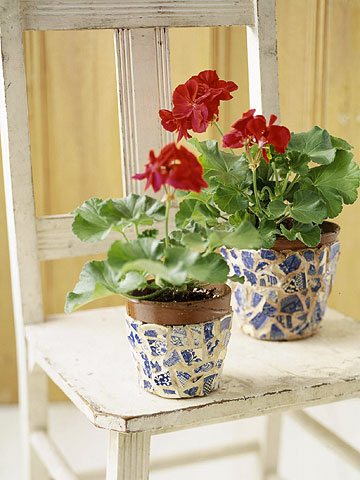
Minimum 45°F Required for Garage Storage Geraniums need minimum 45°F (7°C) to survive winter dormancy. If your Ohio garage drops to -10°F, its unsuitable unless heated. Water sparingly—just enough to keep soil barely dam
Copyright © www.100flowers.win Botanic Garden All Rights Reserved