

Dividing First-Year Black-Eyed Susans Successfully
When and How to Divide Young Rudbeckia While general advice suggests dividing perennials every three years, first-year black-eyed Susans that have outgrown their space can be safely divided if they have sufficient root m

Fertilizing Dwarf Burning Bush and Companion Shrubs
Seasonal Feeding Schedule for Euonymus alatus Compacta Newly planted dwarf burning bushes benefit from a strategic feeding regimen. Apply well-composted manure as a side dressing at planting, again in spring after the la
Anthurium Pruning Guide: Understanding the Crown
Proper Anthurium Pruning Techniques When an anthurium becomes leggy, proper pruning can rejuvenate the plant. The crown refers to the thickened, tannish stem area just below or at soil level where roots emerge. However,
Overwintering Hibiscus in Containers: Kansas City Guide
Protecting Potted Hibiscus Through Winter For gardeners in Kansas City (Zone 6) wanting to preserve sentimental hibiscus plants through winter, several practical solutions exist—even with pets in the home. Indoor Protec
Identifying and Treating Scale on Chrysanthemums
Diagnosing Scale Insects on Chrysanthemum Stems Small, black raised bumps on chrysanthemum stems—especially when they appear irregularly and away from the soil line—often indicate a scale infestation. Unlike root sprouts
Understanding Soil Preferences for Asters and Astilbes
Soil pH Requirements for Asters and Astilbes When planning your garden, knowing the soil preferences of your plants is crucial for their success. Two popular perennials, asters and astilbes, have different soil pH requir
Winterizing Tropical vs. Hardy Hibiscus in Alabama
Alabama gardeners often confuse tropical (Hibiscus rosa-sinensis) and hardy (Hibiscus moscheutos) hibiscus. Their winter needs are completely different. Tropical Hibiscus (Glossy Leaves, Colors Include Yellow/Orange) No
Overwintering Potted Lavender in New England
English lavender (Lavandula angustifolia) is hardy to Zone 5, but container roots are far more vulnerable to freezing than in-ground plants. In New England, a few extra steps ensure survival. Best Overwintering Strategie
Planting and Growing Amaryllis Bulbs Indoors: Simplified Success
Amaryllis (Hippeastrum) are among the easiest bulbs to force indoors for winter bloom. Ignore complicated instructions—follow this streamlined method. Planting (October–January) Choose a pot 2–3 cm wider than the bulb.
Fall Pruning of Daisy Mums (Chrysanthemums) in Washington State
Daisy-type chrysanthemums benefit from hard pruning after bloom, even in November in Washington State (Zone 8). Cutting stems to 5 cm (2 in) above ground now will not delay next year’s flowering—in fact, it promotes stro
Planting Bougainvillea in Arizona: Timing, Spacing, and Frost Protection
Bougainvillea thrives in Arizona’s low deserts (Phoenix, Yuma, Parker) but is frost-sensitive. In higher elevations or cooler microclimates, extra care is needed. Planting Guidelines Best planting time: Spring (March–Ap
Winterizing Hardy 'Pie Plate' Hibiscus in Ohio
Hardy hibiscus (Hibiscus moscheutos), often called pie plate or dinner plate hibiscus for their huge flowers, are perennial in Ohio (Zone 5–6). They die back completely each winter and require simple but specific fall ca
Pruning Hibiscus: Tropical vs. Hardy Types
Pruning requirements differ dramatically between tropical hibiscus (Hibiscus rosa-sinensis) and hardy hibiscus (Hibiscus moscheutos). Identifying which you have is the first step. Hardy Hibiscus (Perennial, Dies to Groun
Transplanting Lilacs in Zone 8: Fall Timing and Powdery Mildew Prevention
Fall is the ideal time to transplant a 7-year-old lilac in USDA Zone 8. The soil is still warm enough for root establishment before winter, and cooler air reduces transplant shock. Key Steps for Success Timing: Transpla
Overwintering Tiger Lily Bulbs in New Mexico
Tiger lilies (Lilium lancifolium) are hardy perennials, but container-grown bulbs need special care in Rio Ranchos high-desert climate (USDA Zone 7a, ~5,100 ft). The bulbs you brought from New Jersey must experience a co
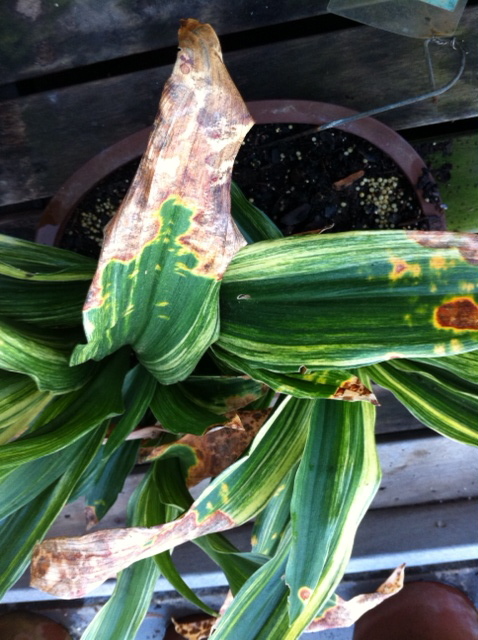
Diagnosing and Managing Leaf Spot Disease on Rohdea japonica
Rohdea japonica (sacred lily or Nippon lily) is prized for its evergreen, strap-like leaves and tolerance of deep shade. While generally pest- and disease-resistant, it can develop a persistent leaf-spot problem characte
Choosing Male and Female Holly Varieties for Berry Production in Kent
Gardeners in Kent, England often struggle to find holly plants clearly labeled as male or female, which is essential for berry production. Since hollies are dioecious—meaning male and female flowers grow on separate plan
Caring for Forced Lily Bulbs After Indoor Bloom: Saving the Bulb for Garden Planting
Why Forced Lilies Decline After Flowering Bulbs forced for holiday bloom expend all energy. Leaves yellow, plant dies back. Keeping the Bulb Alive Until Spring Water pot weekly until frost-free. Do not fertilize. Outdo
Preventing Poinsettia Leaf Drop: Light, Watering, and Drainage Essentials
Bright Light Requirement for Indoor Poinsettias Place near a sunny window. 66°F is fine, but low light causes leaf drop. Proper Watering Frequency and Pot Drainage Water weekly in a pot with drainage holes. Let soil sur
Weed Management in Established Groundcovers: Pre-Emergents and Spot Treatment
Using Preen for Annual Weed Prevention Preen (trifluralin) stops weed seeds from germinating. Apply in early spring and fall. Why Selective Post-Emergents Dont Exist No herbicide kills weeds but spares wintercreeper. Sp
Copyright © www.100flowers.win Botanic Garden All Rights Reserved