



Drying Calla Lilies and Ornamental Grasses: Silica Gel vs. Air Drying
Silica Gel Method for Color Retention Use craft-grade silica gel. Lay flowers flat in a box, cover completely, seal, and leave in dark for 3 days. Step-by-Step Box Drying Even layer of silica in bottom. Place calla lil

When to Prune Azaleas in Florida: Spring vs. Bloom-Time Trimming
Primary Pruning Window: Early Spring Prune before new growth begins (February–March in Central Florida). This shapes the plant without removing flower buds. Secondary Option: During Flowering If you miss early spring, p
Seeding Thyme 'Magic Carpet' for a Large Groundcover: Rates and Techniques
Calculating Seed Quantity for 250 Square Feet 500 seeds cover 10 sq ft. For 250 sq ft, you need ~12,500 seeds. Swallowtail Seeds sells 100 seeds for $1.99—order 125 packets. Site Preparation: Drainage and Weed Eliminati
Iron Toxicity in Plants: Balancing Micronutrients for Acid-Loving Species
Role of Iron in Chlorophyll and Photosynthesis Iron is essential for green color and energy capture. Deficiency causes interveinal chlorosis. Consequences of Excess Iron: Zinc and Copper Deficiency Too much iron displac
Pruning Native Magnolias: Timing for Flowers and Fruit Preservation
Post-Bloom Pruning Window Prune immediately after spring flowering. This preserves next years flower buds. Impact on Red Berry Production Berries form on old wood. Pruning reduces berry display but controls size. Growt
Slug Control on Asiatic Lilies: Safe Baits, Beer Traps, and Diatomaceous Earth
Why Slugs Target Lily Foliage Slugs climb stems at night to eat leaves and flowers. Damage appears as irregular holes and slime trails. Pet-Safe Iron Phosphate Baits Sluggo and Escar-Go are safe for pets, wildlife, and
Pruning Perennial Fuchsias on the Oregon Coast: Timing and Technique
Hardy fuchsias on the central Oregon coast (zone 8b–9a) benefit from a two-stage pruning regimen: Fall Pruning (Primary) Cut back after the first hard frost, typically November. Trim each stem to ¼ inch above a leaf jo
Overwintering Calla Lilies Indoors: Dormancy Requirements
Calla lilies (Zantedeschia spp.) require a dormant period to thrive long-term. While a cool basement is traditional, any dark, dry, cool (45–55°F / 7–13°C) location works—a spare closet, unheated garage, or crawl space.
Identifying and Safely Removing Poison Oak
Photos of two upright, 7-inch seedlings in shade were confirmed as poison oak (Toxicodendron diversilobum or related species). The classic leaves of three pattern and glossy leaflets are key identifiers. Safe Removal W
Identifying Burning Bush (Euonymus alatus) by Its Corky Wings
A gardener shared photos of an unknown shrub with distinctive corky ridges on its twigs. The bark-like wings are the hallmark of burning bush (Euonymus alatus), a deciduous shrub famous for its brilliant red fall foliage
Astilbe Dormancy: When to Cut Back and How to Prevent Summer Decline
Astilbes are shade-loving perennials prized for their feathery plumes in early summer. By late summer, its perfectly normal for foliage to brown and plants to enter dormancy—theyll return vigorously next spring. Seasona
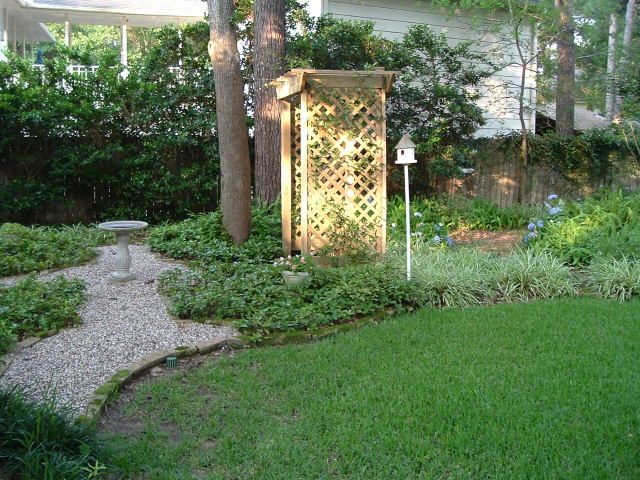
Flowering Plants for a Sunny, Geometric Garden in Zone 9a
After losing a shade tree, a once-shady bed in zone 9a now bakes in full sun, scorching the Ardisia japonica groundcover. The goal: add flowering plants 12–18 inches tall to shade the groundcover, hide its decline, and
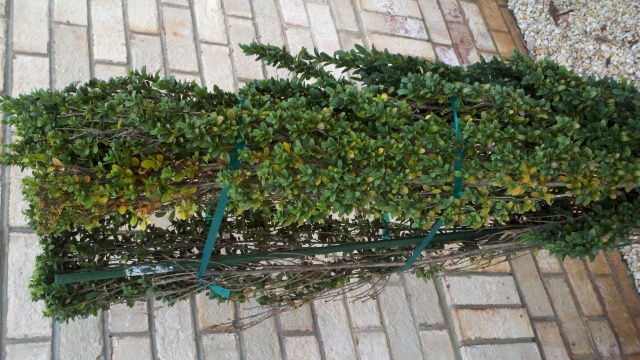
Diagnosing Pencil Holly Decline: Watering and Root Rot
Pencil holly (Ilex crenata Sky Pencil or similar cultivars) is a narrow, columnar evergreen that adds vertical accent to gardens. When foliage browns and drops, the culprit is almost always a moisture issue—either too m
Cross-Breeding Hibiscus: Compatibility and Getting Started
Hybridizing hibiscus is a rewarding but complex endeavor that requires understanding genetic compatibility. Not all hibiscus species can cross successfully—plants must generally belong to the same genus (Hibiscus) and ha
Growing Pansies and Violas: Expert Tips for Long-Lasting Blooms
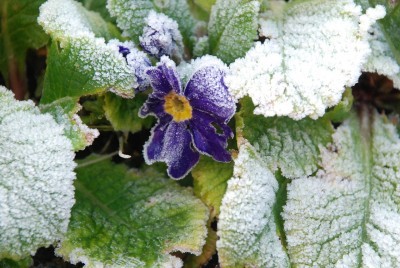
Pansies and violas are beloved cool-season bedding plants that brighten gardens from fall through spring. Though often grown as annuals or biennials, they are technically short-lived perennials. With proper care, you can
Diagnosing Cyclic Leaf Drop in Bougainvillea Hedges: Environmental and Pest Factors
Water Stress: Both Drought and Excess Leaf drop can result from too little or too much water. Check soil moisture at root depth. Sunlight Requirements for Dense Foliage Bougainvillea needs full sun (6+ hours). Shade cau
Growing Lilies from Seed: Hybrid Reality Check + Bulbil/Scale Alternatives
Stargazer Lily Seed Warning Stargazer = hybrid. Seedlings ≠ parent. Likely revert to inferior species. Expert (Tom) initially said “waste of time,” then softened—fun but unpredictable. If You Try Seed Cold stratify: Da
Overwintering Begonias: Refrigerator Storage vs. Indoor Houseplant Culture
Traditional Tuber Storage in Cool Darkness Per American Begonia Society: dry tubers, pack in peat/vermiculite, store at 45–50°F (crisper works). Check monthly for rot. Growing Begonias as Year-Round Houseplants Keep in
Top Perennials for Deep Shade and Moist Soil in Zones 7-8
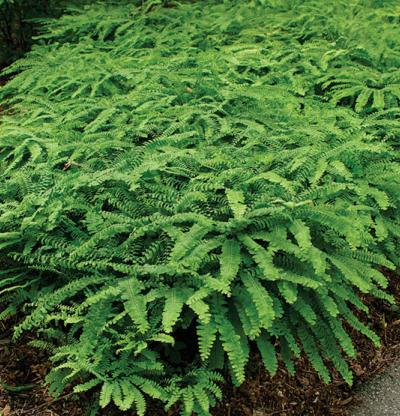
Groundcovers for Heavy Shade Creeping myrtle (Vinca minor), ivy, and ferns form reliable carpets. Floral Accents for Low Light Hostas, columbine, wood poppy, crested iris, hardy geranium, pulmonaria, astilbe. Woody Pla
Pelargonium Seed Pods Aborting? Likely Sterile Hybrids—Take Cuttings Instead
Why Pods Form Then Die F1 hybrid pelargoniums (zonals, variegated ‘Mrs. Pollock’, ‘Frank Headley’) are often sterile. Pods initiate but abort—no viable seed. Nothing you’re doing wrong. F1 Explained Filial 1 = first cro
Copyright © www.100flowers.win Botanic Garden All Rights Reserved