

Best Ground Covers for a Sunny Miami Side Yard
Creeping thyme struggles in Miamis heat and humidity. For a 3×15 ft side yard with light foot traffic, Dichondra micrantha is a better choice. Other Florida-friendly ground covers include sunshine mimosa, perennial peanu

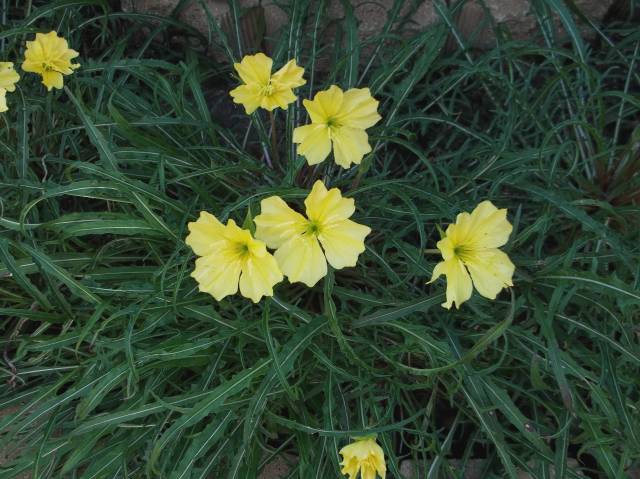
Identifying Hooker's Evening Primrose (Oenothera elata)
A night-blooming plant with yellow flowers is identified as Hookers Evening Primrose (Oenothera elata), a native wildflower common in the western U.S. and sometimes cultivated. The gardener notes foliage differences from
Is Cedar Mulch Safe for Lily Bulbs?
Cedar mulch is an excellent choice for lily beds. It resists decomposition, deters pests, and looks attractive. While some wood mulches can temporarily tie up soil nitrogen as they break down, cedar is less prone to this
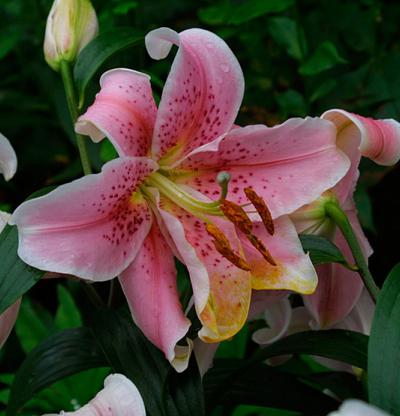
What to Do When Asiatic Lilies Finish Blooming
After Asiatic lilies finish flowering, deadhead the spent blooms to prevent seed pod formation. This redirects energy back to the bulb for next years growth and flowers. The seed pod starts green, matures to a brown, 1-i
Hardy Hibiscus Not Blooming? It May Need More Food
A transplanted hardy hibiscus in clay soil is growing lush foliage but no flowers. The gardener added compost at planting and provides full sun and regular water. In Zone 5, hardy hibiscus (like Lord Baltimore and Lady B
Reviving an Oakleaf Hydrangea and Feeding Limelight Hydrangeas
An 8-year-old oakleaf hydrangea that once bloomed enthusiastically now produces shorter, less vigorous racemes. The owner admits to pruning it back hard each spring for a clean look and never fertilizing. Theyre consider
Why Are My Hydrangea Blossoms Turning Brown and Rusty?
Hydrangeas are beloved for their lush, multi-colored blooms that typically last all summer. But when those vibrant flowers start drying out and developing a rusty appearance, its concerning—especially when the plants rec
Dividing Hardy Gladiolus Clumps in Zone 5: Fall Transplanting vs. Winter Storage
Why Concrete Heat Allows Overwintering Pool foundation radiates enough heat to keep soil above freezing at corm depth. Division Frequency and Technique Every 3–4 years, dig clumps. Separate corms. Discard old, soft, or
Growing Iris from Seed: Timing, Methods, and Bloom Expectations
Seed Maturity: Green vs. Dry Pods Green pods = seeds viable now. Dry pods = seeds dormant, may take years. Sowing Fresh Seeds Immediately Plant 1/4 inch deep in sterile seed-starting mix. Cool, shady spot. Keep moist.
Renovating an Overgrown Bougainvillea: Hard Pruning a Woody Vine into Shape
Understanding Bougainvilleas Vine Habit Its a woody vine, not a tree. Left unpruned, it becomes a thorny thicket. Hard Pruning to 2 Feet: Step-by-Step Cut all growth back to ~2 feet. Select a main leader and 2–3 side le
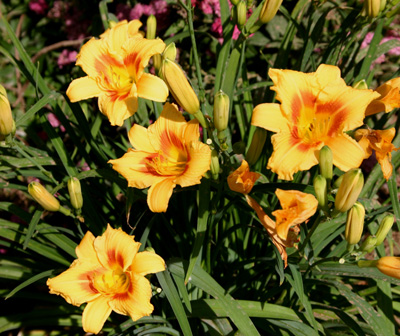
Stella de Oro Daylily Spread: Rhizomes vs. Runners and Imposter Plants
Normal Growth Habit of Stella de Oro Forms tight clumps via short rhizomes. Increases by a few fans per year. Divide every 3–4 years. Why True Runners Indicate a Different Plant Stella de Oro does not send out long runn
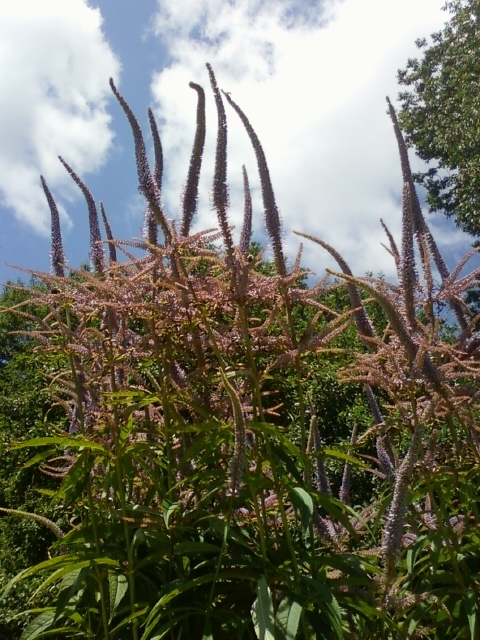
Mystery Tall Perennial in Maine: Gooseneck Loosestrife or Giant Veronica?
Candidate Species for 8-10 Foot Spikes Plants this tall with spiky blooms in coastal Maine are likely Lysimachia clethroides (Gooseneck Loosestrife) or Veronicastrum virginicum (Culvers Root). Lysimachia clethroides (Go
How Deadheading Asiatic Lilies Boosts Bulb Multiplication
Energy Allocation: Flowers vs. Bulb Growth Removing spent flowers before seed set redirects energy to the bulb, increasing bulblet formation. Bulblet Formation at Stem Base After 3–5 years, numerous small bulbs (bulblet
Why Shasta Daisies Fail in South Florida: Nitrogen, Watering, and Dormancy Issues
Climate Mismatch for Leucanthemum Shasta daisies need winter chill (zones 3–9). Zone 9b/10a may not provide enough dormancy. Excess Nitrogen from Lawn Fertilizers Runoff or overspray causes lush foliage, few flowers. St
Emergency Transplanting of Peonies After Disaster: Temporary Potting and Replanting
Immediate Steps: Cut Back and Dig Rhizomes Cut foliage to a few inches. Dig carefully, preserving as many roots as possible. Temporary Container Storage in Cool Conditions Pot in large containers with garden soil. Keep
Sun Scald on Hibiscus Leaves: Overhead Watering in Intense Florida Sun
Symptoms of Water-Induced Leaf Bleaching White patches that disappear overnight indicate sun scald—water droplets act as lenses, burning tissue. Correct Watering Technique for Tropical Shrubs Water at soil level, not ov
Saving and Germinating Calla Lily Seeds: From Pod to Plant
Harvesting and Storing Mature Seeds Let pods dry on plant. Store seeds in a clean, dry glass jar in a cool, dark place. Indoor Germination Under Artificial Light Sow 1/2 inch deep in potting mix. Use 40W shop lights 8 i
Walkable Groundcovers for Part Shade Under Pines in Coastal California
Challenges of Pine Shade and Foot Traffic Pine needles acidify soil, create dense shade, and shed debris. Few groundcovers tolerate all three. Native California Options Las Pilitas Nursery (laspilitas.com) lists native
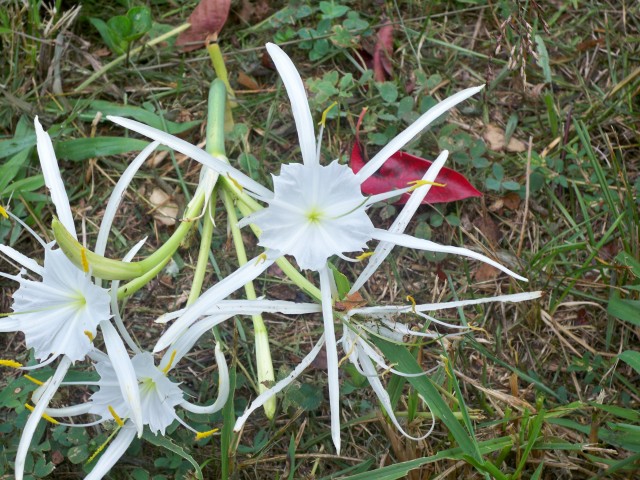
Peruvian Daffodil (Hymenocallis festalis): Exotic Bulb for Warm Climates
Identification: Spidery White Flowers Fragrant, white, spider-like blooms with long, narrow petals and a central cup. Foliage is strap-like. Hardiness and Overwintering Zone 8+. In colder zones, lift bulbs in fall, stor
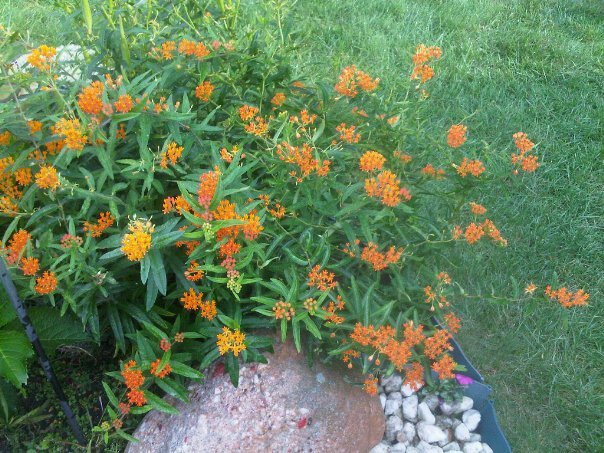
Identifying Butterfly Weed (Asclepias tuberosa) and Growing from Seed Pods
Visual Identification of Butterfly Weed Bright orange umbels on 1–2 foot stems. Narrow leaves. Distinctive spindle-shaped seed pods. Harvesting and Sowing Seeds Collect pods when they split. Sow seeds lightly covered, k
Copyright © www.100flowers.win Botanic Garden All Rights Reserved