
Bougainvillea in Alabama (Zone 7–8): Container Only
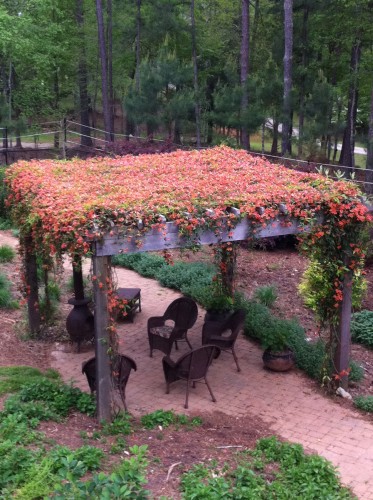
Bougainvillea is tropical (hardy to Zone 9b). In Alabama, grow in pot, move indoors before frost. Its a thorny vine, not a tree—train on trellis or let trail. Feed low-nitrogen fertilizer (rose food or composted manure)

Verbena Declining in Southwest Florida Container
Pink verbena yellowing/brittle after a month in mixed container—check for pests/disease. Other plants healthy? Could be nematodes. See Cornell nematode fact sheet: Cornell Nematodes.
Transplanting Irises in Early Spring (Wisconsin)
If soil isnt frozen, transplant irises now in Wisconsin. May reduce this years blooms due to root disturbance, but plant will recover. Wait if ground unworkable.
Sowing 'Origami' Columbine Seeds in Alabama (Zone 7–8)
Columbine seeds benefit from cold stratification but germinate well without it in Alabamas cool spring nights (40s–50s°F). Press seeds onto soil surface (need light), dont cover. Current temps are fine for direct sowing
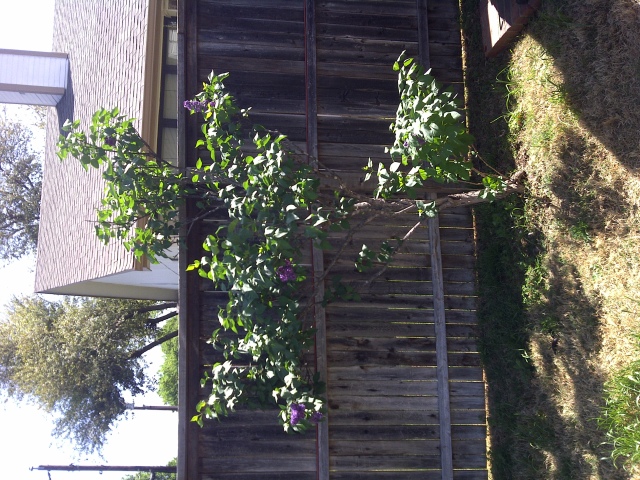
Pruning a Tree-Form Lilac: Sculpt, Don't Remove
For a gawky, uneven tree-form lilac with twisted trunk: prune after flowering for symmetry. Dont cut to ground—it blooms on old wood. Consult Allexperts Shrubs experts for specialized advice.
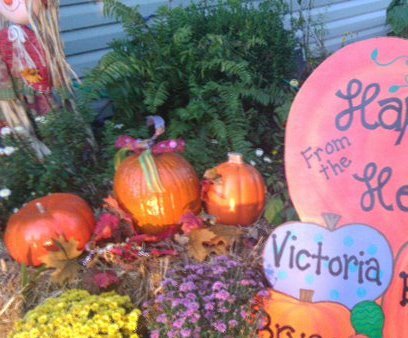
Sunburned Tropical Hibiscus, Ferns, and Mums: Will They Recover?
Tropical hibiscus and ferns are forgiving—water every 3 days, not daily. They often rebound. Mums: cut to ground after frost, mulch (chopped leaves/pine needles), pull back in spring. Fern ID needs size/spread info and l
'Little Business' vs. 'Ruby Stella' Daylilies: Different Cultivars
Little Business (Maxwell, 1971) and Ruby Stella (Stella dOro hybrid, patented) are distinct daylilies. Different breeding, registration, and characteristics.
Late June Wedding Flowers for Wisconsin: What to Grow
Tulips/daffodils wont bloom late June in Wisconsin. For yellow/red cut flowers: zinnias, sunflowers, roses (incl. climbers), deep red daylilies, black-eyed Susans, coreopsis, gerberas, peonies, lobelia, poppies, cockscom
Why Dianthus Colors Vary in Different Soils
Dianthus color shifts (hot pink to maroon, white with red zigzag) likely due to hybrid reversion via self-seeding or natural genetic variation. Dianthus self-sows prolifically; seedlings show ancestral traits. Soil pH/or
Pet-Safe Climbing Perennials for Iowa Chain-Link Fence
Many vines (honeysuckle, Virginia creeper, trumpet vine, clematis) are toxic to dogs/cats. Climbing roses are safe. Grape vines safe but fruit toxic. Non-toxic vine list: MetPet Non-Toxic Plants. Few non-toxic vines list
Using Roundup on Bird of Paradise Roots: Safe for Replanting
Roundup (glyphosate) only affects contacted plants, degrades quickly. You can apply to bird of paradise roots and safely replant the next day. Widely used by organic gardeners and conservation groups.
Transplanting Crowded Lilies: Wait Until Foliage Dies Back
For 30+ crowded lilies (8–10″ tall in April), let them bloom this season. In late summer/fall, when foliage yellows, dig bulbs/rhizomes, separate, replant 8–12″ apart. Crowding reduces blooms and increases disease risk.
Magazine Mystery Flower: Aeonium 'Zwartkop'
Purple flower in Womans Day gardening magazine (pages 46–47) is Aeonium Zwartkop, a succulent—not a zinnia or dahlia. Search images to confirm: Aeonium zwartkop.
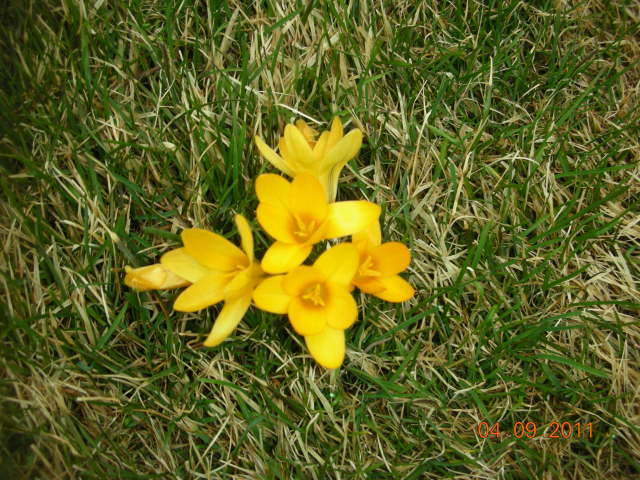
Crocus in the Lawn: Squirrels Did It
Crocuses appearing in grass far from beds? Squirrels bury bulbs in fall and forget them. Dig and replant anytime—bulbs carry their own food. Use garden fork to avoid spearing. To prevent future raids: cover bulb beds wit
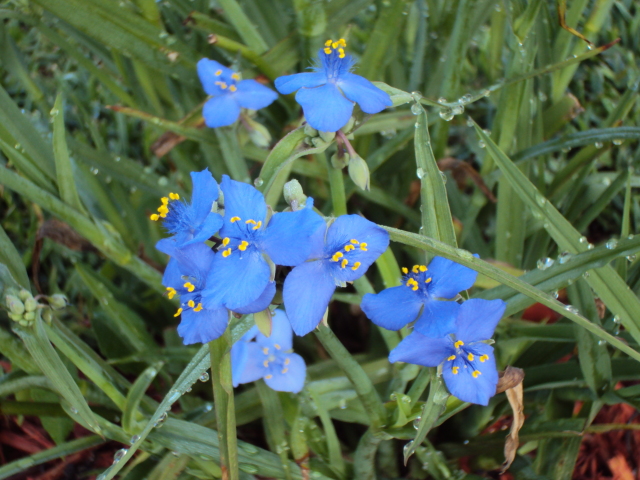
Roadside Wildflower: Spiderwort (Tradescantia ohiensis)
Purple day-blooming, night-closing flowers in St. Augustine, FL are spiderwort (Tradescantia ohiensis). Can be invasive in gardens. Colors: purple, blue, white, lavender. Missouri Botanical Garden profile: MBG Spiderwort
Spring Mulch Management: Lilies, Daylilies, Irises
Dont remove mulch from lilies if freezing nights persist—theyll push through. Daylilies: mulch 3″ deep but keep crown clear (mulch-free zone). Irises: never mulch rhizomes—they need sun. Winter mulch irises with pine nee
Uncovering Perennials in Spring: Mulch, Don't Smother
In ND (last frost ~mid-May), remove leaf bags now. Mulch lightly with same leaves so sprouts grow through. Keep containers out of north wind. Perennials tolerate cold snaps if acclimated.
Spring Compost Application: Side-Dress, Don't Smother
Apply compost after last frost. Side-dress (not on crowns) with well-composted manure. Daylilies rarely need feeding—excess nitrogen reduces blooms. Cannas are heavy feeders; mix compost at planting. Avoid burning plants
Vole Control and Removing Clematis
Voles avoid daffodils (toxic). Plant daffodils around window wells or use gritty barriers (oyster shells, Permatil, Voleblok). For clematis removal: apply Roundup when actively growing—kills green tissue, degrades quickl
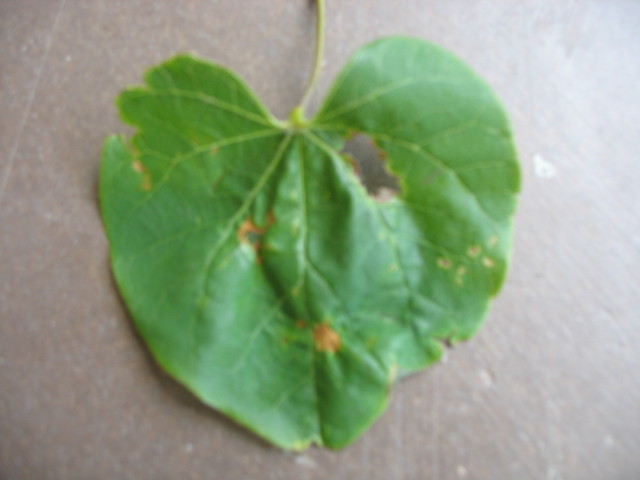
Weeping Redbud Leaf Spots: Consult a Tree Expert
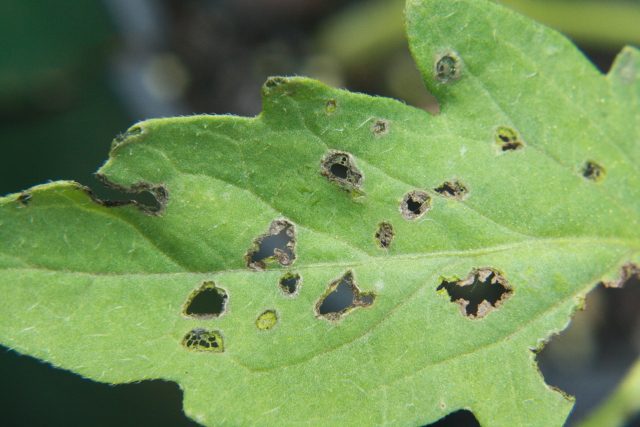
Weeping redbud with brown leaf spots, holes, and crispy edges in College Station, TX (hot, dry, full sun) needs a tree specialist. Jim Hyland (Allexperts Trees category) has US Forestry experience. One tree affected, one
Copyright © www.100flowers.win Botanic Garden All Rights Reserved