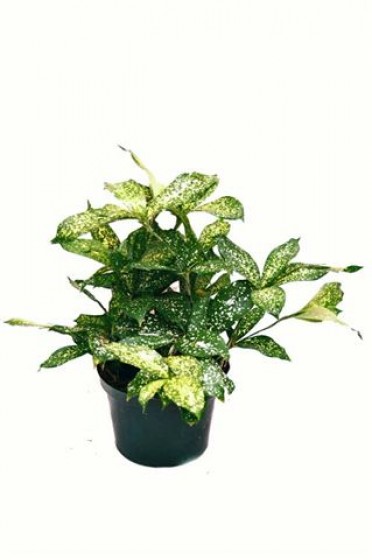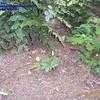
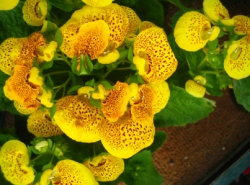
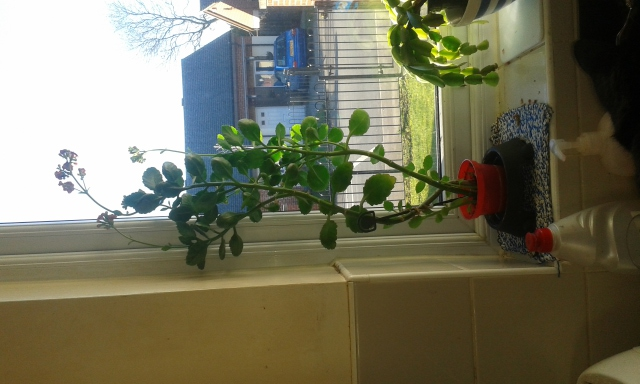

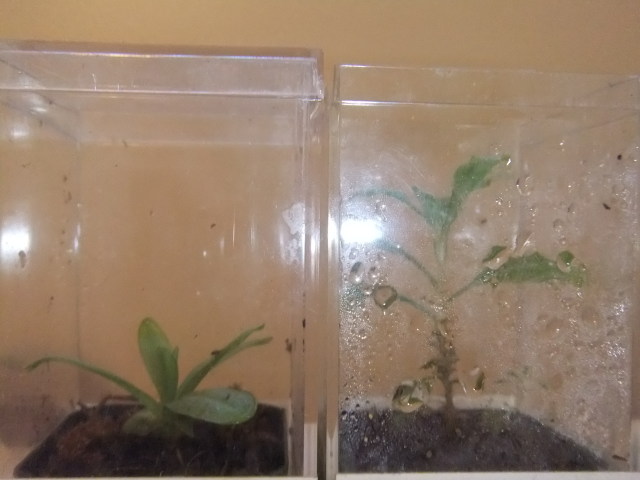
Lance-Leaf Sundew (Drosera adelae) and Butterwort from Death Cubes
Grower has D. adelae and butterwort (likely P. moranensis) in Lowes death cubes. Asked if cut back D. adelae to ground in Sept, and ID butterwort. Drosera adelae Cut to ground anytime – biennial tropical, regrows from


Venus Flytrap Dormancy: Complete Guide
Asked for full dormancy info in September. Signs of Dormancy Growth slows over weeks, older leaves brown/die. Timing varies by latitude/temps/photoperiod. Conditions Most hours 40–55°F (4–13°C); daytime spikes to 60s–
Growing Venus Flytraps from Seed: Simple Method
Asked how to grow VFT from seed. Method 1:1 unfertilized peat:perlite, moist. Seeds on surface, barely covered. Bright 40W shop lights or south window. 70–80°F. No humidity dome if ambient ~50%. Germination: 2–6+ weeks
Growing Sundews from Seed: Species-Specific Methods
Grower wants to grow D. capensis, D. capillaris, D. filiformis var. tracyi, D. intermedia from seed. Method 1: No Stratification (Tropical/Subtropical) D. capensis, D. capillaris: sow on moist 1:1 peat/perlite, barely c
Nepenthes hamata Small Leaves, No Pitchers: Light and Temperature
Growers N. hamata (2.5 months) under two 48 tubes 12 above, orchid bark/LFSM/perlite + top sphagnum. Acclimated to low humidity. Leaves shrinking, no pitchers. Diagnosis Light insufficient for size – small plants ok un
Peat-Only Media for Sarracenia and VFT: Not Recommended
Asked if 100% peat moss is okay. Why Avoid Pure Peat Stays soggy too long → fungal/bacterial rot. Especially dangerous in cool/dormant conditions. Sarracenia tolerates wetter longer, but still risks rot. Standard Mix
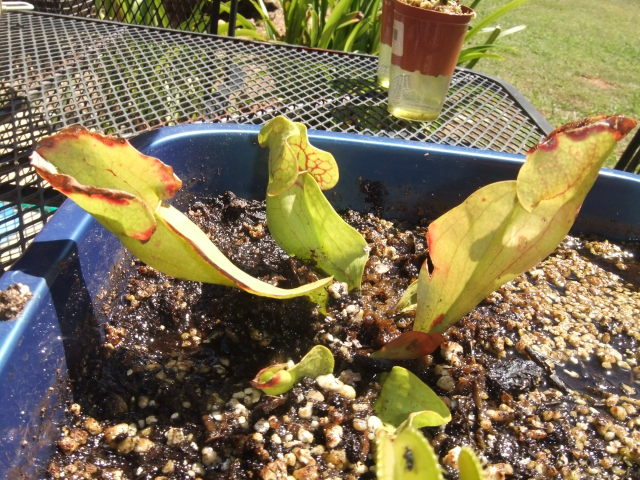
Identifying Sarracenia purpurea from Photo
North GA grower: plant in full sun. Photo shows S. purpurea (possibly hybrid) needing more light. Care Basics Full sun. Mineral-free water. 1:1 peat:perlite. Let grow.
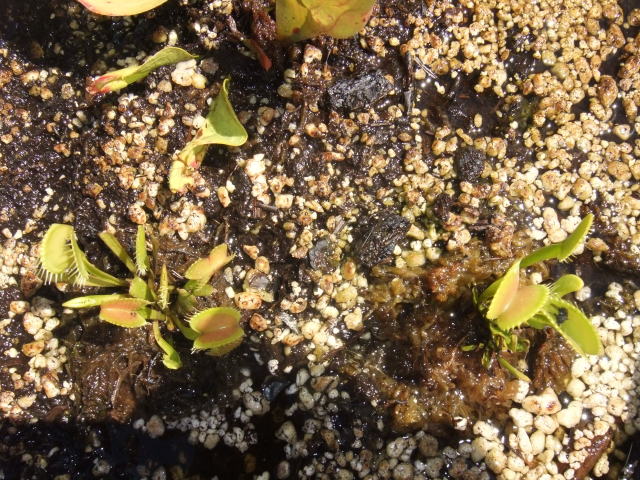
Venus Flytrap Health Assessment from Photo
Photo shows healthy-looking VFTs. Long-term health depends on culture. Key Culture Points Grow moist, not constantly wet – allow media to dry somewhat between waterings. Join forums (CPUK, FlytrapCare) for community fe
Kangen Water for Carnivorous Plants: High pH, Unsuitable
Asked if Kangen water (alkaline, mineralized) works for CP. Answer No. High pH, added minerals – opposite of CP needs (mineral-free, acidic).
Nepenthes stenophylla Leaf Yellowing: Too Much Sun, Acclimation Needed
NY grower: N. stenophylla 2 months, bare-root arrival, 4+ hrs direct sun east side, hot humid summer (95/80°F). Leaves yellowing, tips brown. Repotted 2:2:1 perlite:sphagnum:peat + Superthrive. Asked about terrarium vs w
Drosera spatulata No Dew: Light Is the Key
Growers 4 D. spatulata lost dew in 2 weeks in kitchen for fruit flies. Distilled water, pots in water trays. No mention of light. Diagnosis Light is the #1 factor for dew production. Sundews need 4+ hrs direct sun (sout
Venus Flytrap Flowering: Age and Dormancy
San Antonio grower: VFTs from two sources, full sun, healthy, no flowers/seeds in spring. Asked if age-related. Answer Likely age. Young plants may flower but blooms often removed to boost leaf growth. After first dorma
Systemic Insecticide for Large Collection: Aphids and Ladybugs
Grower with 400–450 plants needs systemic insecticide brand/ingredients. Asked about ladybugs/mantids for aphids. Resource New podcast on insecticides: cobraplant.com (page id=5). Biological Control Ladybugs/mantids in
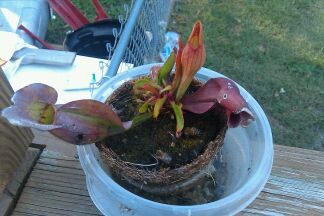
Sarracenia purpurea Bees and Winter Care
Ohio grower: S. purpurea ssp. venosa attracting bees to moss, not pitchers. Bottled water, unknown soil. Asked why, and winter indoor care. Bees Honeybees drinking water from peat moss – common in nurseries. S. purpurea
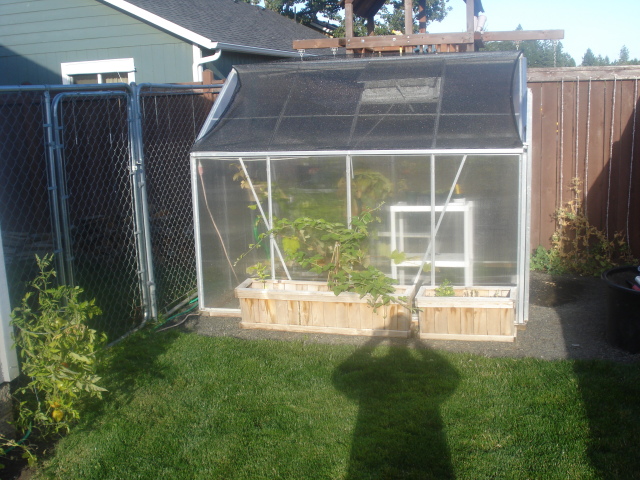
Greenhouse Winter Prep for Highland Nepenthes in Oregon
Western OR grower: 8x6 Harbor Freight greenhouse, 50% shade cloth, ceramic heater, caulked gaps. Asked shade cloth purpose, removal timing, winter tips. Shade Cloth Reduces both heat and direct light. Remove at fall equ
Sarracenia minor Hard Water Damage Recovery
Grower used hard water 2–3 months on S. minor, now in distilled water. After ~1 year, plants thin, small. Asked if full recovery possible. Action Repot into fresh media – removes residual minerals. Then patience. S. mi
Multiple Sundews: Window Light Assessment
Grower has east window (3–3.5 hrs), west window (2–3 hrs), north/south indirect only. Asked if enough for D. capensis and cut-back D. adelae. Answer Sounds adequate but plant response is the true test. If new leaves lac
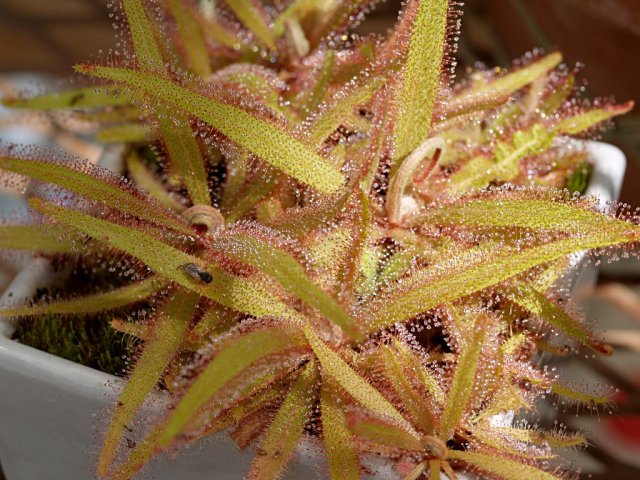
Lance-Leaf Sundew (Drosera adelae) Light Needs
Asked if 2–3 hrs direct sun is enough/too much for D. adelae. Guidance D. adelae prefers subdued light: bright indirect, early/late sun, not midday. In high humidity, tolerates more sun. Author not a sundew specialist.
Darlingtonia Water Circulation: Drip Irrigation vs. Pond Pump
Zone 7 NC grower: no drip tube access. Considered pond/pump system for Darlingtonia root cooling. Asked if worth it. Assessment Moving water benefits Darlingtonia. If building bog/pond anyway, adds value (Utricularia,
Nepenthes gymnamphora Care: Rare Highland Species
Growers N. gymnamphora slowly dying. No care sheet found; not in Savage Garden. Response Nursery hasnt grown this species much. Highland decline usually from basic issues: light, temp, humidity, soil. Best resource: LH
Copyright © www.100flowers.win Botanic Garden All Rights Reserved