

Nepenthes ramispina Slow to Pitcher: Patience and Cool Nights
Normal Adjustment Period Three weeks post-shipping is nothing for Nepenthes. N. ramispina is a slow grower; first pitchers can take 6 months. Check Temperatures T5 lights run warm. N. ramispina needs ~80°F days, 60s°F n

Identifying a Mystery Sarracenia from Lowe's: Likely 'Judith Hindle'
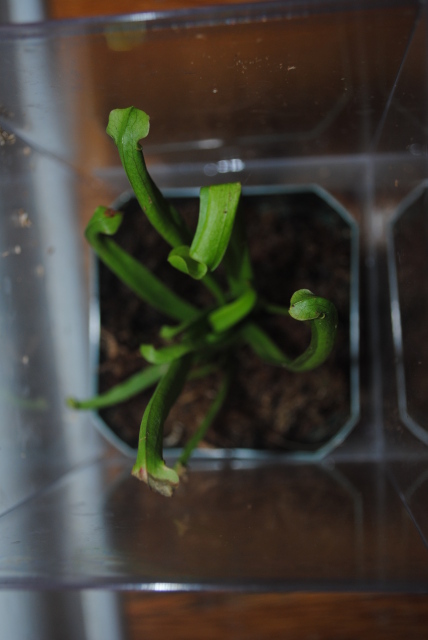
Identification Mass-marketed chain-store plant with large leaves in low light: likely S. Judith Hindle. Confirmation comes in spring with full sun growth. Immediate Care Current conditions fine. When spring growth star
Drosera regia (King Sundew) Leaf Tip Burn: Cool Nights and Media Matter
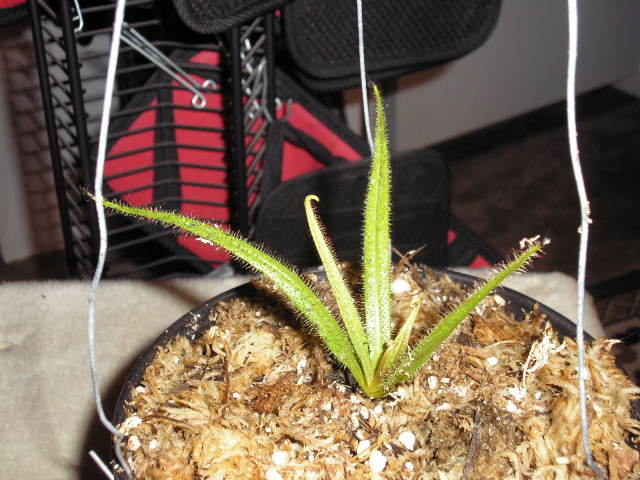
Key Dislikes Too wet—let tray dry before rewatering. Too warm—needs cool nights (50s°F). South African mountain origin. Media Recommendation Avoid long-fiber sphagnum (causes rot). Use equal parts peat, perlite, pumic
Sarracenia minor Stalled After Hail: Repotting Time
Diagnosis Hail damage to leaves shouldnt stall growth if rhizome is intact. The real issue: 3 years without repotting. Peat breaks down, and tapwater minerals accumulate. Solution Repot into fresh 50/50 sphagnum peat/p
Quikrete Play Sand for Carnivorous Plants: Safe or Not?
Verdict: Safe to Use Quikrete Premium Play Sand (99–99.9% quartz) is fine. Its likely processed in Portland with silica and basalt. Midwest sands may contain limestone—avoid those. Tips Washing sand never hurts. In Por
Sarracenia rubra (Sweet Pitcher) Winter Care in Zone 6/7
Dormancy Signs If temps have hit 20°F, the plant is dormant even if leaves persist. S. rubra complex often holds leaves deep into winter. Action Plan Move to garage now—below 20°F requires extra protection. Cut all lea
Pinguicula moranensis Winter Care: To Dry or Not to Dry?
Natural Behavior Many Mexican butterworts form winter rosettes, but P. moranensis often skips this if water and light remain consistent. Keep soil moist—it will likely keep growing. If Dormancy Occurs Stop watering for
Algae on Sarracenia Seedlings: Prevention and Remediation
Prevention Is Better Than Cure Sterilize peat with boiling water before sowing to kill algae spores. Use only distilled water. Avoid excessive humidity. If Algae Already Present Scrape off what you can. Aggressively
Slugs in Sarracenia Pitchers: Prevention and Protection
The Threat Slugs chew new spring growth. S. oreophila is especially vulnerable. Prevention Use slug bait around pots. Grow in water trays/pools with plants on islands to create a moat barrier. Good Growing! Jeff Dall
Deionized Water for Carnivorous Plants: Testing and Validation
Deionizers vs. Softeners A true deionizer removes minerals (calcium, magnesium, iron)—the main CP killers. Softeners replace them with sodium (salt), which is equally harmful. Verification Is Essential Test output with
Nepenthes ventricosa Not Pitchering: Light, Not Terrariums, Is Key
Cause: Short Winter Days Lack of pitchers in winter is normal due to reduced photoperiod. Many nursery plants are pitcherless this time of year despite 70–80% humidity. Solutions Extend daylight with artificial light t
Mexican Butterwort Dormancy: Watering, Timing, and Duration
Natural Dormancy Process Keep soil just moist; little to no tray water. Plants signal readiness: large leaves die back, succulent winter rosette forms in center. Once large leaves are gone, stop watering. Occasional lig
Pitcher Fluids: Do Sarracenia and Nepenthes Produce Their Own or Need Filling?
Nepenthes Mostly produce their own fluid, but open-pitcher species like N. ampullaria collect rainwater. All get some rainwater naturally. Sarracenia Trumpet types (e.g., S. flava): Produce their own fluid; excess rain
Tiny Black Bugs on Nepenthes: Scale Insects and Systemic Treatment
Identification Tiny black bugs with antennae in leaf-stem junctions are likely scale insects. They hitchhike on new plants or hide in soil. Recommended Treatment Spray all Nepenthes with Bayer 3-in-1 Insect & Disease Co
Venus Flytrap Winter Care in NYC: Balcony, Fridge, or Window?
The Core Challenge Venus flytraps survive leaf freezing but die if roots/bulb freeze solid. In nature, soil thermal mass protects roots. Small pots on a balcony lack this insulation. Better Dormancy Temperatures Flytrap
Nepenthes Spider Mite Infestation: Identification and Treatment Options
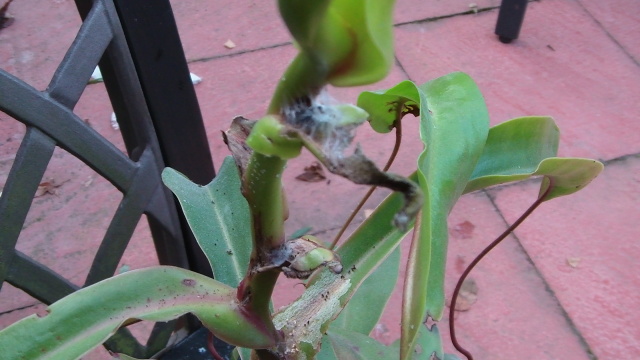
Symptoms Tiny black/yellow dots on leaves, cobweb-like substance at leaf junctions, brown patches, and small flimsy new growth indicate spider mites. Treatment Options (UK Context) Biological Control (Preferred) Predato
Repotting Nepenthes truncata: Handling Long Stems and Old Soil
Repotting Guidelines Remove some old soil, but not all—complete removal causes shock. Use the largest pot possible (8–10 for medium plants); taller pots keep roots drier. Bury the long brown stem deeper if desired—its h
Birds Eating Venus Flytraps: Protection Strategies
The Problem Birds (and sometimes squirrels) target the largest traps, either eating them or digging for insects in the moist medium. Solutions Physical barriers: wire cages, greenhouse culture, or moving plants indoors
Nepenthes ventricosa Yellowing Leaves: Natural Aging or Issue?
Likely Normal Aging Nepenthes are vines; older leaves naturally yellow and die as the growing tip elongates. If only a few lower leaves are affected, its probably nothing to worry about. When to Investigate Send a photo
Protecting Sarracenia During Extreme Winter Cold: A UK Grower's Guide
When to Cover Plants Cover if temperatures drop below -4°C (25°F) for more than a night or two, especially with wind. Always cover if temps stay below freezing (arctic high-pressure systems). Never cover during wet, col
Copyright © www.100flowers.win Botanic Garden All Rights Reserved