

Nepenthes ventricosa 'K': Sunburn, Pests, or Just Unhappy?
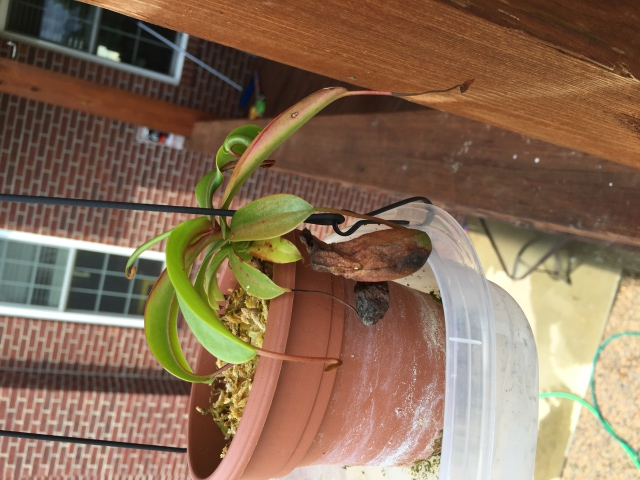
A growers N. ventricosa K has produced only poor leaves for a year, no pitchers. Moved from windowsill to partial sun outdoors. New leaves look better, but red patches on older leaves raise concern. Is it a lowland form?

Best Soil Mix for Cephalotus follicularis
A new Cephalotus owner asks if a mix of 1/3 peat, 1/3 sand, and 1/3 orchid bark is suitable after acclimation. Expert Recommendation Jeff Dallas suggests replacing orchid bark with pumice or fine lava rock. Cephalotus g
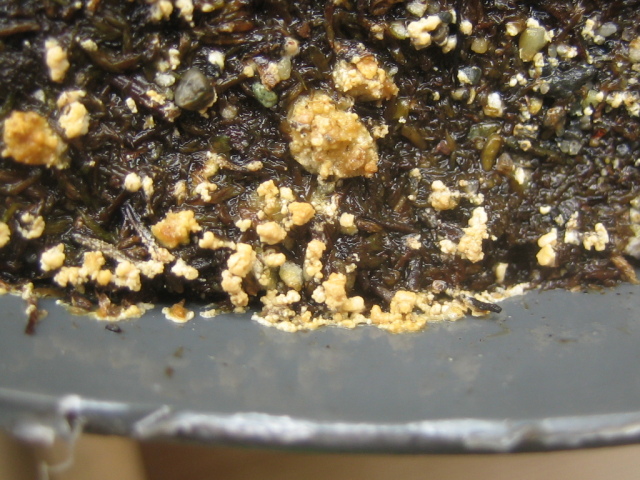
Mold or Mineral Deposits? Saving a Greenhouse Bog Garden
A grower built a large plywood planter (8×12×12) lined with plastic, filled with 2:1 peat:sand, and placed it in a greenhouse with 5 hours of direct sun. A tan, crusty cottage cheese substance appeared on the soil surfac
Watering Sarracenia in Trays: How Much Is Too Much?
Nicole, who maintains about 30 trays of Sarracenia alongside a full-time job, uses cat litter boxes with holes drilled an inch from the top. She fills them until water runs out, keeping the water level about half an inch
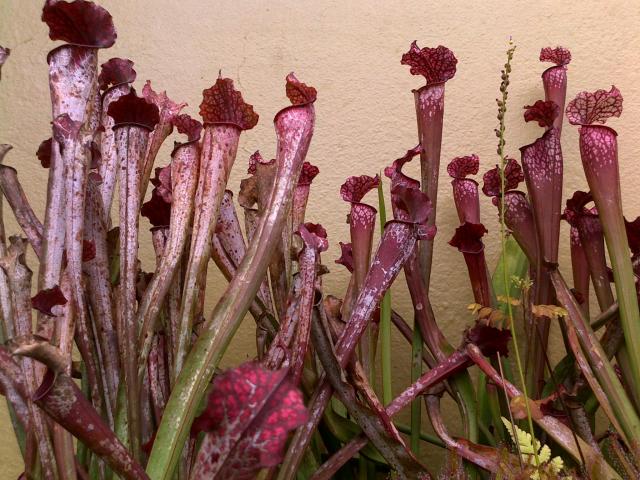
Weak, Narrow Sarracenia Pitchers? It's a Light Problem
A grower in Croatia reports two issues with outdoor Sarracenia: one S. leucophylla produces tall but extremely narrow pitchers, and a S. purpurea has lost its red coloration, turning green. Both receive at least 5 hours
Why Your Cape Sundew Isn't Catching Insects
Youve just received a Cape sundew (Drosera capensis) in the mail. After a few days, the dew returns, but when you place a fruit fly on a leaf, it escapes easily. Whats going on? Common Reasons for Escape Steve, an AllEx
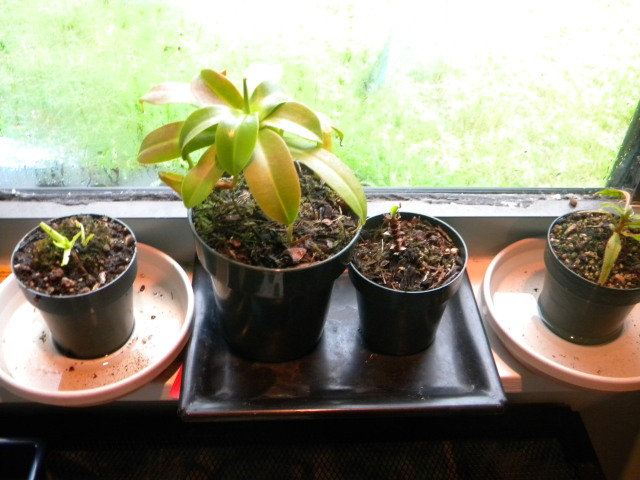
Windowsill vs. Artificial Light: Growing Carnivorous Plants Indoors
Many carnivorous plant growers face a common dilemma: is a sunny windowsill enough, or do you need artificial lighting? The answer depends on your specific conditions and the plants youre growing. Windowsill Success Sto
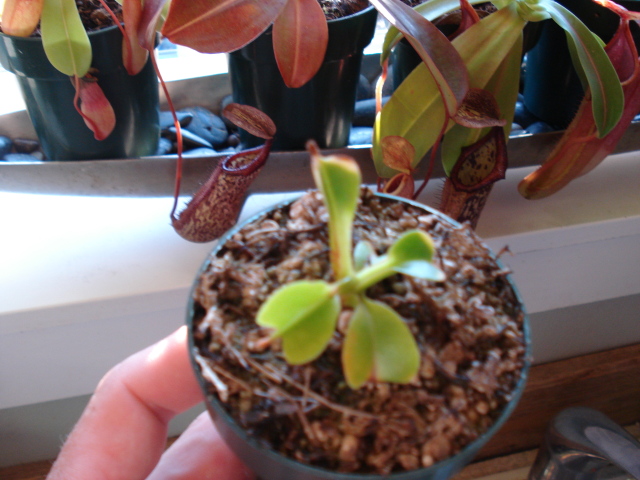
Nepenthes truncata 'Queen of Hearts × King of Spades' Seedling Care
A grower reserved a seedling for March shipping. Conditions: east window (3 hrs direct morning sun, bright rest of day), 48W T5 (4000 lumens), 70s°F day/60s°F night, 35% winter/45–50% summer RH. Advice Its still a N. tr
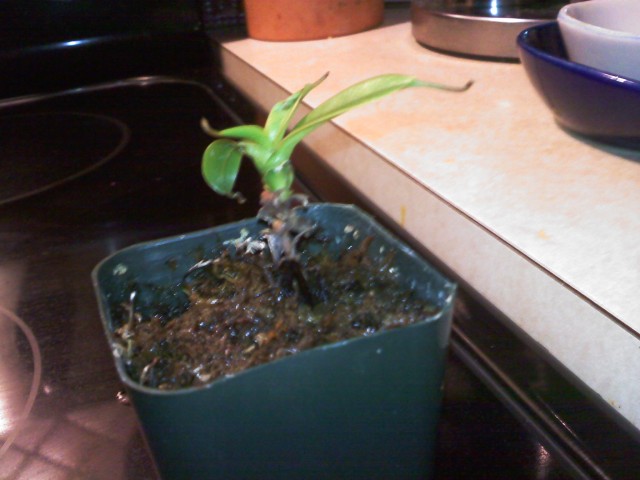
Reviving a Neglected Nepenthes: Repotting, Water Quality, and P. primuliflora Heat Tolerance
A growers year-old Nepenthes (likely ventricosa) from Lowes has black lower stems, grown in sphagnum moss with occasional tap water. Asks if Superthrive is needed at repotting and if perlite-only mix works. Repotting Ur
Whitney Farms Bark Mulch for Darlingtonia: Fertilizer Risk
A grower asks if Whitney Farms Douglas fir bark mulch is safe for Darlingtonia in a bog garden, noting their perlite once contained fertilizer that killed flytraps. Answer Unknown. Contact Whitney Farms directly with you
Heat Wave Care for Highland Nepenthes and Heliamphora in Terrariums
A New York grower faces 103°F days, 70°F nights. Concerned about immature N. hamata and Heliamphora heterodoxa × ionasii in terrariums under 4×100W CFLs, live sphagnum. Recommendation Dont move them. Flood with cool wate
Collecting and Sowing Drosera spatulata Seeds
A growers D. spatulata has 4–5 flower stalks opening. Asks for a concise seed collection guide. Process Wait for flowers to open, close, and seed pods to dry/blacken (about a month). When scape blackens, clip and shake/
Why Nepenthes Leaves Shrink: Heat, Humidity, and Cocopeat Issues
An Asian growers Nepenthes (2 years) produce progressively smaller, pitcherless leaves. Media: cocopeat (1 year old). Conditions: 50% shade cloth, exceptionally hot/dry. Causes Cocopeat breaks down fast, may contain sal
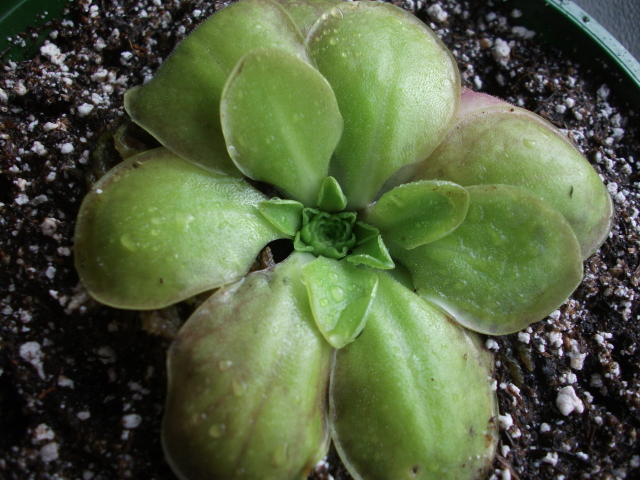
Propagating Pinguicula moranensis 'mexicana' via Leaf Pullings
A New Zealand grower (winter) has P. moranensis mexicana with both summer and winter leaves. Asks how to propagate. Dormancy Care Keep drier: no water tray, barely moisten soil. As photoperiod increases, increase water
Sarracenia 'Judith Hindle' Decline After Severe Freeze
A Eugene, OR growers Judith Hindle in an 8-inch pot (water 2 inches) had only 2 small shoots emerge in spring after a record freeze (single digits). Pot was not protected. Cause Severe freeze likely killed large rhizome
Anti-Fungal Powder for Winter Storage of Temperate Carnivorous Plants
A Zone 4 grower asks what anti-fungal powder to use when preparing potted temperate carnivorous plants for winter storage. Recommendation Look for dusting sulfur (wettable sulfur powder). Ensure its pure sulfur, no lime.
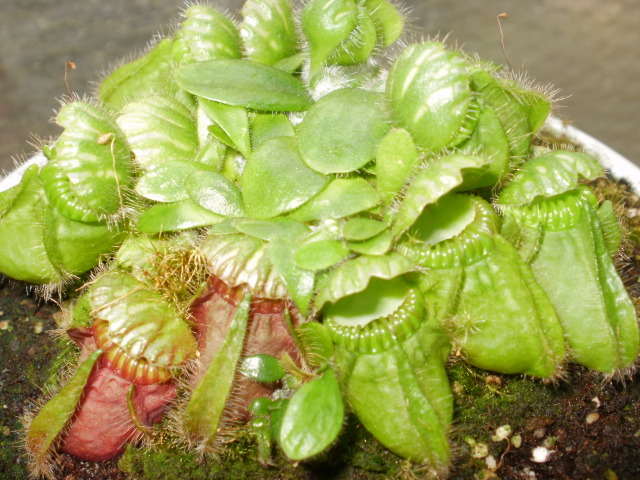
Cephalotus Pitcher Color Changes and Terrarium Concerns
A growers Cephalotus (repotted 1 month ago) shows older red pitchers fading, one yellow pitcher, one yellow non-carnivorous leaf. Grown in terrarium: 80% day/90–100% night humidity, lowland temps. Media: 1:1 peat/perlit
DIY Sarracenia Soil Mix: Peat, Sand, Perlite, and Vermiculite Options
A grower asks for proportions to mix their own Sarracenia soil and if vermiculite can replace perlite. Standard Mix By volume: 50% sphagnum peat moss (fluffed), 30% silica sand, 20% perlite. Silica sand = quartz grains (
Managing Excessive Sphagnum Moss in Outdoor Sarracenia Bogs
A growers outdoor bogs have 4-inch deep sphagnum, burying Sarracenia bases so new pitchers must grow 4 inches to reach light. Advice Common in humid climates. Pull back, push down, or trim with scissors. Large plants han
Red Spot on Nepenthes villosa Stem: Cosmetic, Not Pathological
A growers N. villosa (from Sarracenia Northwest open house) has a dark red, slightly scraped spot on the stem. Plant otherwise perfect. Assessment Likely minor physical damage. No treatment needed unless pests appear. It
Copyright © www.100flowers.win Botanic Garden All Rights Reserved