
Growing Pinguicula primuliflora as a Tropical: Pot Size and Dormancy
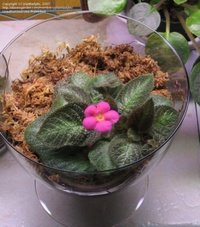
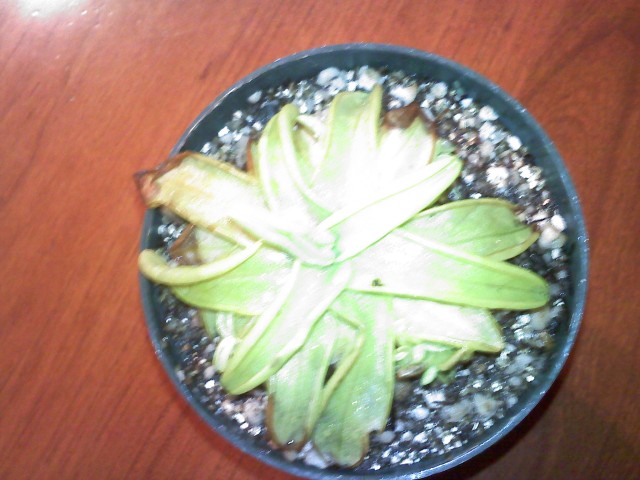
A grower asks if P. primuliflora can be grown as a tropical (no dormancy) and whether to repot a healthy plant. Tropical Culture P. primuliflora tolerates minimal dormancy (e.g., windowsill seasonal cues) but fails unde


Growing Sarracenia and Flytraps in Perth's Mild Winters
A grower in Perth, Western Australia (winter max 18°C/64°F, min 9°C/48°F) asks if Sarracenia and flytraps can grow with such mild dormancy temperatures. Answer Perths climate is similar to central California, where many
Venus Flytrap Repotted in Lime-Containing Soil: Will It Recover?
A grower accidentally used a soil mix with lime for 2.5 days, then repotted back into correct peat/perlite. Plants are in full sun, standing distilled water, with top watering in 100°F+ heat. Outlook Such a short exposur
Growing Highland Nepenthes 'Kohala' in Hot, Dry Desert Conditions
A grower in a high desert (days 95–100°F, nights 60–65°F, humidity 10–30%) asks if a highland hybrid N. Kohala can survive outdoors. Assessment Many Nepenthes adapt to low humidity if acclimated slowly. However, most tol
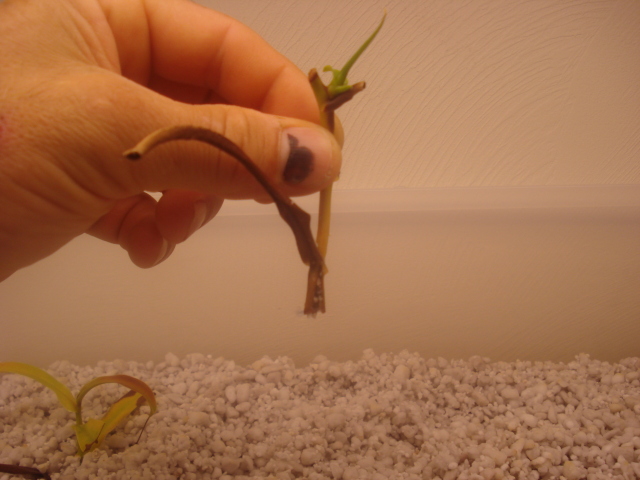
Rooting Nepenthes Stem Cuttings: Timing and Transplanting
A grower has stem cuttings in perlite under lights for 7 weeks, acclimating for 2 weeks. Roots are not yet an inch long; a shoot is emerging at the top. Guidance Wait for roots ~1 inch long before potting. Harden off gr
Mosquito Dunks Causing High TDS and Trap Deformities in Flytraps
A grower used whole mosquito dunk rings in small water trays. Larvae died, but new traps turned black before fully forming. TDS jumped to upper 100s ppm. Water is rain/distilled (<10 ppm). Cause and Fix A whole ring trea
Winter Care for Windowsill Nepenthes in Scotland
A grower in Scotland moved Nepenthes (alata, ventricosa, rafflesiana, ventrata) from an indoor greenhouse to a south-facing windowsill. They thrive in summer but asks about winter: will reduced sunlight kill them? Should
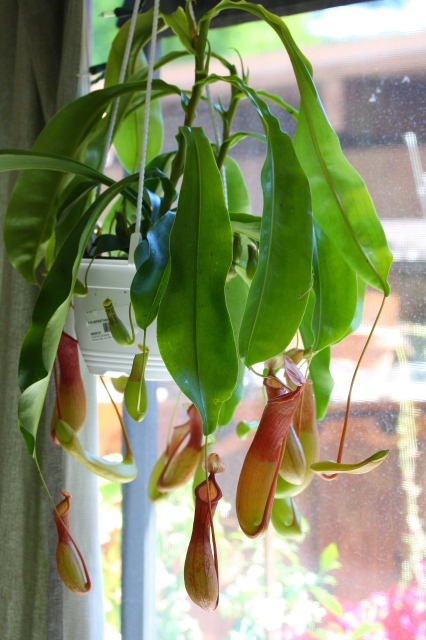
Identifying a Mystery Nepenthes: deRoose's Alata
A grower asks if their plant is N. alata, N. ventrata, or something else. Identification Its a form of N. ventrata known as deRooses alata: N. alata × (N. alata × N. ventricosa). A vigorous hybrid, excellent as a large
Indoor Greenhouse Setup for Nepenthes and Cephalotus
A grower with a windowsill suitable for sundews and some Nepenthes wants to know if a tank terrarium can provide enough humidity for highland Nepenthes and Cephalotus. Home humidity is 40–50%, temps 65–90°F. Recommendati
Why Sarracenia rubra 'Canebrake' Produces Grass-Like Phyllodia
A growers Sarracenia rubra Canebrake has blade-like leaves with tiny hoods instead of normal pitchers. Cause: Insufficient Light Early-season pitchers are often thin, but if all leaves look like this, the plant isnt gett
Using Bonide Systemic Granules for Fungus Gnat Larvae in Nepenthes and Cephalotus
A grower applied Bonide Systemic Houseplant Insect Control (imidacloprid granules) to Nepenthes sanguinea, Cephalotus, and other plants after seeing white larvae with black tips in the soil. Product Safety Imidacloprid (
Nepenthes Sunburn Indoors? Identifying and Managing Leaf Reddening
A grower moved a large, shade-grown Nepenthes to a bright north-facing window (southern hemisphere). Some middle leaves turned red/brown; new growth looks normal. Diagnosis Sudden exposure to intense light can cause burn
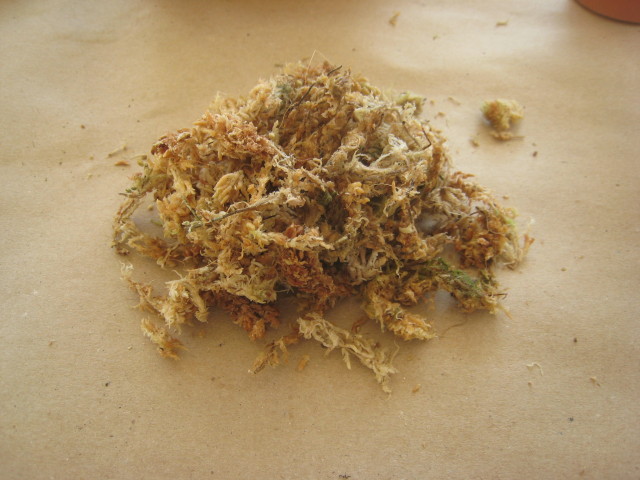
Identifying Peat Moss vs. Long-Fiber Sphagnum for Sarracenia
A grower found moss from an orchid pot and asks if its peat moss. Its actually long-fiber sphagnum moss – the precursor to peat. Peat forms from partially decomposed sphagnum in bogs. Can You Use It? Yes, long-fiber sph
Can Carnivorous Plants Eat Large Insects Like Dragonflies?
A question about whether any mature carnivorous plants regularly capture damsel flies and dragonflies. Answer Many Nepenthes species can capture small vertebrates – amphibians, reptiles, even rodents. Capture of small ve
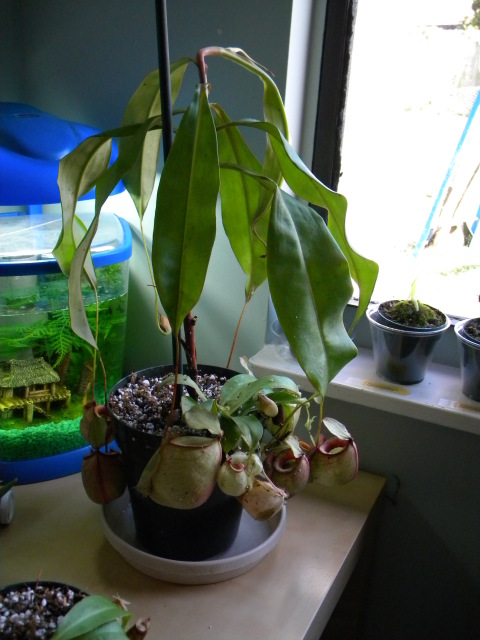
Growing Nepenthes 'Viking × ampullaria' in a Windowsill
A grower purchased a Nepenthes Viking × ampullaria, repotted in Sarracenia Northwest mix with Superthrive, and asks if it will thrive in their windowsill conditions. Assessment The hybrid has lowlander ancestry, so it p
Sarracenia 'Judith Hindle' Digestion Timeline
A grower asks when a Sarracenia Judith Hindle will digest a captured insect, noting no visible change after two days. Digestion Is Slow and Incomplete Sarracenia digestion is a gradual, ongoing process. Like animals, not
Flytrap Exhaustion After Skipping Dormancy: Can It Survive Until Winter?
A Zone 6 grower rescued a flytrap in November, grew it under intense fluorescent lights through winter (skipping dormancy), and moved it to full sun in spring. Now, months before natural dormancy, the plant shows exhaust
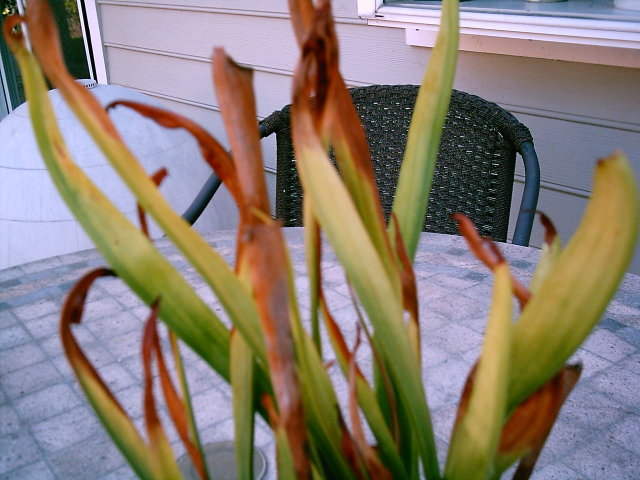
Saving a Sarracenia alata from Root Rot
A Sarracenia alata from Sarracenia Northwest suffered root rot after water tray fluctuations (drying out, then overfilling). Other plants in the same tray are fine. Leaves are browning, new pitchers affected. Emergency
Well Water for Carnivorous Plants: Testing and Filtration Options
A growers husband claims their well water contains only silica and is safe for carnivorous plants. The grower sees bathroom deposits and is skeptical. Silica vs. Hard Water Minerals Silica (silicon dioxide) doesnt dissol
Aluminum Containers for Carnivorous Plants: Safe or Not?
A grower asks if an old aluminum roasting pan with a slotted bottom and drain pan is suitable for Sarracenia and flytraps, using 50/50 peat/perlite and RO water. Recommendation While aluminum probably isnt directly toxic
Copyright © www.100flowers.win Botanic Garden All Rights Reserved