






Feeding Drosera capensis Freeze-Dried Bloodworms: Safe or Not?
A grower heard freeze-dried bloodworms might burn sundew leaves. Experience-Based Answer Freeze-dried bloodworms are safe and effective. Used at the nursery and recommended in Grow Carnivorous Plants Volume 2 with no ob

Safe Insecticides for Carnivorous Plants: What to Avoid
A grower asked about neem/pyrethrin/piperonyl butoxide sprays and a similar product without neem. Safety Rule Insecticides are safe if free of minerals and fatty acids (soaps/detergents). Soap-based products damage carn
Seed-Grown vs. Tissue Culture Carnivorous Plants: Pros and Cons
General Observation Seed-grown plants tend to be healthier and more robust, but tissue culture (TC) has distinct advantages. Seed Propagation Genetic diversity – resilience, variation. No hormone-induced stunting. Slow
Nepenthes vs. Sarracenia: Key Differences Between Pitcher Plants
Five Genera of Pitcher Plants While both trap insects with modified leaves, they evolved independently. Nepenthes (Tropical Pitcher Plants) Native to Southeast Asian mountains. Vining growth with tendrils ending in pit
Bog Garden: Pots vs. Direct Planting for Mineral Management
A grower flushed mineral-rich spring water from potted Sarracenia/VFT in a bog, with success. Asked whether to keep pots or plant directly in peat/sand/rock mix. Verdict: Stay with Pots If plants are thriving and the sy
Winter Bog Care: Water Flow and Mulching Strategies
A Zone 6 grower with a spring-fed bog asked whether to run water through winter or let it dry, and whether to tarp then mulch or vice versa before fungicide treatment. Water Management Never let soil dry completely – D
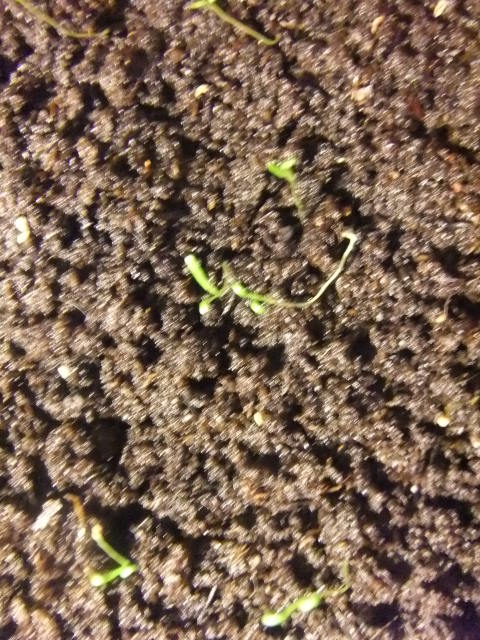
Seedling Sarracenia and Drosera from Dunecraft Kit: Health Check
A grower stratified Sarracenia and Drosera seeds from a 2010 Dunecraft kit (stored 6 weeks at 37°F), then sowed under a 27W CFL at 6–10 inches, 13–14 hour photoperiod, in a humidity dome. Sarracenia and VFT sprouted; Dro
Cephalotus 'Eden Black' Seed Stratification: To Chill or Not?
A grower won Cephalotus Eden Black seeds and found conflicting stratification advice. ICPS trials showed similar germination rates (9 vs 8 seeds) with and without 8-week cold stratification. Nursery Experience Unstrati
Pruning Dead Leaves on Drosophyllum: Necessary or Optional?
A grower asked whether to remove the skirt of dead leaves on mature Drosophyllum lusitanicum, or if they provide structural support. No Structural Role Dead leaves dont support the stem. They persist because Drosophyllu
Optimal Water Tray Depth for Venus Flytraps in Wet Winters
A Pacific Northwest grower lost flytraps over winter, suspecting excessive water depth. They asked if half-pot-height water level is safe in cool, wet climates. Root Cause: Fungus, Not Drowning Flytraps dont drown from
Venus Flytrap Turning Black? Common Beginner Mistakes
A 10-year-old grower in Chicago reported a trap turning black after feeding an ant, then a fly too large for the trap. They used tap water left out 24 hours. Why Traps Turn Black Normal aging – Traps die after a few ca
Reapplying Fungicide to Sundews and Butterworts: Timing and Safety
A grower treated Drosera aliciae with neem for fungus, saw improvement, and asked about reapplication, treating a neighboring Pinguicula moranensis preventatively, and timing relative to repotting. Neem vs. Sulfur Neem
Red Dots on Nepenthes Leaves: Rust Spots Explained
A New York grower noticed red dots on their N. reinwardtiana under compact fluorescents with a fan, and applied sulfur fungicide. What Are Rust Spots? Small, uniform red dots are typically rust spots – a benign fungal c
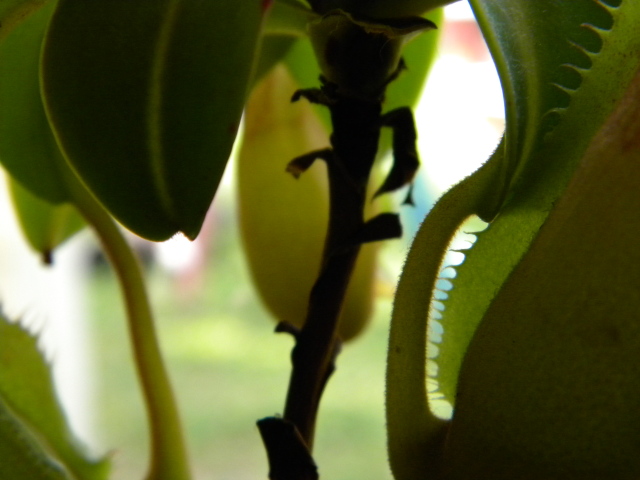
Supporting Leaning Nepenthes: Staking vs. Hanging
A grower with leaning Nepenthes sanguinea and N. × Gentle (likely) asked how to correct or support the plants. Why Nepenthes Lean As vines, Nepenthes naturally elongate and sprawl. In cultivation, they often outgrow the
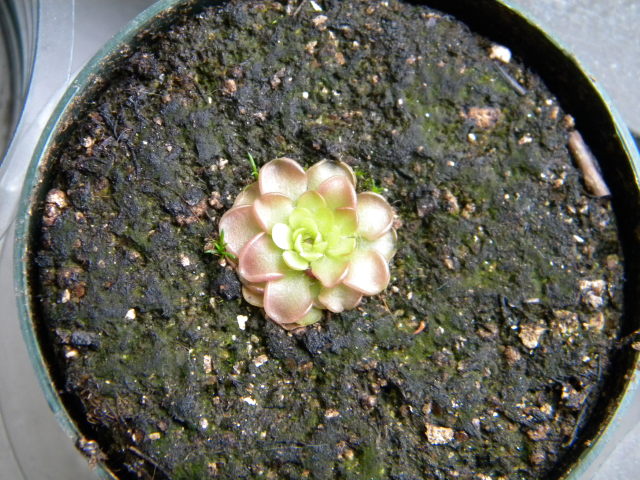
Watering Pinguicula 'Tehuacan': Avoiding Overwet Conditions
A grower asked about watering a newly acquired Pinguicula Tehuacan, noting the soil seemed muddier than other butterworts and top-watering briefly submerged the tiny plant. Why the Soil Seems Wetter Nurseries sometimes
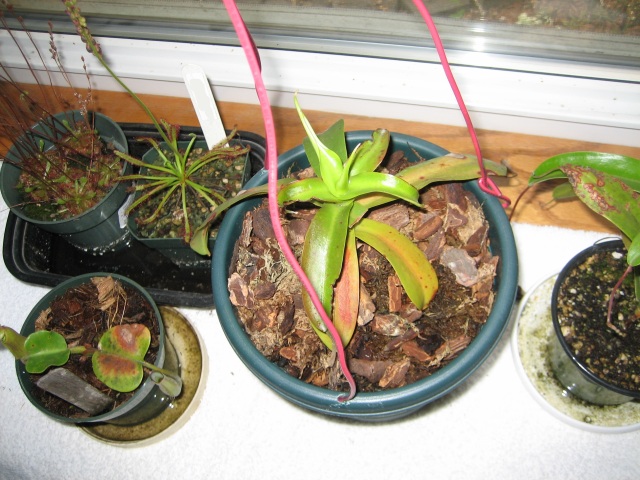
Nepenthes sanguinea: Small Leaves, No Tendrils – Diagnosis and Fixes
A grower reported their Nepenthes sanguinea producing progressively smaller leaves with burnt edges, eventually ceasing tendril formation entirely. The plant was grown in 1:1 long-fiber sphagnum and orchid bark, watered
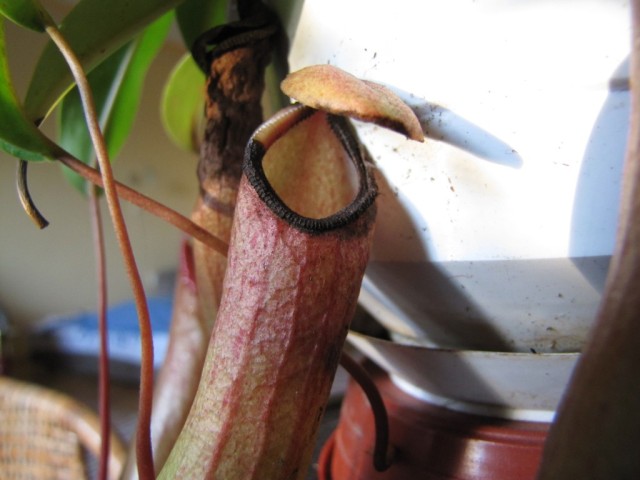
Black Mold on Nepenthes Peristome: Causes and Solutions
Many Nepenthes growers encounter black discoloration on the peristome and lid of their pitchers, often causing concern. A grower in Hungary noticed tiny black spots on their Nepenthes ventricosa that eventually covered t
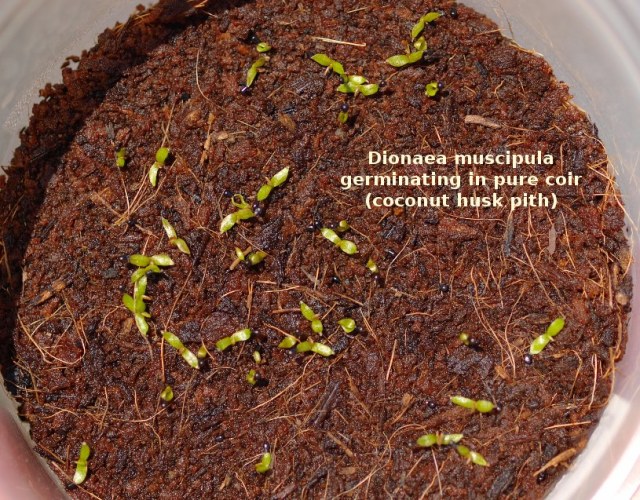
Growing Venus Flytraps from Seed in the Philippines: Tropical Climate Adaptations
Sowing Anytime—keep warm. No stratification needed. Refrigerate for storage. Dormancy Seedlings may skip first dormancy or enter at 6–8 months. For tropical dormancy methods, consult FlytrapCare/CPUK forums. Media: Coi
Dewless Sundews and Butterworts After Terrarium Removal: Patience Required
Key Factors Humidity matters less than light and temperature for dew. South window is good, but winter days shorten dramatically. Acclimation Timeline 2 weeks to 2 months for root recovery and adaptation. Provide strong
Sarracenia rubra ssp. gulfensis Sunburn: Acclimation Is Essential
Common Mistake Greenhouse/shade-grown plants suddenly exposed to full sun burn. Sarracenia need gradual acclimation. Damage Control Burn is permanent. Wait for new growth—it will be sun-adapted. Cut old pitchers when ne

Copyright © www.100flowers.win Botanic Garden All Rights Reserved