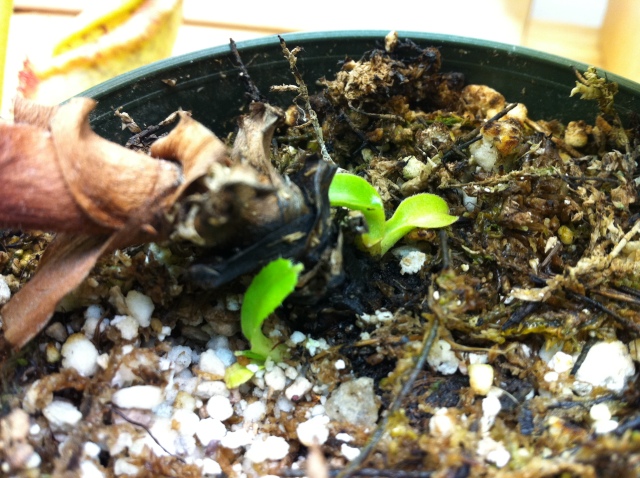
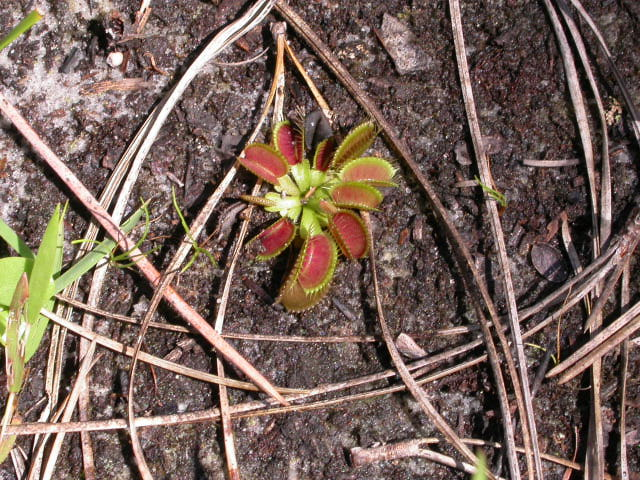
Best Soil for Sarracenia purpurea, leucophylla, rubra: Peat/Perlite/Sand, Rinse Peat Well
Sarracenia arent picky if the mix drains and lacks nutrients. Good options: peat/perlite, peat/sand, or peat/perlite/sand (1:1:1). Venus flytraps prefer slightly better drainage (more sand) or larger pots. Critical: Use


Nepenthes edwardsiana × burbidgeae: Fussy Highland Hybrid Care
This hybrid is far more demanding than N. sanguinea or Miranda. Key needs: Bright, cool conditions with night temperature drops. Elevated humidity (more than the other two). Minimal disturbance—dont move or mist irregu
Mosquito Control in Carnivorous Plant Trays: Use Mosquito Dunks
For Zika-era mosquito control in water trays, use Mosquito Dunks (Bti bacterial toxin). Theyre highly effective, harmless to plants, animals, and beneficial insects. Follow label reapplication schedule. Available on Amaz
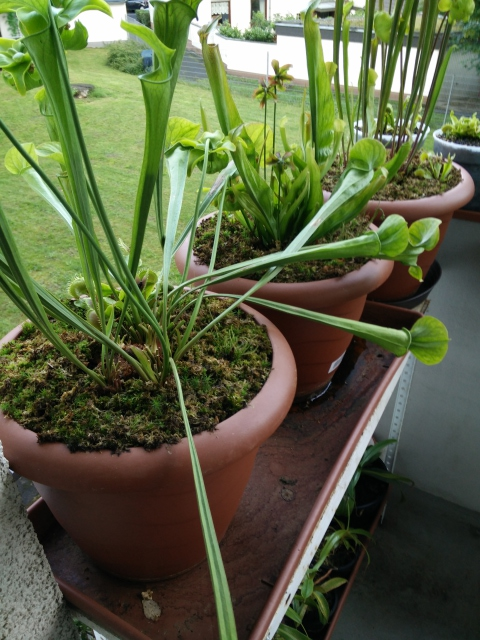
Why Sarracenia oreophila and alabamensis Pitchers Flop: Normal Late-Season Behavior
S. oreophila pitchers naturally flop in late summer as theyre replaced by phyllodia (flat, photosynthetic leaves). S. alabamensis produces floppy early pitchers, then shorter, sturdier ones later. Both are normal. If ma
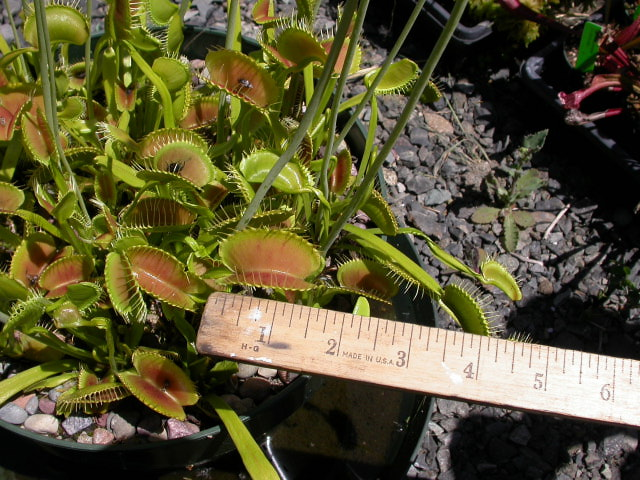
Venus Flytrap Beginner Care: Outdoor Full Sun, Tray Watering, Dormancy Required
A Portland, OR apartment dweller received a Venus flytrap. Jeff Dallass quick-start guide: Water: Shallow tray, ≤¼ pot depth. Portland tap water is fine (low minerals). Light: Full sun on deck. Expect some leaf burn du
Sarracenia Pitcher Die-Off: Mold, Light, and Water Quality Checks
A second case of Sarracenia flava pitcher die-off showed white mold on dead pitchers. Jeff Dallas advised clipping dead growth, then investigating: New growth at growth points? Light levels (full sun required). Chemica
Sarracenia flava Dying in Potting Soil: Nutrient Toxicity
A young Sarracenia flava in Tampa died back after three weeks. The dark, barky soil in the photo indicated standard potting soil—fatal to carnivorous plants due to fertilizer and minerals. Sarracenia decline slowly in su
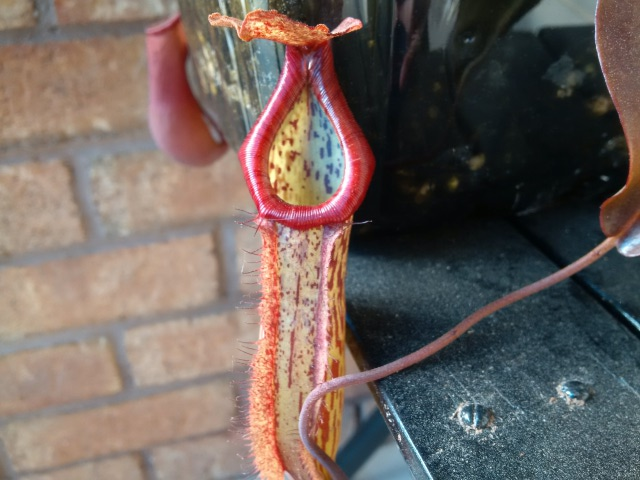
Identifying Nepenthes: 'Miranda' and deRoose's 'Alata'
A Toronto growers two large Nepenthes were identified as Nepenthes Miranda (a common, vigorous hybrid). A third plant with winged pitchers was Nepenthes deRooses Alata (ventricosa × alata) × alata, another vigorous, wide
Drosera regia Soil Mix: Coarse Mix Works, But Use Large Pots
The coarse soil mix (heavy in sand) is suitable for Drosera regia, but use the largest pot manageable—this species needs cool roots and excellent drainage. The mix must stay open and well-drained. Media changes reflect
Systemic Fungicides for Sarracenia: Limited Experience, Try Neem Oil
A grower battling fungal infections in Sarracenia asked about rotating systemic fungicides (Clearys 3336, Eagle 20EW). Jeff Dallas notes he rarely sees fungus on Sarracenia and has only used neem oil with some effect. He
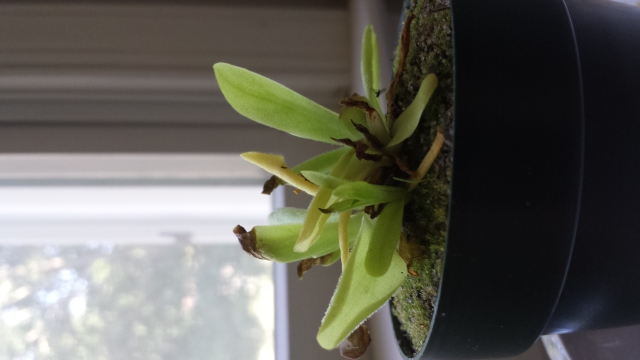
Pinguicula 'Moctezumae × Gigantea' Brown Leaf Tips: Likely Light Burn
A Pinguicula Moctezumae × Gigantea on a west windowsill showed brown tips on leaves nearest the window. Jeff Dallas suspects leaf burn from intense light refracted through glass. Pinguicula prefer indirect or partial sun
Increasing Humidity for Carnivorous Plants: Pebbles vs. Sphagnum
To raise local humidity in water trays, add pea gravel or small pebbles—they increase evaporation surface area. Long-fiber sphagnum works but quickly develops algae and mold in constant moisture, especially indoors. Pebb
Cooling a Small Greenhouse: Shade Cloth, Fan Direction, and Plant Placement
A new 6×8 ft Harbor Freight greenhouse hit 105°F. Jeff Dallass fixes: Fan direction: Point box fan into greenhouse to pull cool air in; vent through roof vents. Shade cloth: Immediately install 40–50% shade cloth (from
Overwintering Sarracenia in Cold Climates (Zone 5): Mulch, Water, and Leaf Removal
A Czech grower (Zone 5, -27°C) sought advice on overwintering Sarracenia in unheated pools. Jeff Dallass detailed protocol: Water Depth Keep water ≤¼ pot depth. Deep submersion causes rot (except S. psittacina). Mulchi
Fungicide for Roridula dentata: Bayer 3-in-1 (Tebuconazole)
A growers Roridula dentata seedlings showed grayish, dying leaves—possible botrytis. Jeff Dallas recommends Bayer 3-in-1 (active ingredient tebuconazole), which is relatively safe on sensitive carnivorous plants. Test on
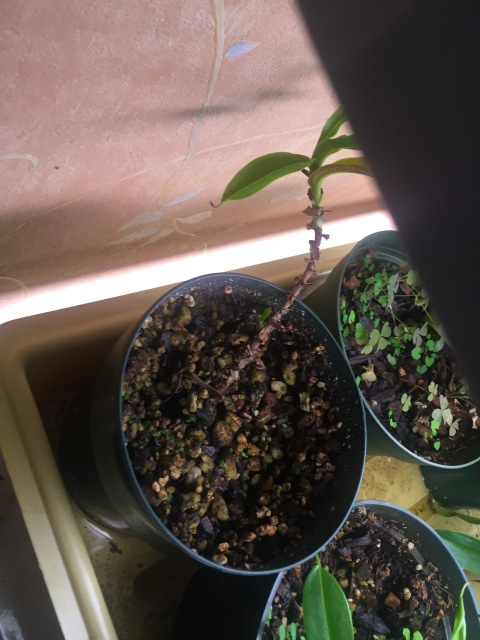
Fixing Nepenthes ventricosa × singalana Decline: Repot to Sphagnum Mix
A Nepenthes ventricosa × singalana declined in standard peat mix under CFLs with fertilizing. Jeff Dallas diagnosed early root rot from overly wet, fine peat. Solution: repot immediately into a loose, airy mix of New Zea
Sarracenia in Winter Rain: Submersion Tolerance
A Vancouver, WA grower asked if winter rains submerging potted Sarracenia in water trays would harm them. In natural bogs, water levels fluctuate, and plants tolerate temporary submersion. Key points: Dont let pots dry
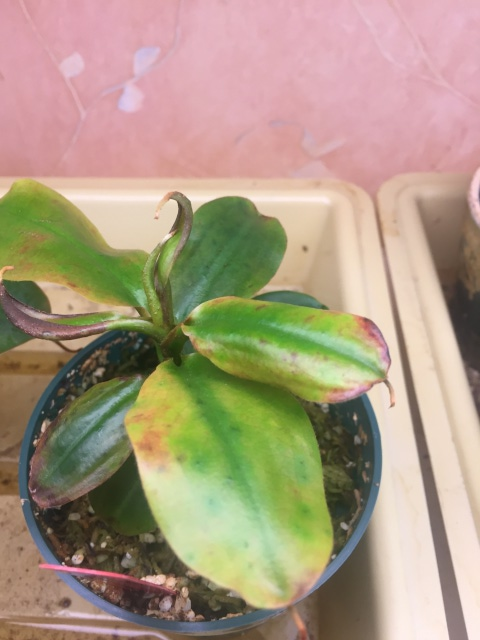
Nepenthes rajah × mira: Color Changes and Care Adjustments
A Nepenthes rajah × mira hybrid showed unusual leaf coloration after a location change. Both parent species are ultra-highland, requiring cool, consistent temperatures (65–75°F day, 55–65°F night) and high humidity. The
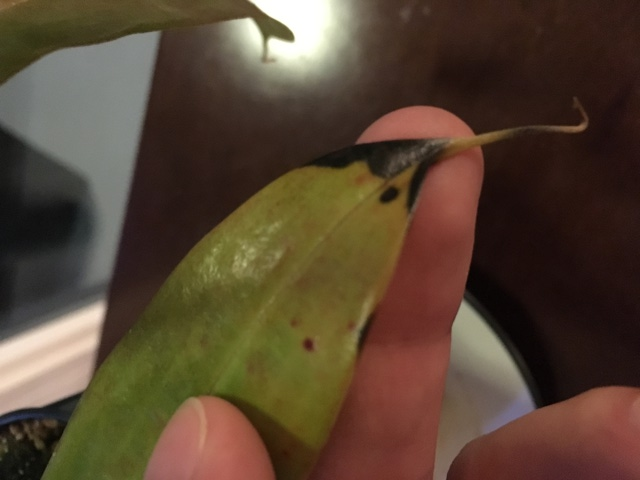
Nepenthes 'Red Leopard' Black Leaf Tips: Normal Aging or Problem?
A growers Nepenthes Red Leopard developed black tips on the lowest leaf after moving to a lower-light NE window. Jeff Dallas explains this is normal for older leaves on vining Nepenthes. As the plant climbs, lower leaves
Identifying B-52 Venus Flytraps: Counting Marginal Spines
Distinguishing the B-52 Venus flytrap cultivar from other large varieties (like King Henry or Megatrap) is challenging because appearance varies seasonally. However, a reliable method is counting marginal spines (teeth)
Copyright © www.100flowers.win Botanic Garden All Rights Reserved