
Winter Care for Temperate Carnivorous Plants in Eastern NC
Key Distinction Identify your sundew: if temperate (like flytrap/Sarracenia), it stays outside. If tropical, it needs warmth and light indoors. Outdoor Overwintering Venus flytraps are native to NC; Sarracenia range fur

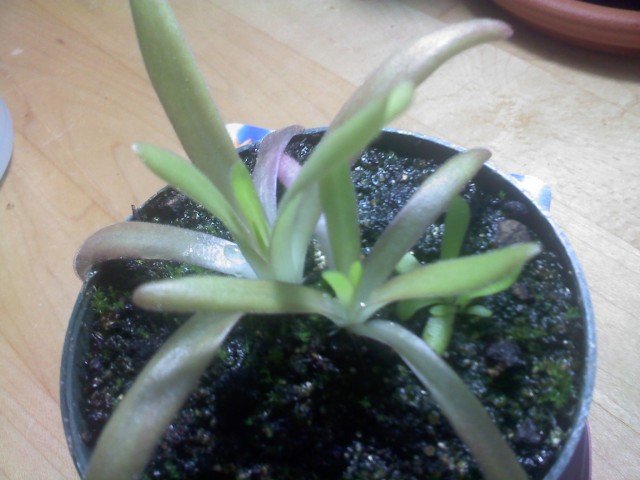
Pinguicula 'Aphrodite' Winter Rest: Not Full Dormancy
Observation In our conditions, P. Aphrodite doesnt go fully dormant but produces shorter winter leaves. Your plant looks healthy—no issues visible. Expect larger leaves as temperatures rise. Good growing! Jacob Farin
Assessing Light Levels for Indoor Nepenthes: Color and Growth as Guides
Species Matters Not all Nepenthes develop colorful leaves—some stay green regardless of light. N. Miranda colors up due to maxima parentage. Practical Test Start lights 12 above plants, 12–14 hour day. After 1 month: i
Early Winterizing in Massachusetts: Mulch Depth and Temperature Spikes
Insulation Critique Weed fabric + few inches of leaves may be insufficient for your zone; 6+ inches mulch recommended. Leaves increase mold risk; wood chips or pine needles better. Dowels may not withstand snow load. Bu
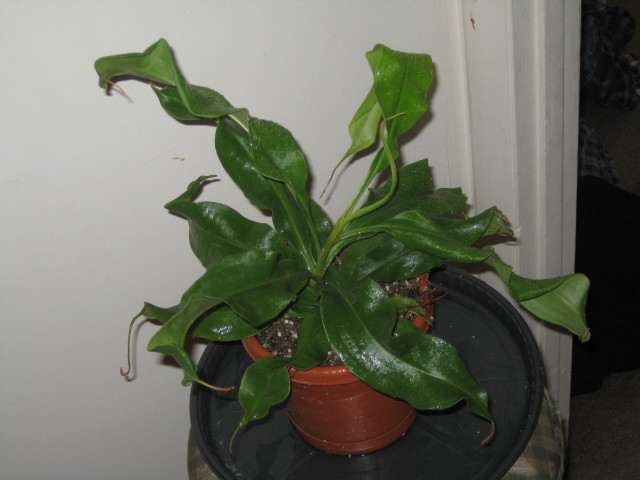
Nepenthes kuchingensis × viking: Lowland Hybrid Care Indoors
General Tolerance Many such hybrids tolerate household conditions well. Key needs: bright window, regular watering, time. Winter short days mean no new pitchers until March equinox. Light Advice Ignore no direct sun tag
Partially Severed Nepenthes Stem: Taping and Staking for Recovery
Immediate Action Taping the stem was correct. Add a stake to relieve pressure on the break. Cambium tissue will partially self-repair. Timeline Allow at least 2 months for healing. Nepenthes are remarkably resilient if
Venus Flytraps Flooded by Heavy Rain: Quick Recovery
Outcome Theyll be fine. Drain excess water. Prevent recurrence by drilling side holes in the tray so water cant exceed pot level. Good Growing! Jeff Dallas Sarracenia Northwest www.cobraplant.com
Repotting Sarracenia purpurea: Timing and Pot Selection
Timing 50–60°F, days lengthening). Now is preparation for dormancy. Pot Choice Clay or plastic both work. Choose slightly larger than current pot (e.g., 3 → 4 → 5 annually). Saucer must hold ¼–½ pot depth in water (1–2
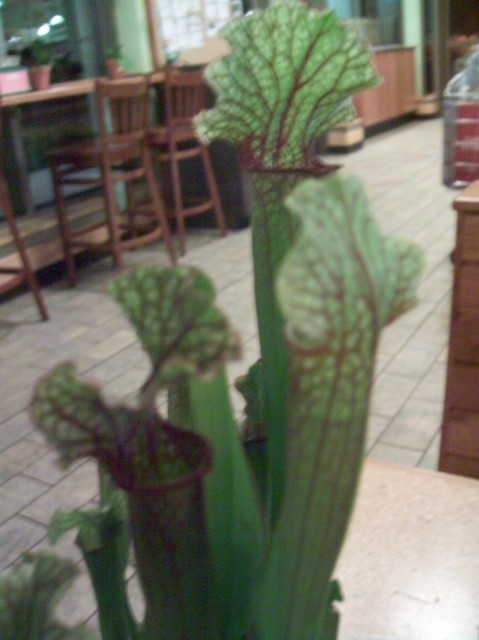
Mystery Sarracenia in November: Dormancy, Lighting, and ID
Immediate Steps Dont repot until spring. Plant appears to be a hybrid, likely S. leucophylla × purpurea or complex hybrid. Dormancy Setup If grown outdoors, theyre ready for dormancy at 40°F. If indoors, reduce light
Winterizing Venus Flytraps and Sarracenia on a Patio: Insulation Strategies
Core Principle Prevent soil from freezing solid. Pots freeze faster than ground. Insulate pots, not just cover plants. Recommended Method Place pots on ground or in trench against sunny house wall. Surround with insula
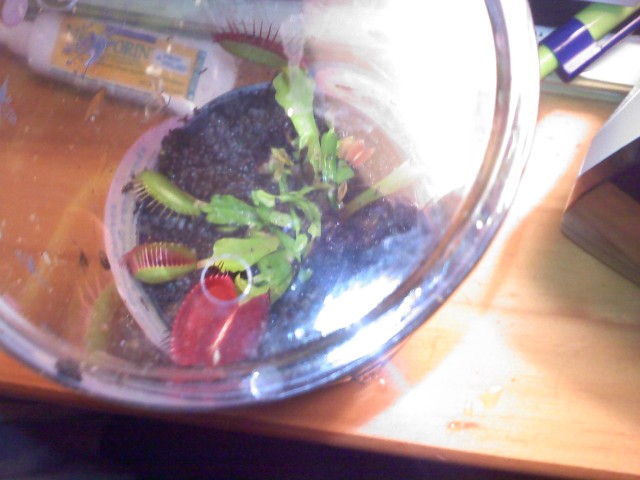
Venus Flytrap Root Pruning and Dome Acclimation
Root Pruning Dont intentionally cut roots during transplant—theyll slide through pot holes. Cutting slows recovery. Dome Removal Harden off gradually: open dome slightly, increase opening over 1–2 weeks, then remove. W
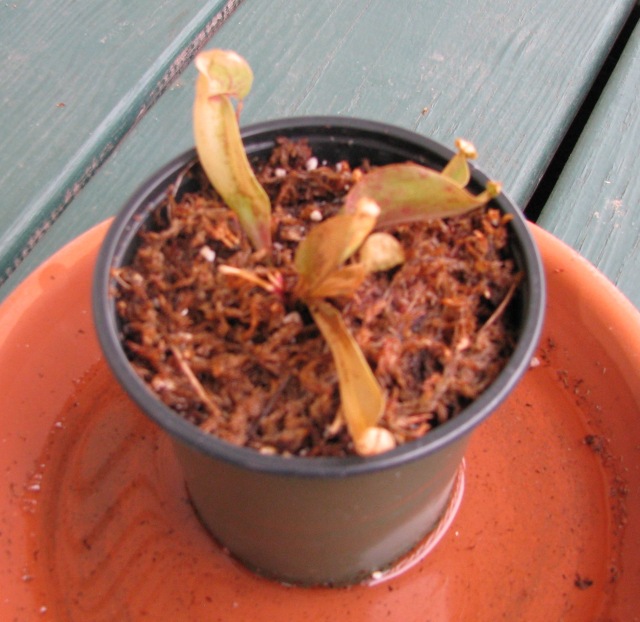
Young Sarracenia purpurea Leaf Dieback: Normal Dormancy Transition
Assessment Leaf loss in late November is typical for a plant from low light entering dormancy. S. purpurea ssp. purpurea may retain some leaves, but dieback after repotting and light change is normal. Care Cut brown le
Sarracenia Seedlings: Indoor Growing for First 1-2 Years
Recommendation Grow seedlings indoors under lights or bright window for 1–2 years to build size and resilience. No artificial dormancy needed yet. Acclimate to outdoors after they reach a few inches tall. Christopher
Drosera spatulata 'Fraser Island' Needs Warmth and Strong Light for Dew
Requirements This tropical Australian form thrives above 70°F in strong direct sun. Your 52W fluorescent (3200 lumens) is adequate if plants are within 2 inches of tubes for warmth and intensity. Good Growing! Jeff Dall
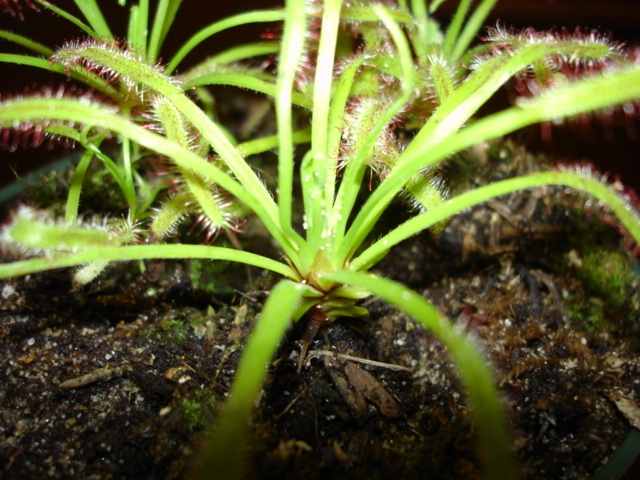
Cape Sundew Aphid Infestation: Systemic Imidacloprid Treatment
Identification Pests on newest growth are aphids, not mites. Treatment Use imidacloprid-based systemic insecticide (many Bayer products). Protects for ~1 month. See Sarracenia Northwest YouTube for application demo. Pl
Vinegar as Fungicide for Sarracenia: Experimental and Risky
Expert Opinion Vinegar is untested for CP fungus control. Sulfur is preventative, not curative. For active botrytis, systemic fungicides like Bayer Disease Control (tebuconazole) work better and are relatively low-toxici
Ultra-Highland Nepenthes Struggles: Light, Humidity, and Species-Specific Needs
Diagnosis for N. macrophylla, N. mikei, N. aristolochioides Day humidity too low (50% → need 70%+). Day temps too high (65–75°F → prefer 70–80°F); nights too cold (40–45°F → prefer 50–60°F). Light insufficient: add anot
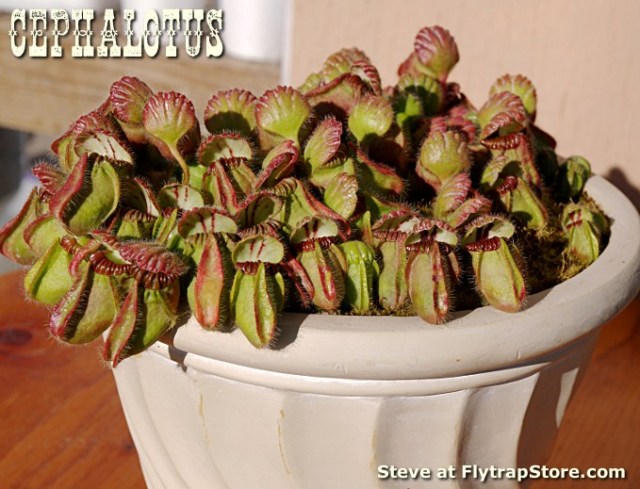
Rescuing a Rotting Cephalotus: Emergency Repotting Guide
Problem: Wrong Medium Pure long-fiber sphagnum is too dense and soggy. Cephalotus needs sandy, well-drained, aerated soil with ample airflow. Rescue Procedure Soak rootball in distilled/rain water; gently remove all ol
Lowe's "Plant Light" for Carnivorous Plants: Is 1600 Lumens Enough?
Short Answer: No 1600 lumens is far too weak. Sunlight delivers ~50,000 lumens. A 100–150W equivalent CFL spiral bulb works for small plants, but shoplights are better long-term. Recommended Setup Twin 40W cool-white T
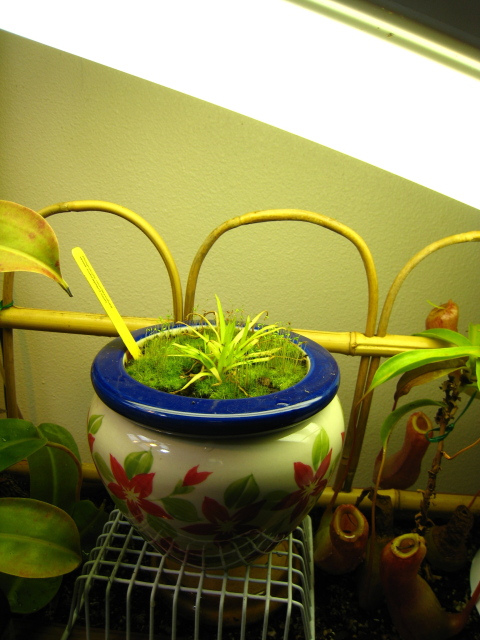
Declining Pinguicula moctezumae: Fungus Gnats or Fertilizer Deficiency?
Two Likely Causes Fungus gnat larvae: Check for tiny black flies and white worms in soil. If found, repot and treat with imidacloprid. Nutrient deficiency: Foliar feed weekly with orchid fertilizer at ¼ tsp/gal. Weakly,
Copyright © www.100flowers.win Botanic Garden All Rights Reserved