




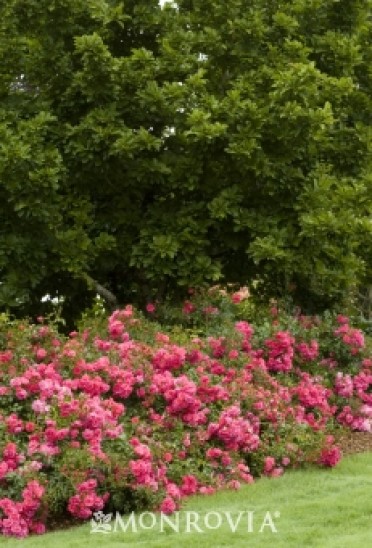


Pythium Crown Rot in Dwarf Mondo Grass: Diagnosis and Fungicide Treatment
Browning, easily pulled leaves in established dwarf mondo grass during extreme heat (60+ days over 100°F) suggest Pythium crown rot. Certain Pythium species are active at high temperatures. Confirming Pythium Roots/crow

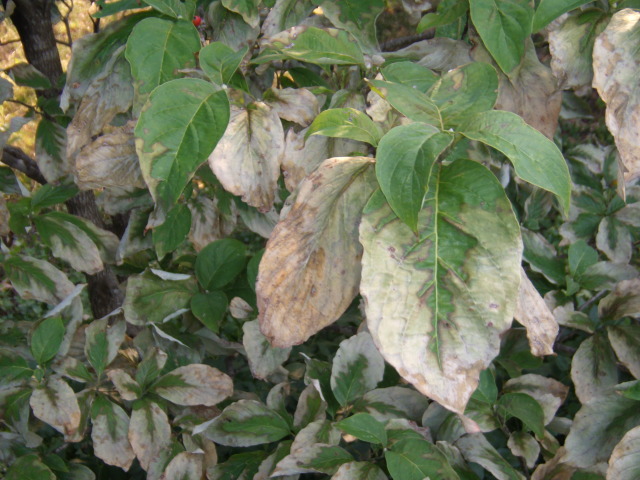
Dogwood Leaf Scorch from Drought: Watering, Fertilizer Caution, and Recovery Outlook
Brown leaf margins on your dogwood indicate water deficit. Dogwoods are shallow-rooted and drought-sensitive, especially in full sun. Symptoms often appear 1–2 seasons after the stress. Immediate Care Water deeply but
Hundreds of Black Beetles on Young Oak: Identification and Control Options
Without a photo, exact beetle ID is impossible, but massive numbers on the lower trunk suggest a recent hatch. First, inspect for damage: Chewing holes in leaves Boring dust or holes in bark If Treatment Is Needed Spra
Mondo Grass Yellowing: Pythium Root Rot and Organic Recovery with Atomic Grow
Your established mondo grass is yellowing and pulling up easily—classic symptoms of Pythium root rot, often triggered by poor drainage or drought followed by heavy rain. Why Fungicides Alone Aren’t Ideal Chemical fungici
Chanticleer Pear Crown Decline: Rootstock Issues and Need for On-Site Evaluation
Your 30-foot Chanticleer pear shows progressive yellowing and sparse foliage in the upper crown, starting at the top and moving downward. Blooms remain normal, leaves don’t drop early. Likely Cause Symptoms suggest a roo
Bark Peeling on Pink Dogwood: Sunscald After Shade Removal
The bark peeling on your pink dogwood is likely sunscald caused by sudden exposure to full sun after large firs were removed. Thin-barked trees like dogwood are vulnerable. Why It Happens Rapid temperature changes (winte
Iron Chlorosis in Lilac: Dark Veins, Pale Leaves—Quick Fix with Ironite
Dark green veins with yellowing between them (interveinal chlorosis) on your lilac indicate iron deficiency, a common issue for lilacs and gardenias. Treatment Apply Ironite (available as granules or foliar spray). The s
Chinese Pistache Dieback: Environmental Stress and Botryosphaeria Canker
Your 13-year-old Chinese pistache shows limb dieback with no visible insects. Two main causes are likely: 1. Environmental Stress Drought and extreme heat cause dieback. The tree may survive with proper care: water deepl
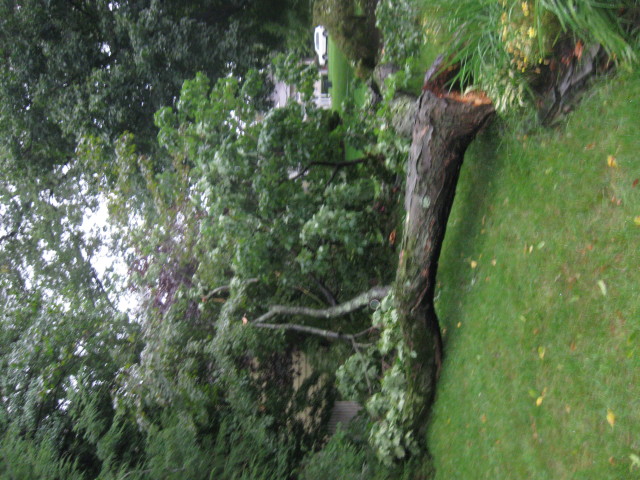
Storm-Damaged Maple with Internal Decay: Safety Assessment and Recommendation
The fallen limb is hollow and rotten, indicating advanced internal decay. The tree leans toward the house and power lines, creating a significant hazard. Professional Opinion This tree is a strong candidate for removal.
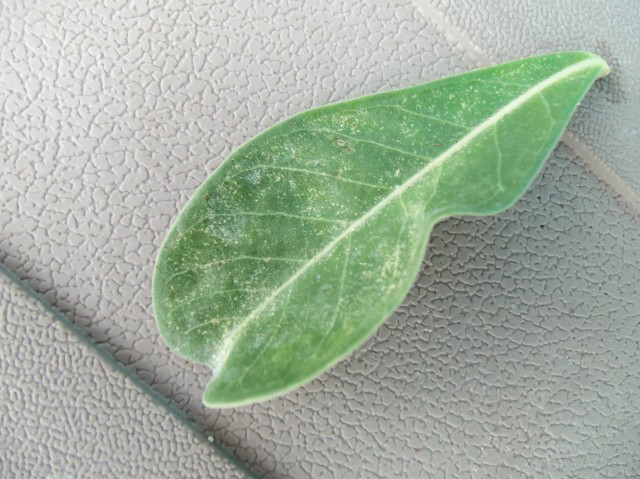
Scale Insects on Desert Rose: Identify, Treat, and Adjust Care
The light spots on your desert rose are scale insects, not a fungus. Each spot is a scale feeding on sap; heavy infestations cause yellowing and leaf drop. Treatment Options Apply an insecticide labeled for scale insec
Black Spot Fungus on Plumeria: Trim, Sanitize, and Spray
Black spots on plumeria leaves are a fungal disease, similar to black spot on roses. High humidity and rainfall encourage its spread. Management Steps Trim off affected leaf sections using clean scissors dipped in 10% b
Sudden Leaf Loss in Mature Euonymus: Investigating Root and Stem Issues
Rapid leaf drop and browning in established euonymus shrubs often point to a root or stem problem rather than a foliar disease. Possible causes include: Water stress (too much or too little) Nutrient deficiency or imbal
Overwatering Causes Browning in Newly Planted Westmont Arborvitae
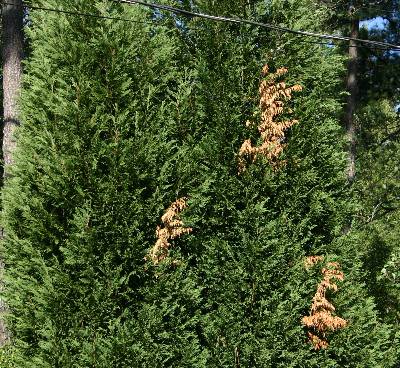
Daily watering in a hot desert climate is likely drowning your Westmont arborvitae. Overwatering produces the same symptoms as drought: interior browning while outer foliage stays green. Correct Watering Regimen Water de
Mealybugs on Philodendron: Why Your Plant Drips and How to Stop It
The white “mold” on your philodendron is almost certainly mealybugs—a type of scale insect. These pests excrete honeydew, a sticky, dripping substance that can attract ants and lead to sooty mold. Effective Treatment Sp
Diagnosing Problems on Tibouchina (Glory Tree): Lichen, Root Rot, and Borers
Your Tibouchina’s greenish-gray crusty bark patches are lichen—a harmless symbiotic organism that often appears on mature trees. It can be peeled off if desired but does not harm the tree. Branch Dieback Causes Wet soil
Managing Tar Spot on Maple Trees: Leaf Removal and Fungicide Timing
Tar spot is a common fungal disease on maples that causes black, tar-like spots on leaves. While it rarely kills the tree, it can be unsightly and weaken the plant over time. Cultural Control Removing spotted leaves from
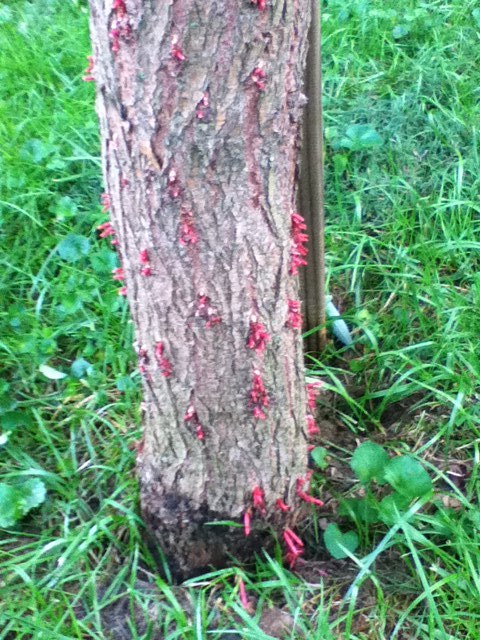
Red Spikes on Willow Trunk? It’s Borer Frass—Here’s What to Do
Those rubbery, red spikes covering your young willow’s trunk are not a fungus—they’re frass (insect excrement) from borers, likely beetles, that have infested the wood. Heavy frass accumulation up the entire trunk indic
Dealing with Borers in Plum Trees: Identification and Treatment
If your plum tree is oozing sap and showing dieback on branches, you’re likely dealing with borers. These insects tunnel beneath the bark, disrupting the tree’s vascular system and causing the characteristic sap formatio
Honeysuckle Vine Decline: Homemade vs. Commercial Fungicides
Honeysuckle leaves turning brown/yellow and falling. Previous advice suggested fungicide. Seeking non-toxic kitchen remedy. Diagnosis First Yellowing/browning without spots suggests root/stem issue, not leaf spot. Fungic
Pecan Tree Limb Drop: Drought, Weevils, and Borers
Mature pecan (60 ft, 60 mi east of Houston) dropping major limbs. Small bug with fangs found under bark. Severe drought. Primary Factors Historic drought – main cause of excessive limb shed. Pecans naturally drop some l
Copyright © www.100flowers.win Botanic Garden All Rights Reserved