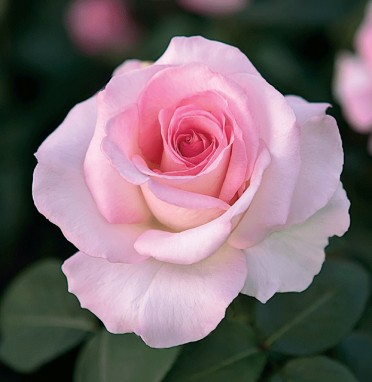


Fuchsia Leaf Holes: Likely Leafcutter Bees—Beneficial, No Control Needed
Circular holes in fuchsia leaves with no visible insects are classic leafcutter bee damage. Bees cut leaf pieces to line nests. Identification Help Bee photos/damage: CSU Extension Insect damage patterns: Leaf Damage Gu

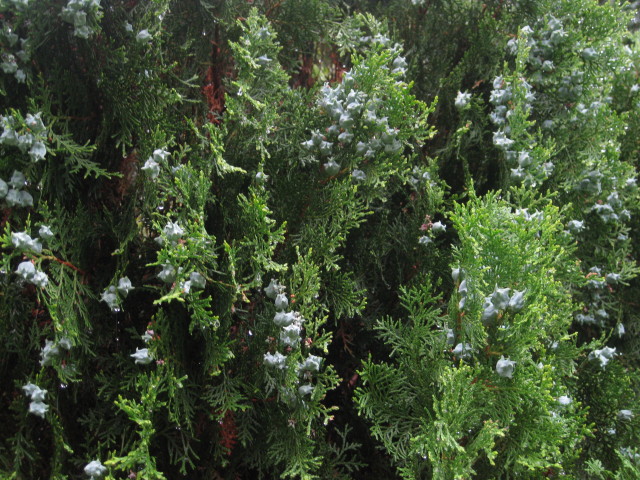
Arborvitae “Blue Gray Spiky Balls” Are Normal Seed Cones—Watch for Bagworms
The blue-gray spiky balls on branch tips are immature seed cones—normal for arborvitae. No disease or insect issue. Real Threat: Bagworms Watch for bagworm caterpillars (they make spindle-shaped bags). Hand-pick and cru
Arborvitae Brown Spots After Neighbor’s Chemical Driveway Treatment: Possible Drift Injury
25 emerald green arborvitae developed brown spots 4–6 days after neighbor applied strong chemical (acid?) to driveway in 100°F heat. Odor burned eyes/lungs. Assessment Symptoms suggest chemical drift injury, not contagio
Holly Trees Light Green and Wilting in Heat: Water Deeply, Not Disease
Two of three hollies light green and wilting in 100°F Kansas City heat—middle tree fine (more protected). Diagnosis Heat stress, not disease. Pathogens inactive at 100°F; they need moisture. Action Water deeply 1–2 time
Aloe Brown Spots: Fungal Leaf Spot—Trim, Fungicide, Reduce Water
Brown spots on indoor aloe leaves are likely fungal leaf spots. Unsightly but rarely fatal. Treatment Cut out infected leaf sections; sterilize tool (bleach, alcohol, or boiling water). Apply systemic fungicide (any bra
Petunia Botrytis Blight: Remove Blooms, Improve Airflow, Fungicide
Black fuzzy growth on new petunia blooms is Botrytis blight (gray mold), common in humidity. Cultural Management Remove and discard all faded/blighted flowers and leaves daily. Remove debris from soil surface. Work duri
New Mulberry Tree Leaf Death After Pruning: Transplant Shock or Stress
Fruiting mulberry planted Aug 2010 in Nova Scotia leafed out spring 2011, then all leaves browned after sister pruned dead tips. Assessment Pruning dead tips shouldn’t kill the tree. Scratch test: green under bark on tw
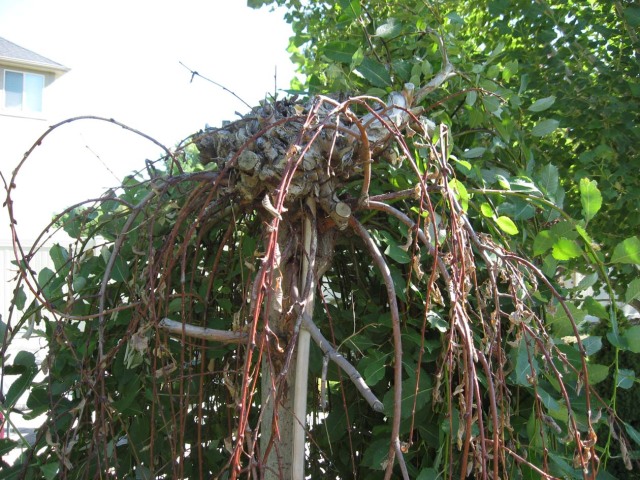
Weeping Pussy Willow Half-Crown Dieback: Soil Test Needed
South-facing half of crown died after wet spring. No obvious damage or chemical exposure seen in photo. Next Step Conduct a soil test (free via county Cooperative Extension). It will reveal pH, N-P-K, and possible iron
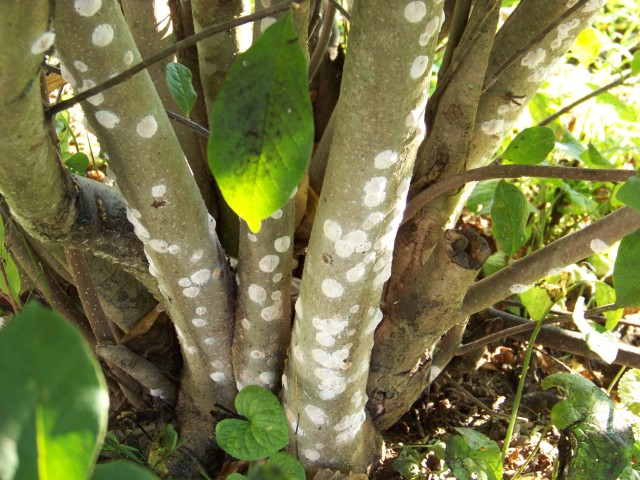
White Spots on Tulip Tree: Lichens or Scale—Harmless or Treatable
White spots on branches are likely lichens (harmless) or possibly scale insects. Snip a small twig with spots and take to a local garden center for ID. Notes Lichens don’t harm tree health. If scale, appropriate insect
Mimosa Tree Sudden Top Dieback: Fusarium Wilt—Incureable
Mimosa with sudden top dieback despite daily watering likely has Fusarium wilt, a fatal vascular disease. Diagnosis Confirm by lab analysis of woody tissue. County Extension can assist with on-site visit or sample submis
Sand Cherry Powdery Mildew: Fungicide or Horticultural Oil Treatment
White film and curling leaves on new sand cherry bushes in dry-then-wet weather is powdery mildew. Treatment Benomyl (fungicide) or SunSpray horticultural oil (if temps < 85–90°F). Spray every 7–10 days for 2–3 applicat
Crape Myrtle Sticky Yellow Leaves: Honeydew from Insects + Drought Stress
Sticky leaves = honeydew from sap-feeding insects (aphids, scale, whiteflies) on this tree or one above it. Sooty mold may follow. Steps Check leaf undersides and nearby trees for insects. Control insects (see honeydew
Mature Ligustrum Splitting and Declining: Age, Weather, and Rot
38-year-old ligustrum with deep splits (¼ inch × 4+ ft) on major limbs, top dieback, and new growth only on lower splits is nearing end of lifespan (≈40 years). Contributing Factors Age-related deterioration. Sudden wet
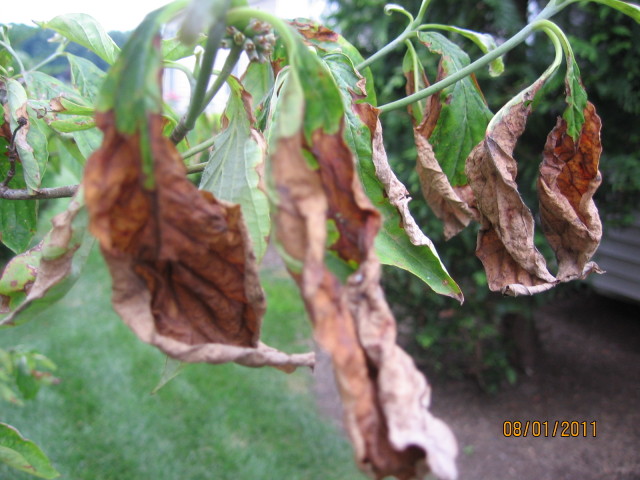
Dogwood Brown Splotches: Anthracnose or Sun Scorch? Water and Mulch Either Way
Brown splotches on dogwood leaves in July could be dogwood anthracnose or sun scorch from reflected heat. Treatment overlaps. Care Water 1 inch every 3 days for 2 weeks, then weekly (measure with pan). Do not fertilize
Norfolk Island Pine Decline: Overwatering and “Spider Silk” Likely Fungal
Drooping, browning branches and fine webbing on a potted Norfolk Island pine indicate overwatering/root rot. The “silk” is likely fungal mycelium, not spider mites. Immediate Fixes Empty saucer 15 min after watering—nev
Lichens on Tree Trunks: Control with Kocide 2000 and Fertilize
Green “moss” on trunks is lichens (algae + fungus). They don’t kill trees but indicate declining vigor. Control Kocide DF is discontinued. Use Kocide 2000 or similar copper-based product from a nursery. Follow label. Boo
Madagascar Palm Black Spots and Leaf Loss: Winter Dormancy and Fungus
Black spots on Madagascar palm leaves in late winter (Sydney) are a minor fungus. Leaf loss is natural winter dormancy—even in Madagascar, there’s a cool/dry season. Care Reduce watering while dormant. Spray leaves with
Italian Cypress Needle Blight in Florida: Water, Mulch, Fertilizer, and Mite Check
Browning and needle drop from bottom up on Italian cypress in central Florida is needle blight—caused by poor growing conditions or pathogens. Cultural Fixes Water 1 inch per week (measure with pan under sprinkler). Mul
Calathea Brown Spots: Humidity, Fertilizer, or Fungus?
Brown spots on new calathea leaves (1–3 cm) typically stem from three causes: Low humidity—calatheas need high humidity. Use pebble tray with water (pot not sitting in water) and mist daily. Over-fertilizing—use half-st
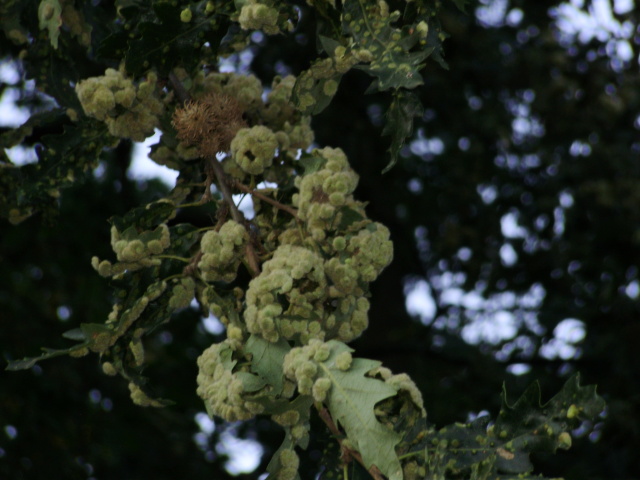
Fuzzy Yellow Growth on Oak Leaves: Woolly or Coral Leaf Gall—Harmless
The fuzzy yellow growths are leaf galls caused by tiny wasps (likely woolly or coral leaf gall). Wasps lay eggs in leaf buds; larvae secrete chemicals forming the gall. Key Facts Insects are gone by the time galls are
Copyright © www.100flowers.win Botanic Garden All Rights Reserved