

Aloe Vera Tips Turning Brown: Overwatering Fix—Trim, Dry Out, Optional Neem
Cause Brown tips = overwatering. Aloes need dry conditions; wet leaves invite fungus. Quick Fixes Trim brown tips if unsightly (clean scissors). Let soil dry completely; ensure pot drains. Maximize light. Optional: Spra

Plants Under Carrotwood Tree: Choose Drought-Tolerant Species or Irrigate the Root Zone
Core Problem Carrotwood (Cupaniopsis anacardioides) is a water-sucking beast that outcompetes nearby plants for moisture. The brick ring (34 ft circumference) is within its dense root zone. Planting Strategies Irrigate
Meyer Lemon Leaf Curl, Freeze Protection, and Neem Oil Use
A Meyer lemon in NW Florida with curling leaves, past caterpillars, and recent light freezes needs pest management and cold protection. Leaf curl often signals aphids (check undersides) or scale (hard, immobile bumps). D
Old Apple Tree with Borers and Sapsuckers: Management Limits
A 20+ year old apple tree under attack by borers and sapsucker woodpeckers in southern Nevada has limited treatment options. Borer insecticides work best as preventives, not curatives — once larvae are inside, sprays rar
Persistent Aphids on Hibiscus Spreading to Other Houseplants: Control Strategy
Long-established hibiscus (5–12 years) brought indoors with aphids that survived soap washes and spread to Christmas cactus, umbrella tree, and African violets require a coordinated, multi-plant approach. Why Soap Alone
Cobwebs on Meyer Lemon: Spider Mites or Beneficial Spiders?
Fine cobwebs at stem junctions on a Meyer lemon, with yellowing leaves, suggest spider mites — but not all webbing is bad. True spider mites produce fine, dense webbing and cause stippling, yellowing, and leaf drop. Bene
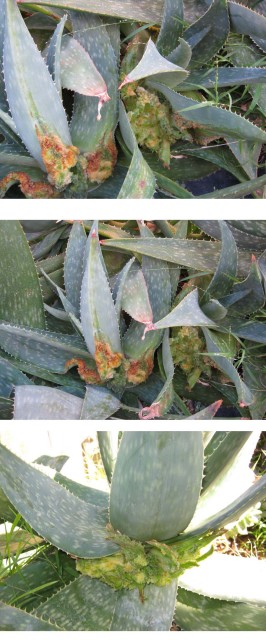
Aloe Vera with Hairy, Deformed Growth: Herbicide Injury, Not Disease
Aloe leaves developing hairy, disfiguring growths — with one leaf entirely transformed — are likely showing herbicide injury, not a disease or pest. The abnormal growth resembles epigenetic disruption from synthetic auxi
Reviving a Cold-Damaged Dracaena Massangeana (Corn Plant)
A 6-foot Dracaena massangeana with limp leaves after cold draft exposure can recover with proper care. Cold shock causes cellular damage, leading to drooping, yellowing, and leaf loss. Recovery Steps Stable environment
Lilac Tree Dieback: Blight, Root Rot, and Drainage Solutions
A 7-year-old lilac that budded, turned black, failed to leaf out, and pulled out easily with rotted roots — followed by a second tree showing similar symptoms — points to a combination of blight and poor drainage leading
Winter Burn on Arborvitae: Prevention and Recovery in Cold Climates
Newly planted arborvitae (30 tall) in northern Nevada turning brown and drooping in winter likely suffer from winter desiccation (winter burn). Cold, dry winds pull moisture from evergreen foliage while frozen soil preve
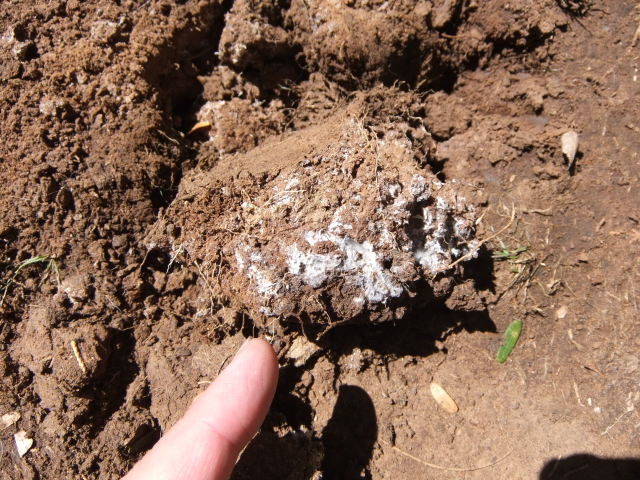
White Fungal Growth in Lawn Soil: What It Is and How to Manage It
Hard, dry soil clumps permeated with white, moldy growth — while surrounding soil stays moist — indicate a fungal mycelium mat. This is typically a saprophytic fungus decomposing organic matter, not a pathogen attacking
Spider Mites on Schefflera (Umbrella Plant): Identification and Control
A large, decade-old Schefflera arboricola (Hawaiian umbrella plant) with white, spider-web-like spots likely has a spider mite infestation. These tiny arachnids thrive in dry indoor air and cause stippling, webbing, and
Marigold Leaf Damage: Identifying the "Silvery Scales" Pest
Marigolds and daisies destroyed by silvery scales that eat leaves then flowers suggest a chewing or rasping pest — not a disease. The description doesnt match common marigold pests like spider mites, aphids, or slugs. Wi
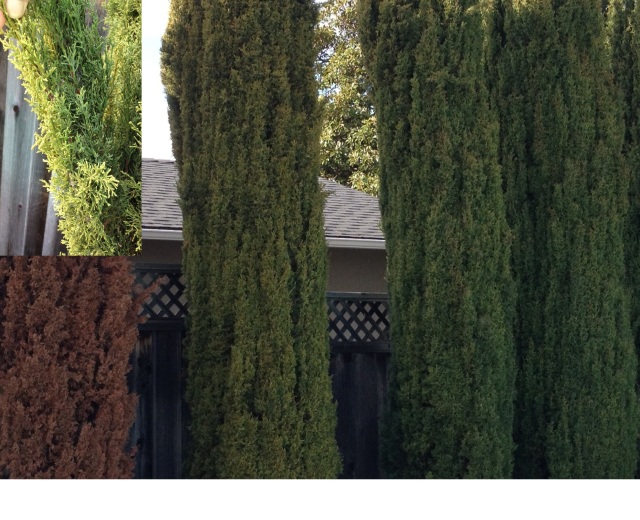
Italian Cypress Turning Yellow: Causes and Rescue Steps
When an Italian cypress turns yellow from the outside in, then brown, and dies — especially if a neighboring tree follows suit — the cause is often root or soil-related. Common triggers include: Mechanical injury — str
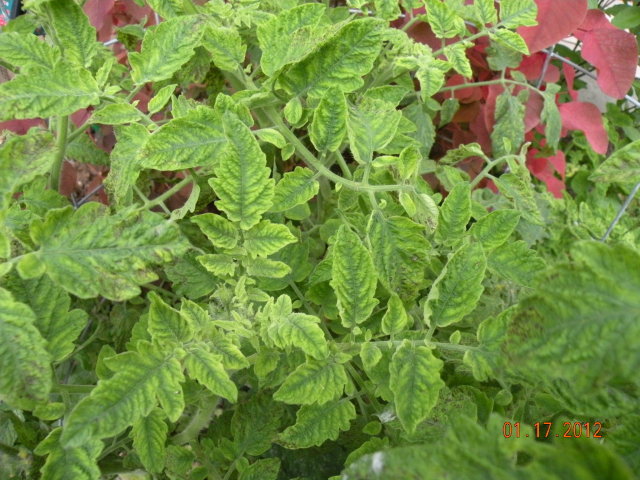
Shriveled, Brown Tomato Leaves: Root Stress, Not Disease
When tomato leaves shrivel, turn brown, and flowers look unhealthy — despite good watering and fertilizing — the problem is often root or soil stress, not an infectious disease. The symptoms point to a nutrient or water
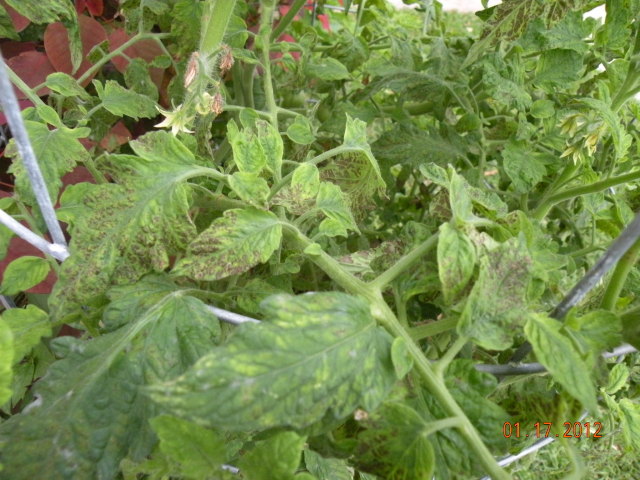
Tomato Leaf Discoloration: Viral Infection vs. Fungal Disease
When tomato leaves develop yellowing, dying spots, and stunted growth despite adequate water and fertilizer, a viral infection is often the culprit. Unlike fungal diseases such as fusarium or verticillium wilt — which ca
Diagnosing Stephanotis Leaf Damage: Causes and Solutions
If your stephanotis (Madagascar jasmine) shows leaves that appear eaten from the inside out, with yellowing and no visible pests, several issues could be at play. The damage description — tissue consumed but a thin layer
Understanding Soil pH: What It Is, Ideal Levels, and How to Adjust It
Soil pH is a critical factor that determines how well your plants can access nutrients. The pH scale runs from 1 to 14, with 7 being neutral. Values below 7 indicate acidity (often called sour soil), while values above 7
Critical Error Repotting into garden soil (not potting mix) caused poor drainage and root rot. Black, shriveled stem base confirms advanced rot. Immediate Steps Repot into well-draining soilless mix. Water only when soi
Pomegranate Pest/Disease Spray Schedule for Hot, Dry Climates: Minimal Inputs Needed
Good News Pomegranates are remarkably pest- and disease-free. No routine spray schedule is required. Optional Dormant Spray Winter: Lightweight horticultural oil to smother overwintering mealybugs or scale (rare). Cultur
Copyright © www.100flowers.win Botanic Garden All Rights Reserved