
Can Hydrangea Roots Damage Underground Pipes?
Root Behavior Near Pipes A plant root cannot distinguish between a water pipe and a rock. Roots only invade pipes if they leak water. An irrigation supply pipe is unlikely to leak, but a sewage drain pipe might. Hydrang

Will Forced Paperwhite Narcissus Bloom Again Outdoors?
Understanding Forced Bulbs If you received paperwhite narcissus bulbs for the holidays and they have finished blooming, you might wonder whether planting them outdoors will yield flowers again. The short answer: they wil
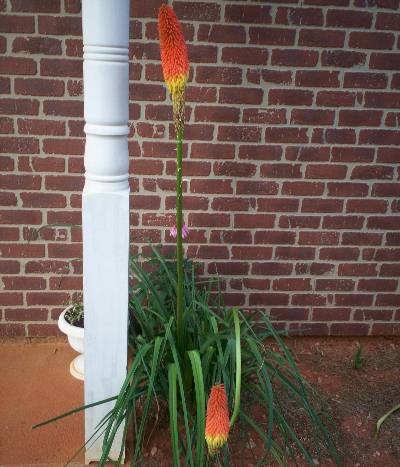
Red Hot Poker (Kniphofia uvaria): Not 'Bread and Butter' but a Bold Perennial
The plant is Red Hot Poker, not Bread and Butter. It thrives in dry, sunny spots but performs better with good soil and summer water. Without moisture, flower spikes look ratty.
Milorganite: An Unexpected Rabbit Repellent for Garden Edges
Milorganite (Milwaukee sewage sludge) stopped rabbit damage on mondo grass. Its a good fertilizer and inexpensive, available at garden centers.
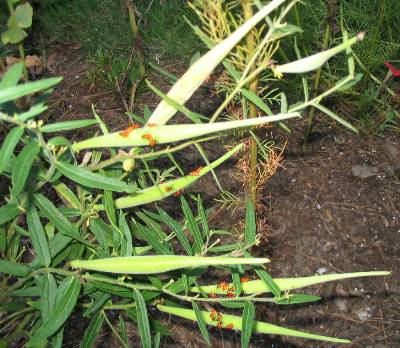
Milkweed Bugs: Colorful Seed Predators That Help Regulate Milkweed
Orange nymphs with black spots cluster on milkweed pods, eating seeds. They sequester plant toxins, deterring predators. They never destroy all seeds, so milkweed persists. Harmless unless youre saving seed. Lab-friendly
From Homemade Repellent to Liquid Sevin: A Gardener's Japanese Beetle Journey
Herbal spray (Convolvulus, thyme, neem) worked partially but lacked sticking power. Liquid Sevin (carbaryl) provided excellent control. Observation: beetles strongly preferred white petunias over pink.
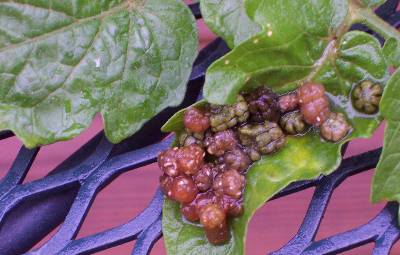
Tomato Hornworm Frass: A Sign to Start Bt Sprays
Droppings on tomato leaves mean a hornworm is feeding. Theyre voracious and well-camouflaged. Natural enemies: braconid wasps (white cocoons on caterpillar) and paper wasps. Preventively spray Bt (Bacillus thuringiensis)
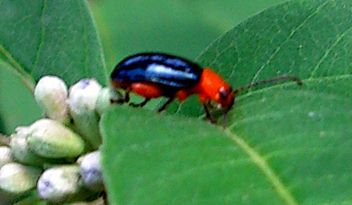
Shining Flea Beetle on Vitex: Monitor Before Treating
These beetles were feeding on chaste tree, so theyre herbivores. But dont spray until you see significant damage—natural enemies may keep them in check.
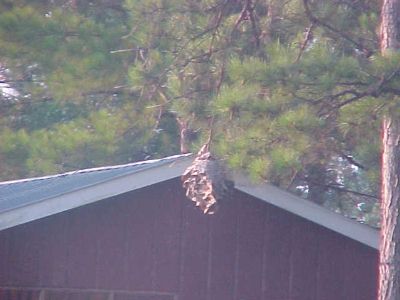
Massive Hornet Nest: When to Call a Pro
A 2-3 foot diameter nest 300 yards away is impressive. It may be the super-sized yellow jacket phenomenon. Professional removal is strongly advised for safety.
Debunking the Myth: Aspartame Does Not Kill Ants
The internet rumor that aspartame kills ants is false—just like the myth that chewing gum kills armadillos. Snopes.com thoroughly debunks it. Trust science, not anecdotes.
Removing Ivy from Brick Walls Without Damaging Masonry
Cut main vines at ground level. Pull vines while still flexible—waiting makes them brittle and hard to remove. After holdfasts dry (a few weeks), scrub them off with a brush. Dont delay, or they oxidize and become nearly
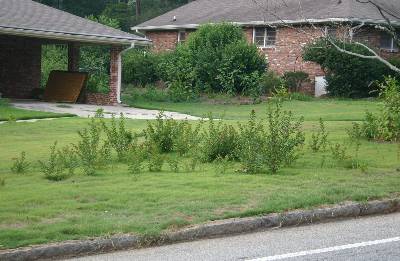
Eliminating Crapemyrtle Root Sprouts After Tree Removal
Spray sprouts repeatedly with broadleaf/brush killer or glyphosate (in non-lawn areas). Alternatively, mow regularly to starve the roots. Persistence for a full season is required.
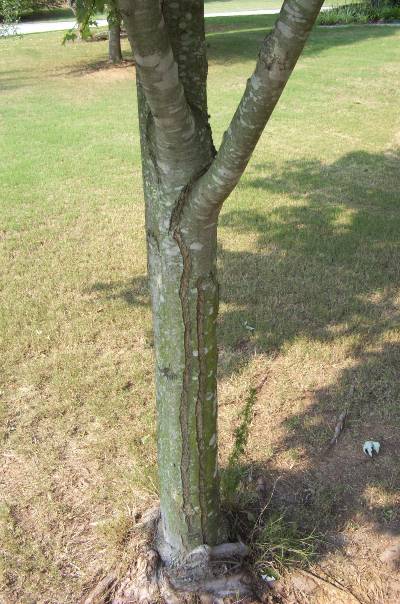
Bark Splits on Red Maple: Normal Growth or Root Problem?
Some bark splitting is normal and heals. However, circling roots at the base caused the stress here. Remove the girdling root now to prevent future strangulation. Bark tracing isnt needed.
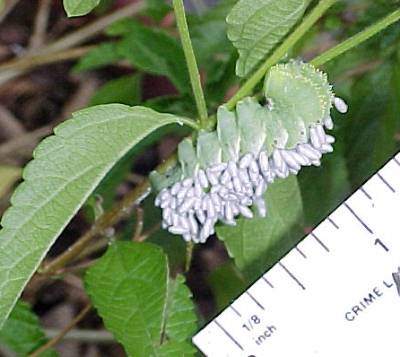
Rustic Sphinx Caterpillar Parasitized by Braconid Wasps: Biological Control in Action
The white cocoons on the caterpillar are braconid wasp pupae. Wasps lay eggs on the caterpillar; larvae consume it internally, then spin cocoons. They overwinter and emerge in spring to parasitize more caterpillars. This
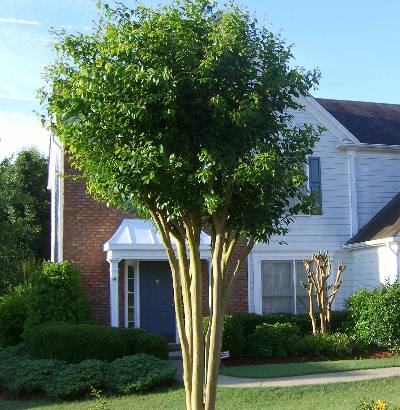
Asian Ambrosia Beetle on Crapemyrtle: Identification and Prevention
Toothpick-like frass signals Asian ambrosia beetle. The female bores in, introduces fungus that often kills the tree. No curative treatment exists. Prevent with spring sprays of cypermethrin, permethrin, or deltamethrin.
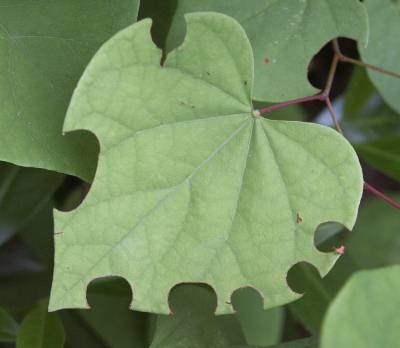
Leafcutter Bees: Gentle Architects of Leaf-Lined Nests
Leafcutter bees cut precise leaf circles to line nests in rotten wood or soft pith. They provision each chamber with nectar and pollen. The dark liquid you saw was a squished larva. They dont damage healthy wood. Enjoy t
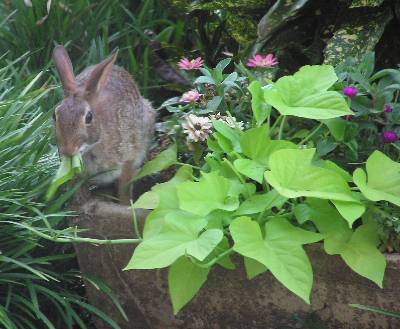
Rabbit Caught Red-Pawed Eating Ornamental Sweet Potato Vines
Photo evidence confirms a rabbit as the culprit. Open-and-shut case!
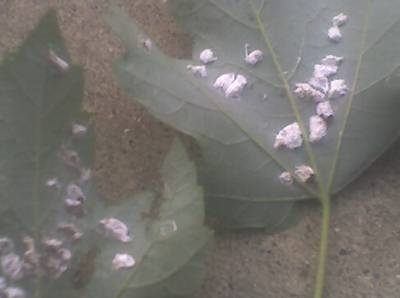
Cottony Maple Scale: Identification and Horticultural Oil Treatment
Cottony maple scale (Pulvinaria innumerabilis) appears as white, cottony egg sacs on leaf undersides and twigs. Unlike armored scales, these soft scales produce fluffy white ovisacs containing hundreds of eggs. Control
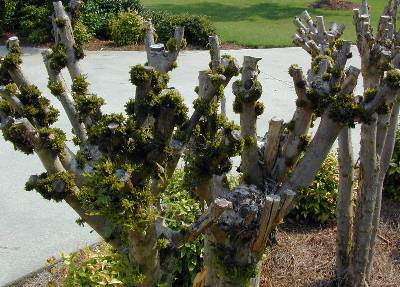
Roundup Damage to Crape Myrtles: Recovery Outlook and Sprayer Hygiene
Accidental glyphosate (Roundup) exposure from contaminated sprayers causes severe leaf distortion, stunting, and bloom failure in crape myrtles. Symptoms appear on new growth as cupped, chlorotic leaves with shortened in
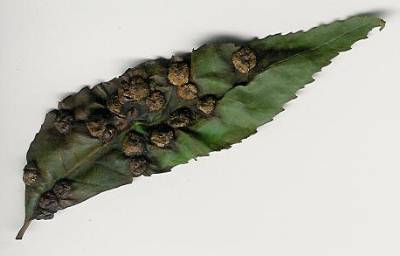
Pecan Phylloxera: Gall Management and Nut Production Protection
Pecan phylloxera are tiny, aphid-like insects that cause distinctive galls on leaves and twigs. While unsightly, they rarely threaten tree survival but can reduce nut yields for current and following years. Management D
Copyright © www.100flowers.win Botanic Garden All Rights Reserved