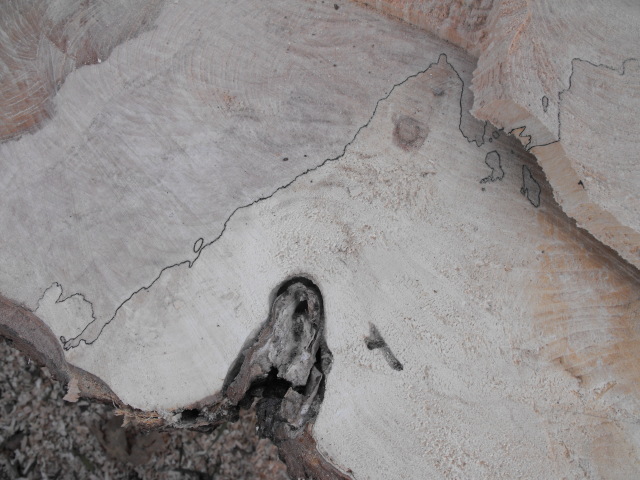
Black Lines in Lightning-Struck Maple Wood: Lightning Trace Scars—Fascinating Wood Feature
Maple cross-section with fine black lines Cause Fine black lines = lightning trace scars. Lightning travels unpredictably—sometimes leaves tree intact but marks interior. Insect borers make coarser holes. Value Wood wit


Black Spots on Tomato Seeds: Natural Variation, Not Disease—Fruit Safe to Eat
Explanation Darker centers in tomato seeds are normal genetic variation (like black vs. white watermelon seeds). Rest of fruit perfect = no disease. Ruled Out Botrytis: would show fuzz on overripe fruit. Graywall: affec
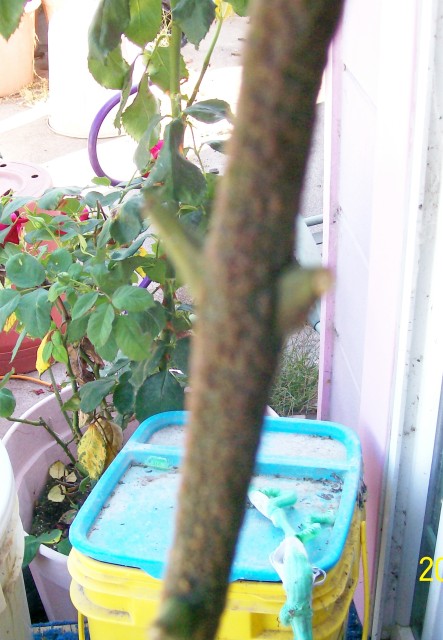
Jacaranda in Pot with Trunk Fungus: Need Clearer Photos, But Moving Indoors for Winter May Help
Jacaranda in container with trunk issue Current Status Photo unclear. Tree shedding leaves (normal for changing light/season). Moving indoors nightly stresses plant—better to move inside for winter. Next Steps Send sha
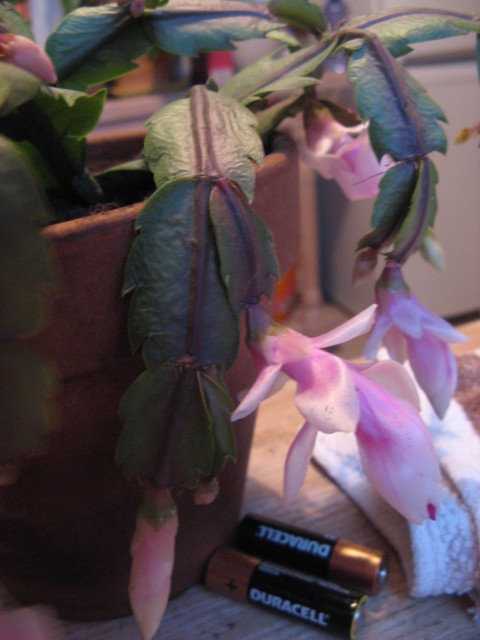
Thanksgiving Cactus Soft, Squishy Stems: Root Rot from Constant Moisture—Repot, Cuttings, Neem
Thanksgiving cactus with squishy stems Root Cause Soil stayed constantly moist (never dried) → root rot. Roots gray-brown, fragile. Plant also in too-large pot with poor soil. Rescue Plan Repot: Fresh, well-draining ca
Diagnostic Steps Send sharp close-up photo. Wipe black area with wet paper towel: if black comes off = sooty mold (fungus on insect honeydew). Control the insect → sooty mold disappears. Likely Pest White rice grains =
Black Spots on Maple Leaves: Tar Spot Fungus—Rake Leaves, Reduce Inoculum, Tree Usually Fine
Identification Dark black, raised spots = tar spot (Rhytisma spp.). Cosmetic, rarely harms tree health. Management Rake and destroy ALL fallen leaves before spring budbreak. Burn if allowed; otherwise bag for trash. Red
Witches' Broom on Coreopsis Near Rose Rosette: Unlikely Same Virus—Lab Needed for ID
Key Fact Rose rosette virus is host-specific (Rosa spp.). Coreopsis witches broom has other causes: other viruses, mites, herbicide drift, genetic mutation. Action If other healthy plants nearby, remove/destroy affected
Winterizing Perennials (Lantana, Mums, Hosta) in Zone 6a: Cut Back or Leave? Mulch with Leaves?
Expert Recommendations Lantana: Marginal in zone 6. Dont cut back until after last frost. Mulch heavily for insulation. South-side planting helps. Garden mums: Leave stems intact. Mulch with pine needles/straw. Hosta: C
How They Got There Winged reproductive ants flew/carried by wind to 5th floor, nested in pot. No ground trail needed. Two Safe Treatments Orange oil soil drench: Soak soil; kills ants fast. Flush thoroughly with water o
Green Flat Fungus on Oak Trunk: Likely Lichens—Harmless, but Photo Needed for Certainty
Initial Assessment Flat green coating on 9-year-old oak trunk in Daytona Beach = probably lichens (harmless). But need close-up photo to rule out algae or early fungal canker. What to Check Tree vigor: yellowing leaves?
Likely Causes Cool temperature swings (70s days, cold nights) trigger leaf drop. Uneven watering—too dry or waterlogged. Scale insects—check stems/leaf undersides for hard bumps. Actions Stabilize watering; no standin
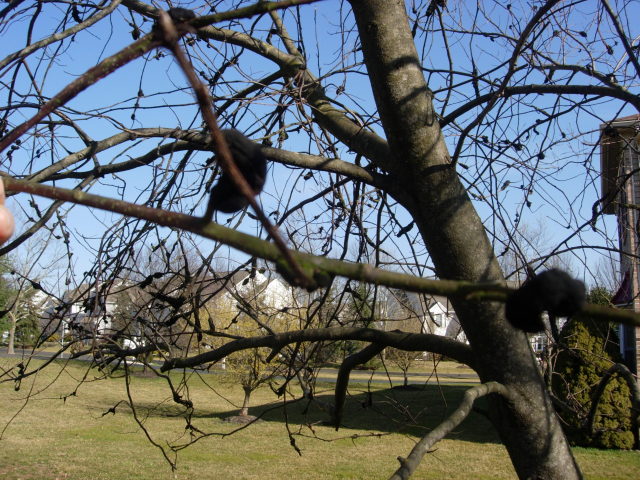
Black Knot Disease on Prunus (Plum/Cherry): Hard Black Galls on Branches—Prune or Remove Tree
Tree with black knot galls on branches Identification Hard, black, irregular swellings on branches = Black Knot (fungus Dibotryon morbosum). Affects Prunus (plum, cherry, ornamental). Galls look like insect pods but are
Sheep Manure for Apple Trees: Low Nitrogen, High P/K, Ideal Rate ~90 lbs/Tree/Year
Benefits Low nitrogen reduces fire blight risk. High phosphorus & potassium → more, better fruit. Cheaper than other manures. Weed seeds not an issue under trees. Application Rate ≈ 90 lbs (3.5–4 five-gallon buckets, ~
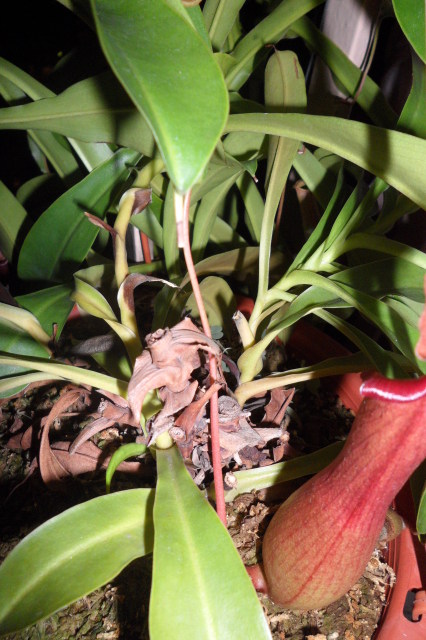
Nepenthes ventrata Leggy, Yellowing Lower Leaves: Annual Pruning, Propagation Mix, No Fertilizer
Nepenthes ventrata with weak lower stem and yellow leaves Normal Seasonal Behavior This tropical pitcher plant naturally gets leggy, stops making pitchers in cool weather, and yellows lower leaves. Your plant looks heal
Oak Tree Bark Sloughing with Gray Fungus After Drought: Hypoxylon Canker—Tree Must Be Removed
Diagnosis Mature oak in TX drought: top leaves brown/wilted (didnt fall), lower branch green, bark falling off with gray-brown fungus underneath = Hypoxylon canker. Common in drought-stressed oaks. Implication Fungus fru
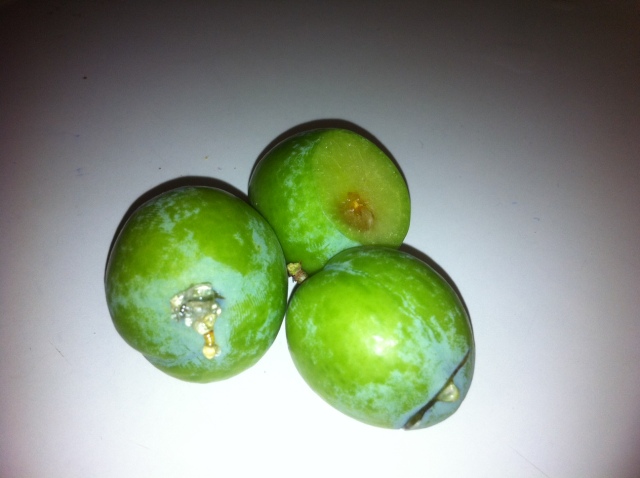
Plum Fruit Splitting and Gumming: Coryneum Blight (Shot Hole) or Codling Moth—Diagnostic Steps
October Sun plums with black spots, splitting, and gumming Key Clues Shot-hole leaf symptoms earlier (tested negative for bacterial spot & shothole bacteria). Fruit: black spots on bottom, splitting, gumming to stone.
Spider Plant Recovery After Repotting Root Damage: 3-4 Weeks for New Growth, Hold Fertilizer
Situation Divided spider plants developed root rot; owner cut rotting leaves, reduced watering for 3 weeks. Roots smell okay. Asks about recovery timeline and potassium fertilizer. Expert Advice New growth in 3–4 weeks
Gray Mold on Strawberries: Common Fungus, Low Human Risk, Manageable in Field
Pathogen Botrytis cinerea causes gray mold—ubiquitous where strawberries grow. Human Health No toxins; not a food poisoning risk. Mold spore allergies may cause hay fever in sensitive people. Rare eye/respiratory infect
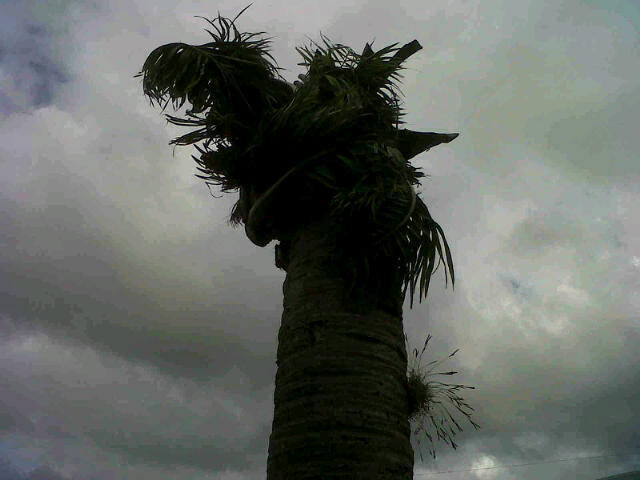
Palm tree with severe crown damage and curling leaves Diagnosis Severe crown damage, curling leaves, side shoots = crown rot from freeze injury. Palms lack secondary growth; crown death is usually fatal. Herbicide damag
Apple Foliar Spray Schedule for Commercial Orchards: Dormant to Harvest Integrated Program
Comprehensive Organic Spray Calendar For Delicious variety in commercial orchard (India context). All sprays are organic/low-toxicity. Dormant (leafless): Clean up leaves, prune, spray dormant oil every 2 weeks if pests
Copyright © www.100flowers.win Botanic Garden All Rights Reserved