

Outdoor Plant Chewing Damage: Pest ID Before Treatment
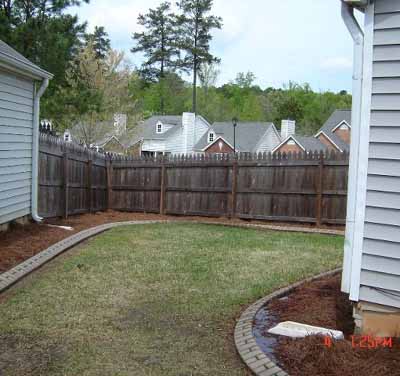
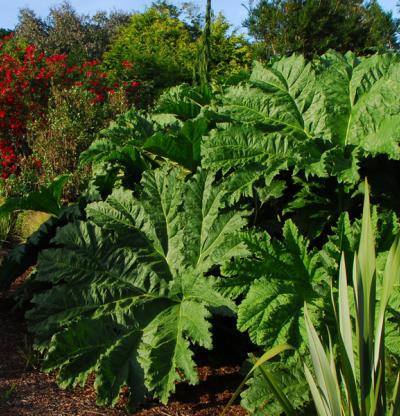
Identifying Leaf Chewers Before Spraying New homeowner with chewed leaves on unknown plants needs pest identification first—soap spray is rarely the right answer for chewing insects. Why Soap Spray Is Poor Advice Dish/

Green Giant Arborvitae Lower Branch Browning: Environmental Diagnosis
Uniform Lower Browning on Green Giant Arborvitae A 6-year-old Green Giant arborvitae (Thuja Green Giant) hedge with multiple trees showing lower branch browning/rust color has an environmental/physiological issue, not a
Rose Black Spot: Systemic + Contact Spray Strategy
Beating Black Spot on Roses: Dual-Action Approach Roses with persistent black spot (Diplocarpon rosae) despite Bayer Advanced 3-in-1 need a contact spray bridge while the systemic activates. Why Bayer Alone Isnt Working
Ponytail Palm Mealybug/Scale Infestation: Treatment Protocol
Eliminating White Fuzzy Pests on Ponytail Palm A ponytail palm (Beaucarnea recurvata) with white fuzzy, sticky growth on leaves and crown has mealybugs or soft scale—sap-feeders producing honeydew. Identification Mealy
Majesty Palm Indoor Care: Sticky Leaves, Light, Water, and Nutrition
Comprehensive Majesty Palm Rescue Plan A majesty palm (Ravenea rivularis) with browning new leaves, brown crusty stalk coating, and stickiness has two distinct problems: insects (honeydew) and cultural stress (light/wate
Deodar Cedar Decline: Water, pH, and Pest Investigation
Troubleshooting a Declining Deodar Cedar A well-established deodar cedar (Cedrus deodara) suddenly dying suggests a recent environmental change, not old age. Top Suspects in Order Excess water: Cedars demand excellent
Maple Tree Bacterial Wetwood: Sap, Insects, and Aphid Control
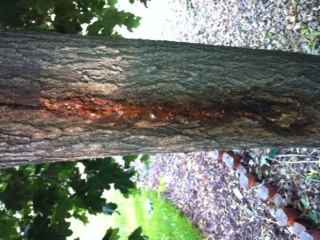
Diagnosing Maple Trunk Sap and Leaf Film A 25-year-old maple with a vertical trunk crack, sap flow, small flying insects, and waxy leaf film has bacterial wetwood (slime flux) on the trunk and aphids/scale on leaves—two
Hibiscus on a Shady Balcony: Light Adaptation and Fertilizer Tips
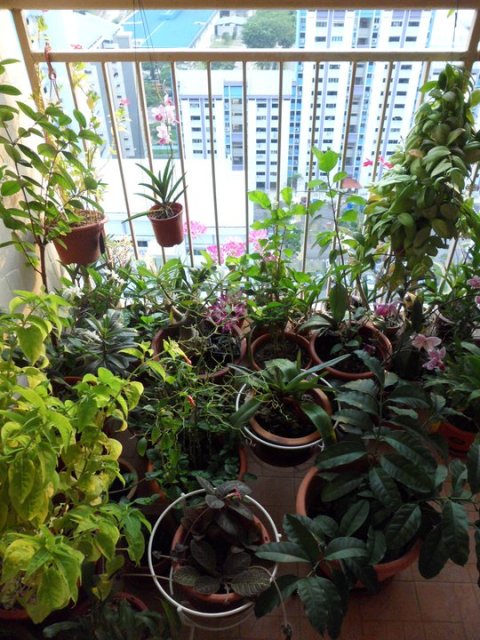
Growing Hibiscus in Limited Balcony Light A hibiscus (likely Hibiscus rosa-sinensis) on a balcony with limited direct sun can survive and flower—if expectations are adjusted and culture optimized. Assessing balcony li
Aging Fruitless Mulberry Decline: Internal Decay Management
Managing a 35-Year-Old Fruitless Mulberry in Decline A mature fruitless mulberry (Morus alba Fruitless) with dead limbs, bark cracks, and basal mushrooms at 4,500 ft elevation in Arizona shows age-related internal decay—
Mimosa Wilt: Rapid Death and Containment Strategy
Diagnosing Sudden Mimosa Death: Fusarium Wilt A 20-year-old mimosa (Albizia julibrissin) turning into a stick overnight while its neighbor thrives has mimosa wilt (Fusarium wilt)—a fatal, soil-borne vascular disease. Cl
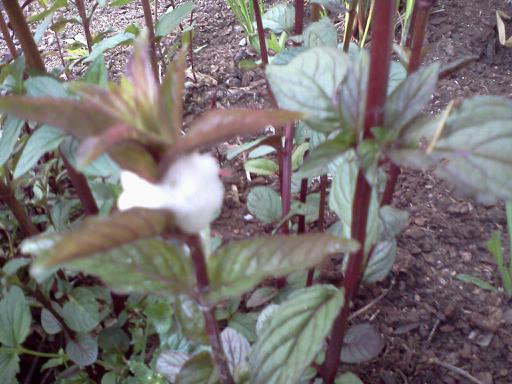
Phlox Spittlebugs and Herbicide Injury: Dual Diagnosis
Two Problems on Phlox: Spittlebugs + Herbicide Damage Phlox with yellowing bases, curling leaves, and white foam has spittlebugs (the foam) and likely herbicide injury (the yellowing/curling). Spittlebug nymphs hidden
Grape Vine Brown Rot: Fungal Disease Management
Controlling Grape Brown Rot (Likely Black Rot or Anthracnose) Grapes developing brown dots that expand to shrivel entire berries annually have a fungal fruit rot—most likely black rot (Guignardia bidwellii) or anthracnos
Willow Tree Slime Flux: Bacterial Wetwood Diagnosis
White Substance on Willow: Slime Flux, Not Just Sap A willow with white substance oozing from evenly spaced, patterned holes (¼ inch, rows) has yellow-bellied sapsucker damage complicated by slime flux (bacterial wetwood
Willow Tree Borers: Sapsucker Holes vs. Insect Damage
Decoding Willow Trunk Holes: Borers, Not Birds A willow with white substance (sawdust/sap) over holes, attributed to yellow-bellied sapsuckers, actually has borers—the birds are just exploiting them. The Real Sequence
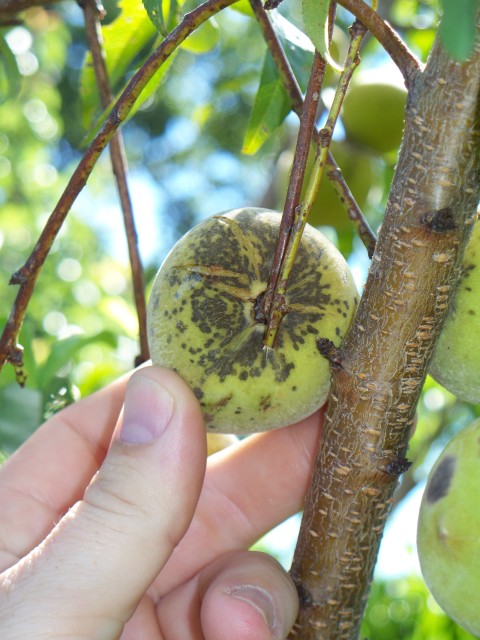
Peach Scab Identification: Fruit Spots and Pre-Harvest Management
Confirming Peach Scab on Your Fruit The spots on your peaches match peach scab (Cladosporium carpophilum)—a serious fungal disease requiring preventive management. Classic peach scab: olive-green to black velvety spot
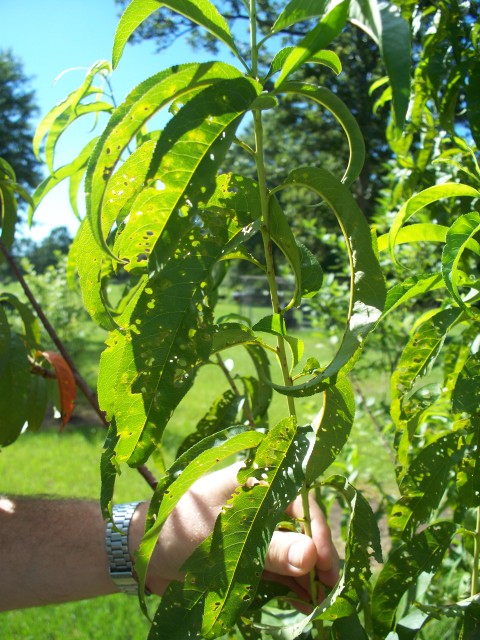
Peach Tree Leaf Holes: Insect Damage Despite No Visible Bugs
Diagnosing Shot-Hole Damage on Peach Leaves Peach tree (Prunus persica) leaves with clean holes but no visible insects have insect feeding damage—not disease. The missing insects are likely transient feeders. Typical
Fruit Tree Trunk Sap: Borer Infestation Cycle and Soil Treatment
Breaking the Borer Cycle in Your Orchard Site Sequential sap flow and death on a cherry tree, then two replacement plum trees in the same spot, confirms a resident borer population in your soil/area—not bad luck. Borer
Purple Coneflower Collapse: Wet Soil and Fungal Rot
Saving Coneflowers from Excess Rain Damage Purple coneflowers (Echinacea purpurea) thriving last year but now turning black, wilting, and dying after heavy rains are victims of waterlogged soil and fungal crown/root rot.
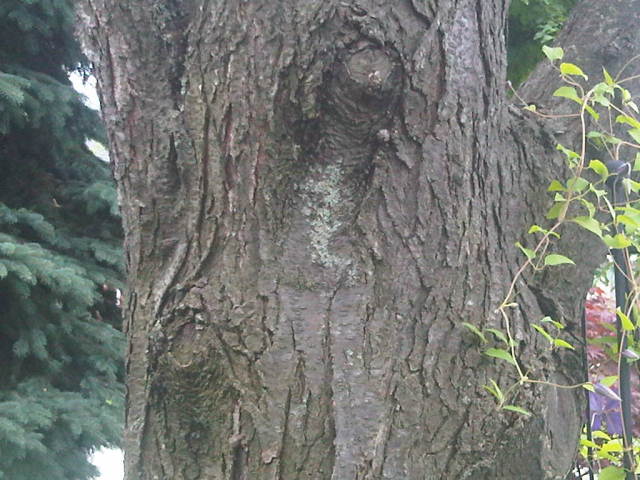
Shademaster Locust Lichen Growth: Cosmetic, Not Pathogenic
Those Moldy Branches Are Actually Lichens A 20-year-old Shademaster locust (Gleditsia triacanthos Shademaster) with thin canopy and gray-green mold on branches has lichens—not a disease. Lichen growth on locust branch
Japanese Maple Spring Leaf Damage: Herbicide Injury vs. Winter Kill
Diagnosing Crinkled, Sparse Leaves on Japanese Maple A 12-year-old Japanese maple (Acer palmatum) with bare branches and crinkled, choked leaves on others—while bark looks healthy—suggests chemical injury rather than dis
Copyright © www.100flowers.win Botanic Garden All Rights Reserved