

Fruitless Mulberry Decline: Bark Peeling, Borers, and End-of-Life Management
Fruitless mulberry trees (Morus alba Fruitless) are popular shade trees with a typical lifespan of 25-50 years. When bark begins peeling and branches die back on a 30-year-old specimen, it often signals natural decline c

Growing Pomegranates Commercially: Soil, Climate, and Planting Guide
Pomegranates are an excellent choice for commercial cultivation, offering resilience and relatively low maintenance once established. These deciduous shrubs or small trees typically reach 10-12 feet in height and thrive
Cycas revoluta (Sago Palm) Care and Identification
Your Ancient Cycad: Not a Palm, Not a Sago Your 40+ year old sago palm (narrow, stiff, vicious fronds; 4–6 caudex) is Cycas revoluta — a gymnosperm, not a palm. The Mexican variety notion is likely confusion with Dioon o
Ligustrum Decline: Beyond "Atomic Grow" Claims
Spreading Yellowing/Shriveling in Ligustrum Hedge Three of five tree ligustrums (Ligustrum lucidum or L. japonicum) with progressive yellowing/shriveling = vascular wilt or root rot, not simple pest pressure. Atomic Grow
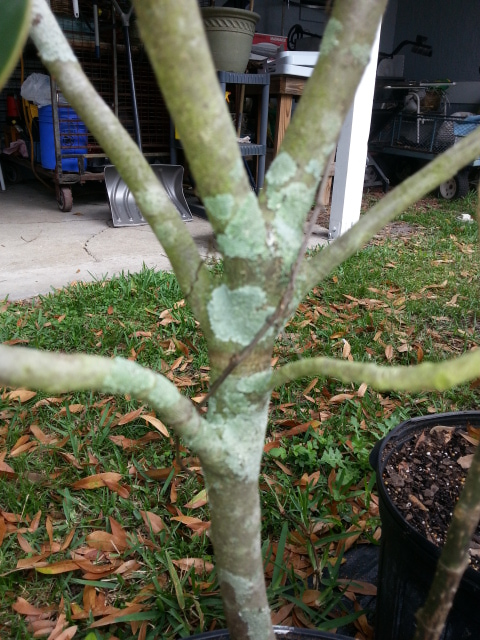
Lichens on Little Gem Magnolia: Harmless Epiphytes
Blue-Green Scale-Like Growth = Lichens, Not Disease The blueish colored scale looking stuff on your Little Gem magnolia (Magnolia grandiflora Little Gem) trunks/branches is lichens—symbiotic fungus + alga/cyanobacterium.
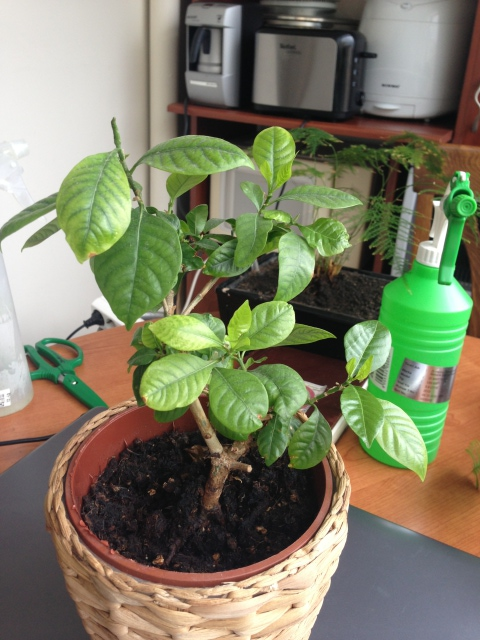
Gardenia Identification and Chlorosis Correction
Your Mystery Evergreen Is a Gardenia The plant in your photo is Gardenia jasminoides (cape jasmine)—prized for fragrant white flowers (spring/summer/sporadic) and glossy evergreen foliage. Early Chlorosis Signs Green ve
Umbrella Plant (Schefflera/Cyperus) Decline: Light, Water, and Pests
Diagnosing Umbrella Plant Shedding After Move Your 10-year-old umbrella plant (likely Schefflera actinophylla or Cyperus alternifolius) shedding leaves with wavy edges and brown scaly stem sections after a November move
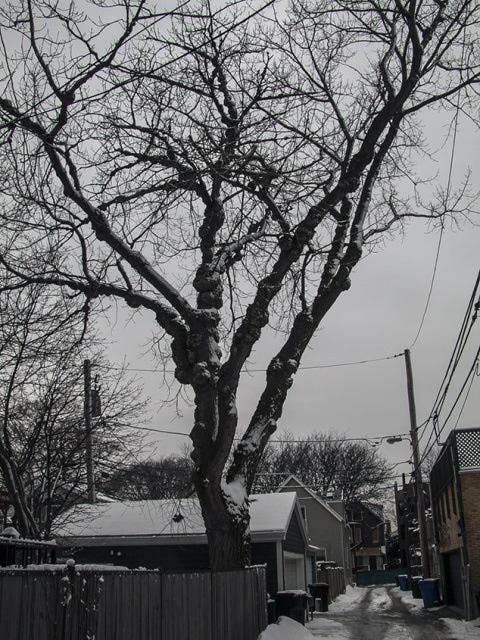
Cottonwood Crown Gall: Agrobacterium Management
Massive Bark Blisters = Crown Gall The huge blisters/galls on your Eastern cottonwood (Populus deltoides) are crown gall caused by Agrobacterium tumefaciens—a soil bacterium that genetically engineers plant cells to prod
Prairie Zinnia Bloom Timeline and Fertilization
Zinnia grandiflora: The Late-Blooming Perennial Your newly planted prairie zinnia (Zinnia grandiflora) with no flowers yet is on schedule. This native perennial blooms mid-summer to frost (July–October in most zones), no
Cape Honeysuckle Transplant Shock: Recovery Assessment
Evaluating a Struggling Tecoma capensis Transplant Your cape honeysuckle (Tecoma capensis) transplanted 2 weeks ago, flowerless, dropping leaves, but watered well = transplant shock. The critical test: stem flexibility.
Mulberry Yellow Slime: Need Photo for Diagnosis
Yellow Slime on Mulberry: Likely Bacterial Wetwood Without a photo, the most probable cause of yellow slime + wet areas on fruitless mulberry is bacterial wetwood (slime flux)—fermentative bacteria (Enterobacter, Klebsie
Mulberry Heart Rot: Managing Structural Decay in Mature Trees
Diagnosing the 15–20 ft Mulberry with Trunk Decay Your mulberry (Morus spp.) losing bark at the base (9–12 on south side), exposing interior wood, with normal canopy = heart rot/wood decay—fungal decomposition of non-liv
Aloe Rot: Water Quality, Soil, and Pathogen Diagnosis
Why Healthy Aloes Suddenly Collapse Your aloes losing roots (falling over) or turning translucent/mushy (bursting) indicate root and crown rot—usually from excess moisture despite your careful watering. Two hidden culpri
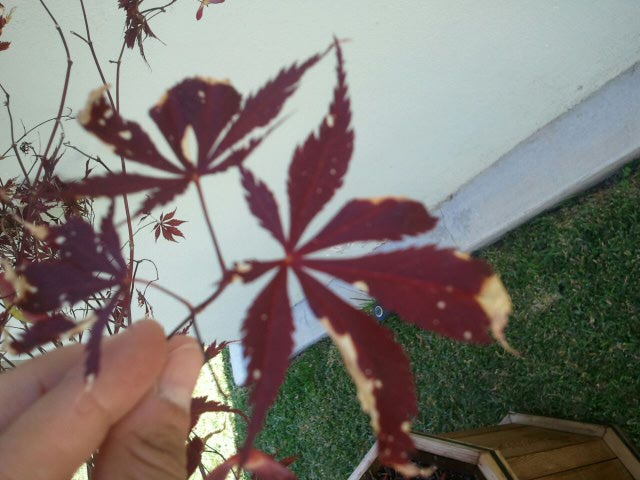
Japanese Maple Transplant Shock and Leaf Scorch
New Japanese Maple Declining After Move Your 2-week-old Japanese maple (Acer palmatum) with shriveling leaves, dead branches, and white leaf spots after transport (truck bed, 30 min, fell over) shows classic transplant s
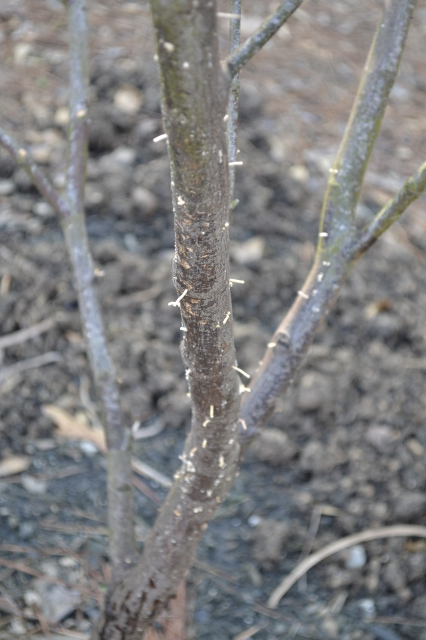
Japanese Maple White Tendrils: Ambrosia Beetle Toothpicks, Not Mold
Diagnosis: Ambrosia Beetle Thin white tendrils on branches/trunk = frass toothpicks from ambrosia beetles boring into thin bark. Not a disease. Confirmation Remove a tendril—look for tiny entrance hole at base. Google a
Boxwood Spring Yellowing: Cold Damage or Decline? Need Photo.
Common Spring Phenomenon Boxwoods often discolor (bronze/yellow) after winter cold. Usually greens up with growth. Info Needed Photo of whole shrub + close-up. Age, other boxwoods condition. If Persistent Root rot (
Ornamental Plum Chlorosis: Iron Deficiency or Soil Problem?
Diagnosing Pale Leaves on Flowering Plum Your fruitless plum (Prunus cerasifera Newport or similar) showing white/pink leaves instead of deep purple has chlorosis—chlorophyll deficiency. The purple anthocyanin pigment re
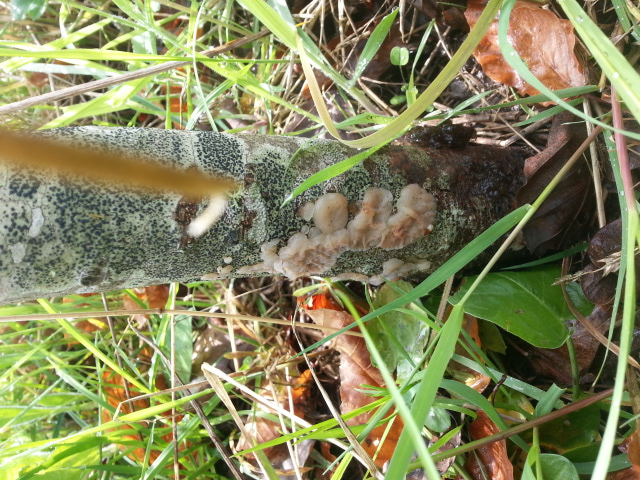
Beech Hedge Death: Secondary Fungus, Primary Bark Injury Suspected
Fungus Is Secondary Waxy melted wax growth on dead plants = basidiomycete fungus invading after something else killed the plant. Find the Primary Cause Inspect lower 2 ft of trunks on dead plants. Look for bark injury
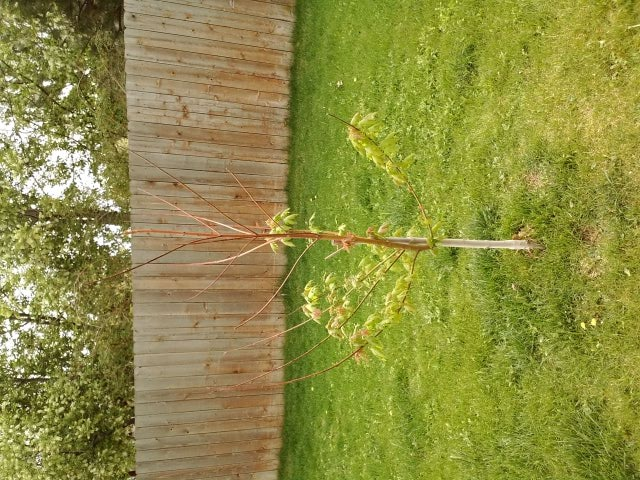
Maple Tree Top Dieback: Root Competition and Mulch Solution
Root Problem Confirmed Top dead, bottom vigorous = roots cant support full canopy. Likely grass/weed competition for water/nutrients. Solution Remove vegetation 2-ft radius around trunk. Apply pine straw mulch 2–3 deep
Black Walnut Fern-Like Growth: Harmless Lichens, Not a Disease
Identification Fern-type growth on trunk and limbs = lichens. Epiphytes—air-fed, not parasitic. Slight negative effect only if canopy very thin. Management If canopy full and green: ignore. Fertilize: 10-10-10 at 1 lb/
Copyright © www.100flowers.win Botanic Garden All Rights Reserved