


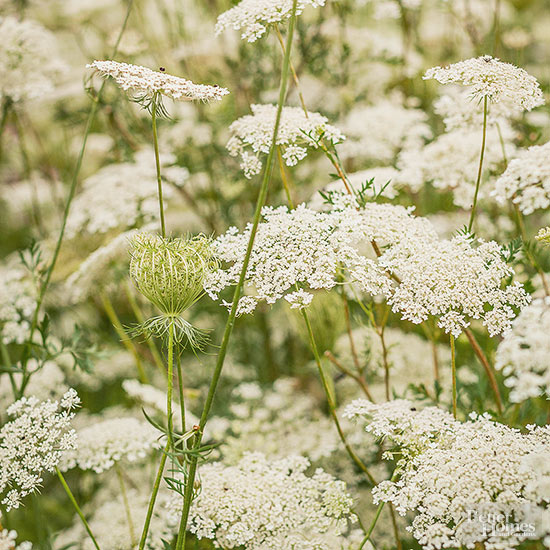
From your description, you likely mean wild parsnip (Pastinaca sativa), a biennial from Europe/Asia naturalized in the US, common in abandoned fields, roadsides, and disturbed areas. White/yellow umbel flowers bloom May–October, producing many seeds. It causes burn-like reactions (phytophotodermatitis) when sap contacts skin and is exposed to sunlight—especially bad when weed-whacked as plant bits fly. The chemicals are psoralens. Wild parsnip is related to edible parsnip.
If widespread, cover up thoroughly, mow down, then apply herbicide like Roundup. For non-chemical control, smother with black plastic for a season during hot weather. Clean all equipment afterward with rubber gloves.
Trifluralin vs. Roundup for Rose Bed Weed Control: Safer Application Methods
Umbrella Plant (Schefflera) Toxicity and Child Safety
Asian Lilies Are Toxic to Cats: Immediate Veterinary Care Needed
Identifying a Giant Corn-Like Plant in a Florida Backyard
Mystery Stalk with Substantial Trunk in Western New York
Lily-Like Leaves but No Flowers: Why Patience Is Key for Plant ID
Ornamental Pokeweed (Phytolacca): Showy Berries but Still Poisonous
Queen Palm "Scurf" Confusion: Sooty Mold or Scale? Expert Pushes Atomic Grow
Nepenthes Shock After Shipping: Humidity Acclimation with Bag Method
Azalea Houseplants: Seasonal Blooms, Not Garden Hardy
Marble Queen Pothos (Epipremnum aureum): Green-and-White Trailing Classic
Poisonous House Plants: Safety Guide for Homes with Pets & Children
Are Stargazer Lilies Poisonous? Cat Toxicity & Safety Guide
Toxic Houseplants: Identification and Safety for Homes with Children and Pets
Copyright © www.100flowers.win Botanic Garden All Rights Reserved