
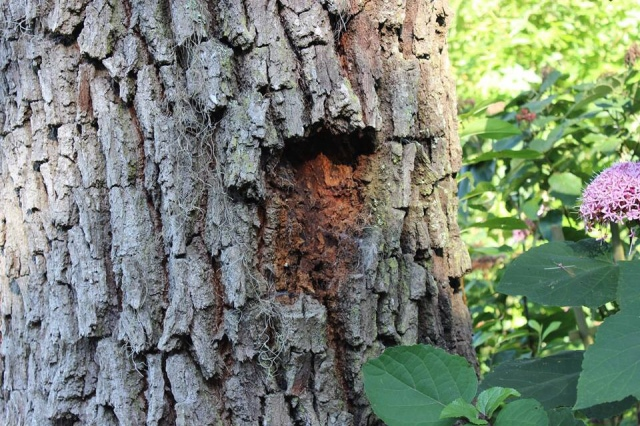
Live Oak Bark Damage: Borer Diagnosis and Vigor Restoration
Not Smooth Patch or Heart Rot Localized bark loss with apparent insect entry = borer damage. Decay fungi may follow but work slowly (decades). Not an immediate hazard. Treatment Plan Spray Merit or Onyx on affected are

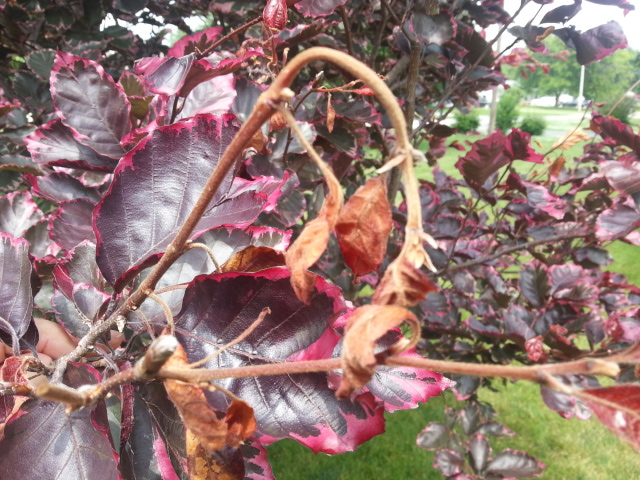
Tricolor Beech Leaf Curl: Aphids, Leaf Scorch, or Sun Reaction?
Three Possibilities Aphids on new growth cause curling. Test: tap branch over white paper. Leaf scorch (bacterial) via leafhoppers—usually broader leaf damage. Sun/heat stress on tender new growth—temporary, not harmful

Tibouchina Decline: Overwatering Diagnosis and Pruning Recovery
Clear Signs of Too Much Water Leaf loss, drooping remaining leaves with brown areas, leggy stems = root suffocation from overwatering. Yellow = not enough water; brown = too much. Recovery Steps Reduce watering signifi
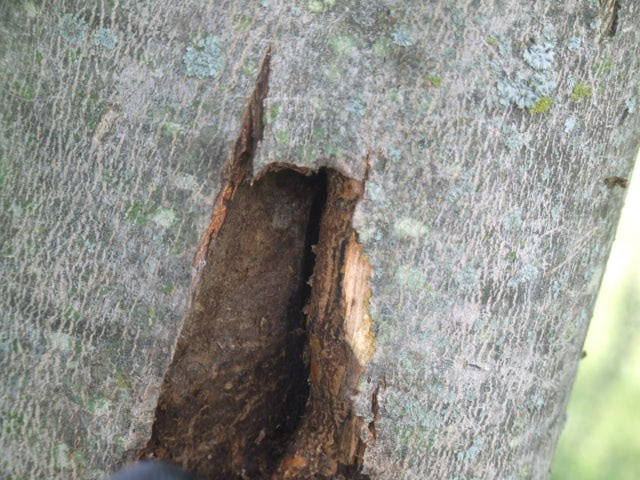
Advanced Maple Trunk Decay: No Magic Bullet, Focus on Vigor and Safety
Decay Is Irreversible Soft, crumbly wood behind bark with upward crack = active wood decay. Earwigs are secondary. No caulk, cement, or wax stops fungal progression once established. Management Options Promote vigor: S
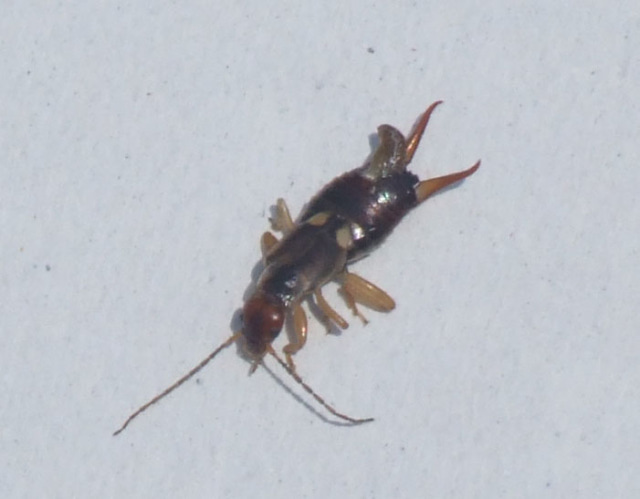
Autumn Blaze Maple Borer Damage: Earwigs Secondary, Merit Treatment and Fertilization
Earwigs Are Not the Primary Pest Earwigs in borer holes are scavengers on fungus. The borer beetle caused the hollow bark and inner wood damage. Treatment Protocol Spray Merit (imidacloprid) or Onyx on trunk and wound.
Best Book for Forest Tree Disease Identification: Diseases of Trees and Shrubs
Top Recommendation Diseases of Trees and Shrubs by Sinclair et al. (Cornell University Press) — comprehensive, illustrated, covers US trees. Link Treatment Info No single book stays current on treatments (products chang
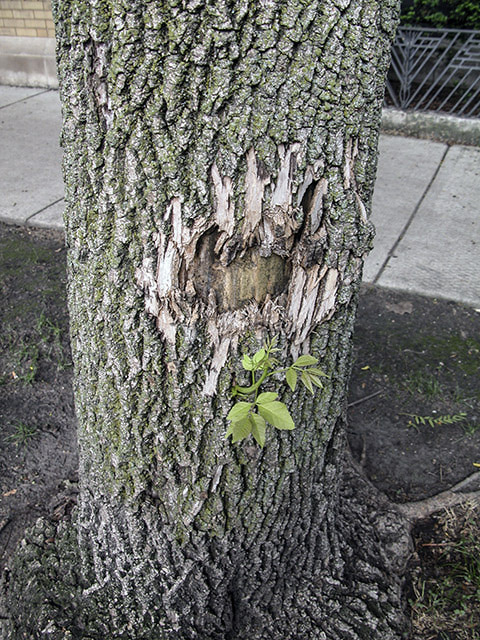
Elm Mechanical Injury: Water Sprout Response and Healing Promotion
Water Sprouts = Normal Stress Response Branch growing near wound = compensatory growth. Can be pruned off without harm. Best Healing Strategy No wound paint—some trap moisture, increase decay. Promote vigor: Soil-test-
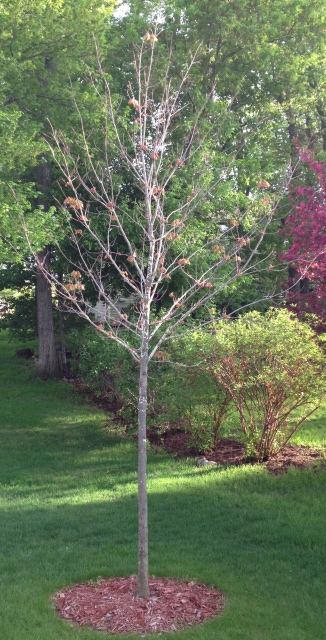
Sugar Maple White Spots: Harmless Lichens, Real Issue Likely Planting or Herbicide
White Spots = Lichens The white bark spots are lichens—symbiotic algae/fungus, harmless, not a disease. They indicate good air quality and thin canopy. Real Concerns Herbicide damage: Weed and Feed near tree kills root
Crape Myrtle Bark Bumps and Ooze: Need Photo for Diagnosis
Possible Causes Borer insects—entry holes with sap flow. Slime flux (bacterial wetwood)—fermenting smell, attracts insects. Physical injury with sap response. Next Step Send clear close-up photos of bumps and ooze. In
Sudden Death of Currant Bush: Root Rot or Stem Disease?
Rapid Branch-by-Branch Dieback Green but crispy leaves dying in 2 days per branch over 2 weeks suggests vascular wilt—root rot (Phytophthora) or stem canker moving up branches. Diagnostic Clues Brown vertical striation
Newly Planted Aspen Transplant Shock: Correct Watering Technique
The Problem: Daily Light Watering Watering a few minutes daily creates shallow, soggy soil—transplant shock symptoms: soft wilted leaves and crispy dead ones simultaneously. Correct Establishment Watering At planting:
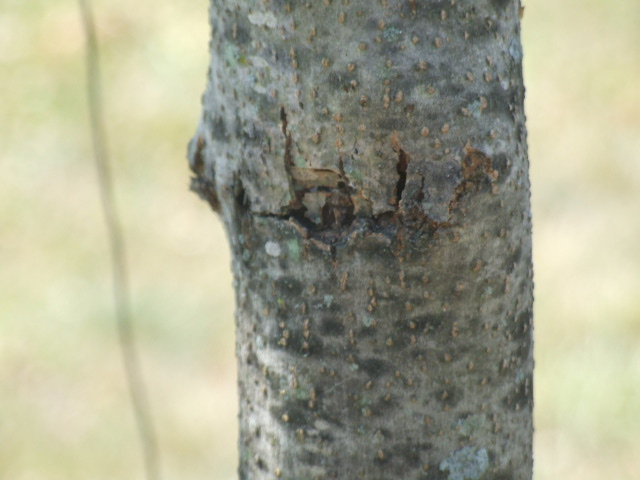
Ash Tree Sap Sucker Damage and Normal Bark Aging
Sap Sucker Holes Three nail-like holes in a row, later enlarging with bark splitting = yellow-bellied sap sucker (woodpecker) feeding. Tree is compartmentalizing—bulge = healing callus. Vertical Bark Cracks Cracks on as
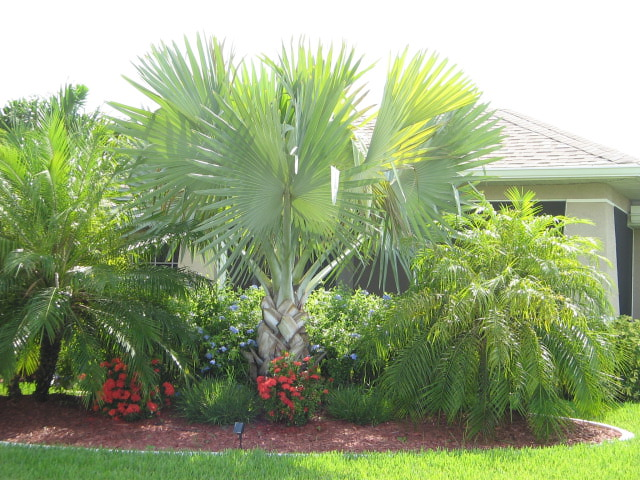
Bismarck Palm Frizzle Top: Nutrient Deficiency in Sandy Soil
Diagnosis: Frizzle Top Newest fronds browning, ripping from midrib, hanging down = frizzle top, a nutrient disorder common in palms on sandy soil. Magnesium and/or manganese deficiency. Action Steps Soil test via count
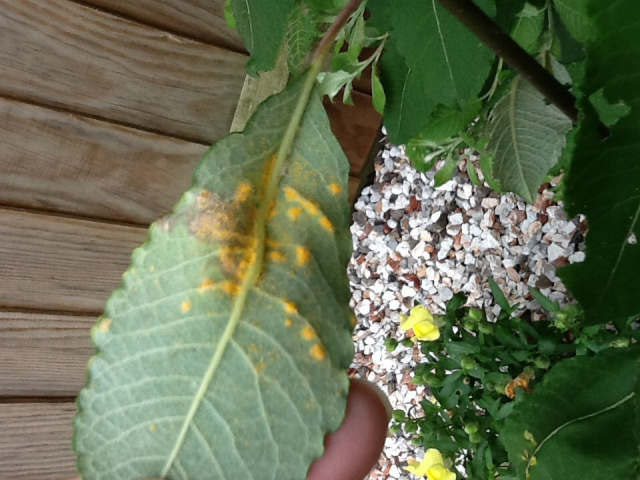
Pussy Willow Rust and Caterpillars: Dual Treatment for Fungus and Insects
Two Separate Problems Yellow powder on leaf undersides = Rust (fungal). Lemon-yellow spots become spore pustules. Can defoliate young trees. Caterpillar feeding on leaves. Treatment Plan Rust: Collect/destroy fallen
Plum Tree Jelly Exudate: Borer Activity and Organic Needle Treatment
Diagnosis: Borers Jelly-like sap on trunk and limbs = borer larvae tunneling in cambium. The sap is the trees defense response. Organic Mechanical Control Insert a fine sewing needle into each jelly spot to pierce the l
Nursery-Wide Aphid and Sooty Mold Outbreak: Effective Insecticide Rotation
Why Sevin Fails Carbaryl (Sevin) is poor against aphids. It also kills beneficial predators, worsening outbreaks. Recommended Active Ingredients Imidacloprid (systemic, soil drench) Acephate (translaminar foliar) Bifen
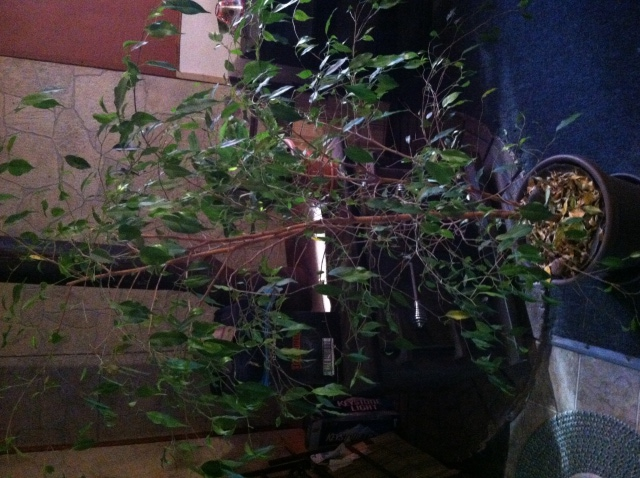
Ficus Decline After Repotting: Miracle-Gro Toxicity and Organic Recovery
Two Critical Errors Watering the center of the new pot drowns roots before they reach the edges. Water the outer rim to encourage root exploration. Miracle-Gro potting soil contains synthetic salts that accumulate, caus
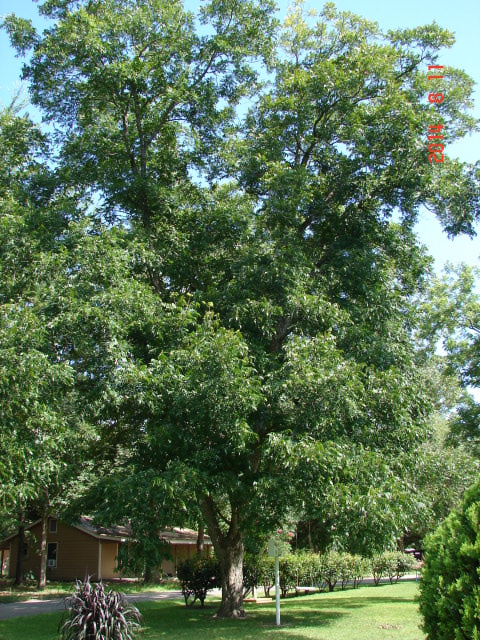
Pecan Tree Black Nuts and Spider Webbing: Phytophthora Root Rot and Harmless Barklice
Black Pecans = Phytophthora Root Rot Paper-shell pecans turning black and dropping by hundreds indicate Phytophthora cactorum—a root rot pathogen. Despite sandy soil and low rain, the tree may have poor internal drainage
Lilac Borer Infestation: Diagnosing Without Photos and Treatment Options
Likely Culprit: Borer Insects Wood pieces at base + curled leaves + small holes = lilac borer (or similar clearwing borer) larvae tunneling in stems. Diagnostic Steps Without Photos Take affected stem samples to a loca
Black Slime Mold Identification: A Call for Photo Submission
What You Found Delicate, touch-dissolving black slime mold on a mushroom hunt in Western Massachusetts is likely a myxomycete (plasmodial slime mold)—fascinating, harmless organisms. How to Get Expert ID Send a clear ph
Copyright © www.100flowers.win Botanic Garden All Rights Reserved