

Honeylocust Dropping “Seeds” and Thinning: Insect Frass, Not Seeds
A 13-year-old honeylocust has dropped brown “seeds” for two years; this year the mess is heavy and the canopy is thin with many bare branches. Insect Droppings, Not Seeds The brown material is likely insect frass (droppi

Wilted Crepe Myrtle: Likely Root Rot, Not Bark Shedding
An 8–10-year-old crepe myrtle leafed out late; leaves are wilted, dull, and no insects are visible. Bark shedding is noted but is normal for mature crepe myrtles (exfoliating bark). Root Rot Suspected Late leaf-out and w
Declining Aristocrat Pear: Root Issues Need On-Site Evaluation
One of two 20-year-old Aristocrat pears is stunted (18 ft vs. 30 ft), with sparse foliage only at branch tips, green trunk with light moss, and blackish upper branches. The healthy tree suggests a site-specific problem.
Leaf Folding on Weeping Cherry: Caterpillars, Not Mites
A 2–3-year-old weeping cherry has pairs of leaves folded together, one leaf curled and rotting. Tiny white “mites” were seen, but true mites are nearly invisible without magnification. The folded leaves point to leaf-rol
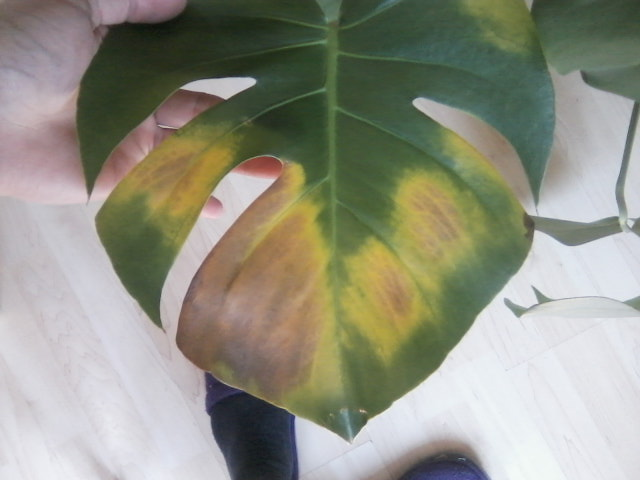
Yellowing Leaves and Fungus Gnats in Container Plants
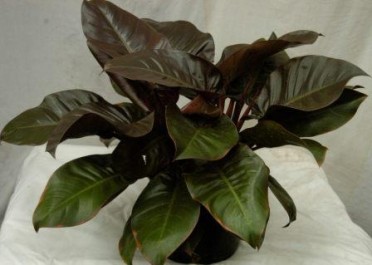
A lemon seedling and a tropical plant (likely philodendron) show yellowing leaves. Standing water was noted in the pot’s saucer. The lemon plant previously had tiny gray jumping bugs in the soil—identified as fungus gnat
Troubleshooting Swamp Milkweed: Spider Mites, Aphids, and Webbing
Two-year-old swamp milkweed seedlings developed small yellow spots spreading from leaf bases, followed by browning, curling leaves and fine webbing on stems last year. The problem has returned earlier this season. Yellow
Reviving a Struggling Butterfly Bush: Sunlight, Pruning, and Care Tips
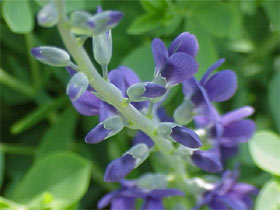
An eight-year-old Dark Knight butterfly bush has been declining for a couple of years, showing droopy leaves and sparse blooms. This season, leaves on one side are yellowing and dropping, despite no visible pests, adequa
Lemon Tree Springtails: Tiny Jumping Pests in Damp Conditions
Lemon tree with tiny (1mm), wingless, jumping, gray-shiny armored bugs — springtails (Collembola), moisture-loving, harmless to plants but indicate overwatering. Springtail Biology Not insects (class Collembola) — prim
Corn Plant (Dracaena) Stem Rot: Soft Rot Bacteria from Insect Wound
6-ft Dracaena fragrans with moldy smell from one stalk, holes in new growth after porch exposure — insect chewing created wound → soft rot bacteria (Erwinia/Pectobacterium) invasion. Disease Process Outdoor placement →
Fig Tree Trunk Fungus: Atomic Grow for Nematode and Fungal Management
Fig Tree Trunk Fungus: Atomic Grow for Nematode and Fungal Management Texas fig tree with recurring heavy, dense fungus on trunk, soft wood underneath — Atomic Grow (AG) biostimulant for fungal suppression and nematode m
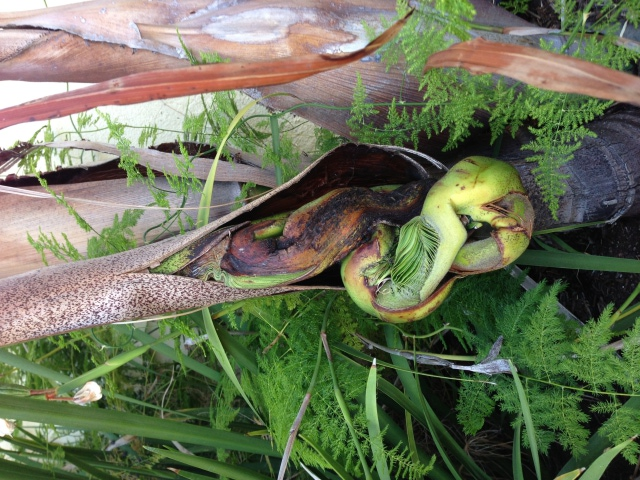
King Palm Volunteer: Seedling in Trunk Split from Bird/Storm Deposition
King palm (Archontophoenix) with seedling emerging from trunk split — bird or storm deposited seed in crack, germinated in accumulated debris, now splitting trunk further. Origin Scenarios Bird deposition: Bird drops s
Crape Myrtle Establishment: Overwatering Correction and Fungal Prevention
New Virginia crape myrtles (Lagerstroemia) with yellow/orange spotted leaves from daily watering + soil food sticks — overwatering causing root stress and fungal leaf spot. Diagnosis Daily watering = waterlogged roots,
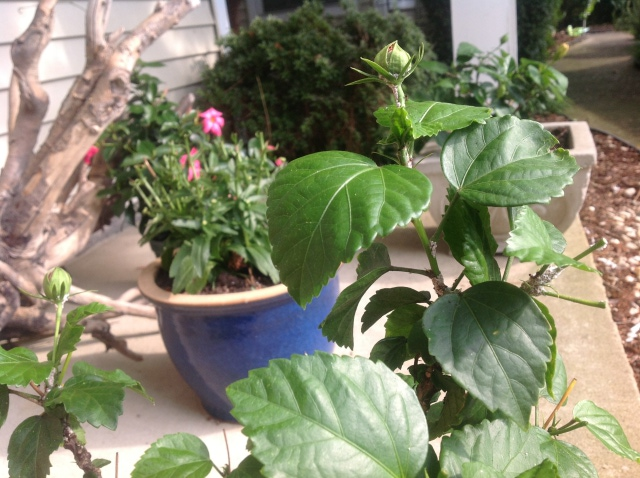
Hibiscus White Pest Complex: Atomic Grow Organic Health Approach
Virginia hibiscus with spreading white stem coating (powdery + flat oval shapes) attracting ants — likely mealybugs or scale with sooty mold. Atomic Grow biostimulant for plant health enhancement. Pest Identification F
Knockout Rose Black Spot: Copper Failure, Aggressive Fungicide Rescue
6-year-old Knockout roses in Ohio with black spot after wet spring — copper fungicide failed. Requires sanitation + stronger fungicide (mancozeb, chlorothalonil, trifloxystrobin, Funginex). Why Copper Failed Copper = p
Heirloom Tomato Lower Leaf Yellowing: Septoria vs. Bacterial Spot in Organic System
Experienced CT organic gardener with 35 heirloom tomato varieties showing bottom-up leaf curl/yellowing after torrential rains—likely Septoria leaf spot or bacterial spot, managed culturally in no-spray system. Differen
Cleveland Pear Beetle Defoliation: Night-Feeding Beetle Control
New Ohio Cleveland pears (Pyrus calleryana Cleveland Select) with leaf feeding unresponsive to Sevin after heavy rain—night-feeding beetles (not caterpillars) requiring persistent spray or systemic. Beetle Identificatio
Indian Hawthorn Entomosporium: Aggressive Fungicide and Sanitation Protocol
Indian hawthorns with 70% defoliation from Entomosporium leaf spot—requires strong fungicide (chlorothalonil, propiconazole, thiophanate-methyl) + rigorous sanitation. Treatment Protocol Cleanup FIRST: Remove all falle
Weeping Willow Red Growths: Cankers, Galls, Borers - Multi-Threat Diagnosis
Two weeping willows with red spines on roots/trunk—multiple possible causes requiring local expert ID: poplar borer, Cytospora canker, Agrobacterium crown gall, or fungal canker complexes. Differential Diagnosis CauseS
Colorado Blue Spruce Shade Dieback: Irreversible in Conifers
35-ft Colorado blue spruce shaded by adjacent holly—dead lower branches on shaded side will NEVER regrow. Conifers lack adventitious bud capacity on old wood. Conifer vs. Hardwood Regeneration Hardwoods: Epicormic buds
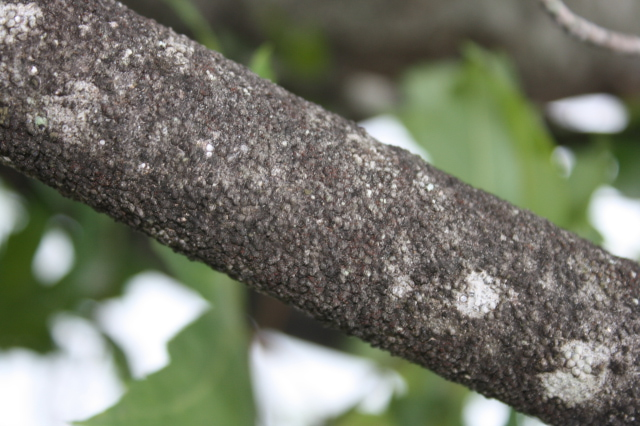
Red Maple Dual Issue: Phyllosticta Leaf Spot and Harmless Lichens
North Carolina red maples with branch dieback, dark rough coating (lichens), and leaf spots—two separate issues: fungal leaf spot (Phyllosticta) and benign lichens on declining branches. Issue 1: Phyllosticta Leaf Spot
Copyright © www.100flowers.win Botanic Garden All Rights Reserved