
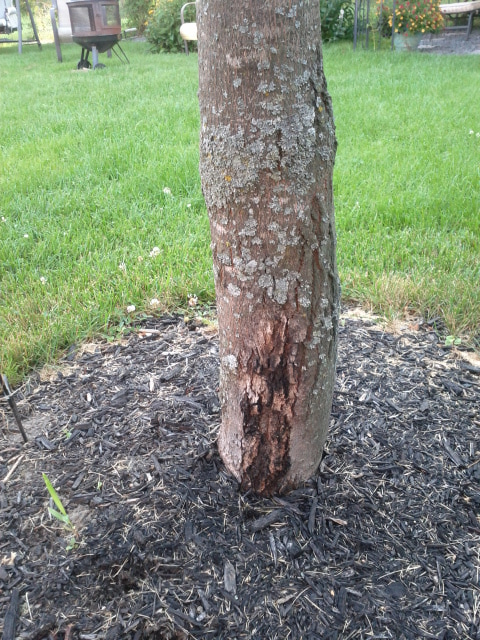
Maple Borer Damage in Toronto: Imidacloprid Treatment and Wire Method
12-year-old Toronto maple with wet trunk wound, borer activity, canopy decline—active infestation requiring imidacloprid (Merit/Onyx) or mechanical wire control + fertilization. Borer Diagnosis Confirmed Wet wound = ac


Japanese Maple Borer Infestation: Emergency Spinosad/Neem Treatment
5-year-old Japanese maple with bark damage, dark bugs underneath—active borer infestation requiring immediate organic treatment and sanitation. Emergency Protocol Inspect entire trunk for loose bark, remove, clean debr
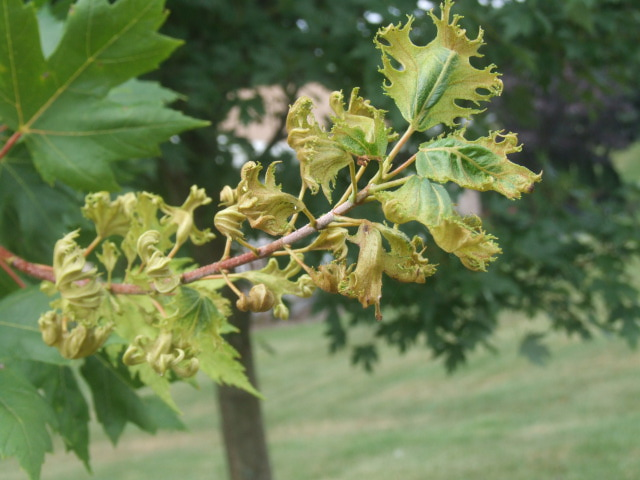
Autumn Blaze Maple Leaf Scorch: Heat Wave Management and Recovery
Autumn Blaze maples in PA with rigid, curled, pale green leaves on sun-exposed tree after 3 weeks of 100°F days/80°F nights—classic leaf scorch from root water uptake inability, not disease. Leaf Scorch Physiology roo
Dwarf Yaupon Holly "Donut" Dieback: Environmental Stress Pattern
Dallas dwarf yaupon hollies (Ilex vomitoria Nana) with green center, black ring, green outer growth—environmental stress pattern (heat/drought), not infectious disease. Pattern Analysis Concentric donut = growth flushe
Pin Oak Leaf Galls: Harmless Wasp Galls, No Treatment Needed
Pin oak (Quercus palustris) with brown fuzzy balls along leaf midribs—leaf galls from tiny cynipid wasps. Cosmetic only, no health impact. Gall Biology Wasp lays egg → plant forms protective gall around larva Many gall
Weeping Cherry (Not Willow) Waterlogging: Prune Dead, No Fungicide
Alabama weeping cherry (Prunus, not Salix) with top dieback, basal vigor after heavy rain—waterlogging, not fungus. Prune dead wood; no fungicide needed. Diagnosis Top dead, bottom alive = root zone stress (wet soil →
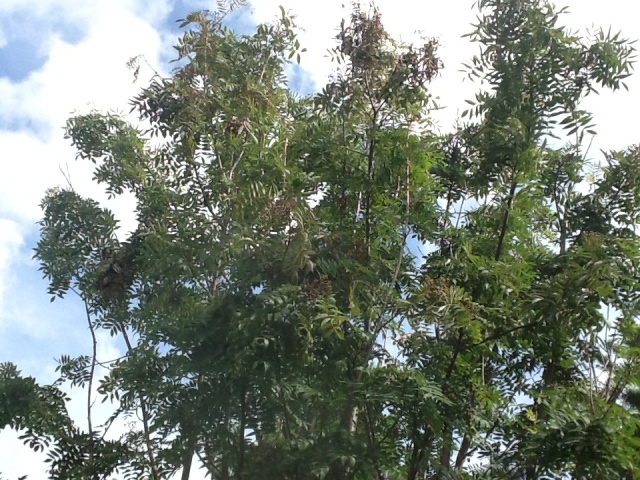
Mountain Ash Berry Failure and Tip Dieback: Pollination and Twig Borer
Central Alberta Mountain Ash with flowers but no berries + annual tip dieback—likely pollination issue (self-sterile?) and twig borer infestation. Berry Failure Many Sorbus require cross-pollination (different cultivar
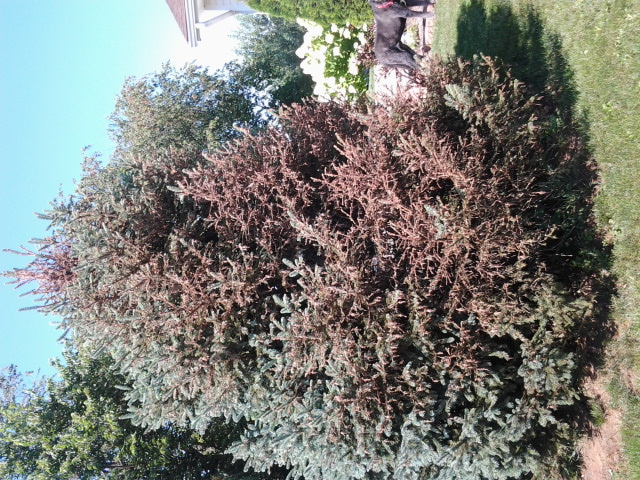
Spruce Sudden Dieback: Rapid Decline Assessment Needed
14-year-old spruce with bottom-to-top north-side dieback in 5 days (Ohio, cool wet summer)—too fast for typical disease, suggests vascular event or chemical exposure. Speed Analysis Typical fungal dieback: months to ye
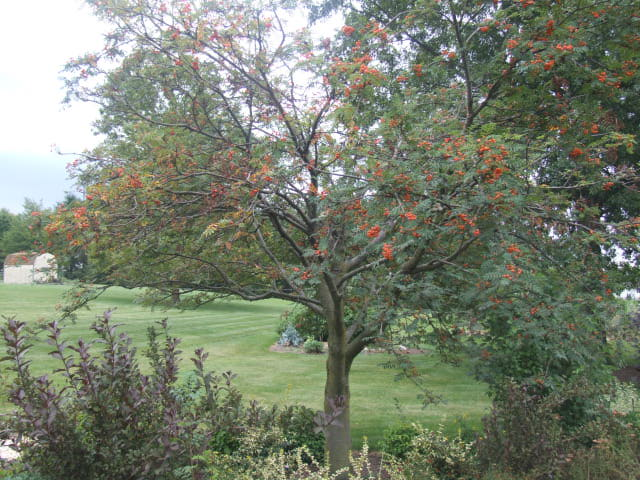
Mountain Ash Decline: Dead Man's Fingers Fungus, Suckers, and Replacement Strategy
35-year-old Mountain Ash (Sorbus) with black Dead Mans Fingers (Xylaria) fungus at base, bark loss, heavy suckering, and woodpecker damage—advanced root/trunk rot requiring removal planning. Xylaria Diagnosis Black, fi
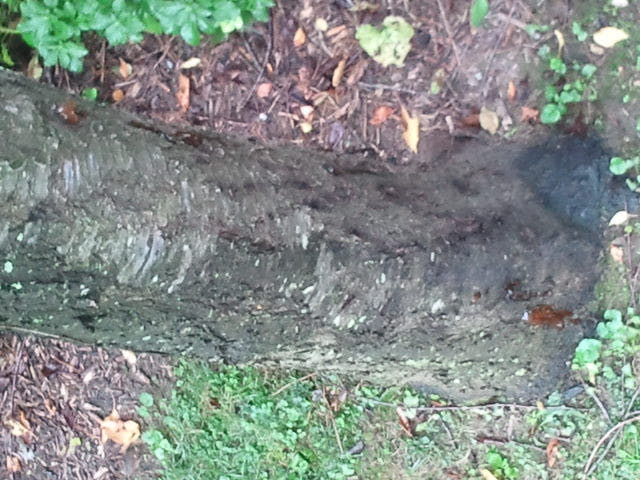
Weeping Cherry Gummosis: Borer Management and Fruit Production
7-year-old weeping cherry with basal/trunk sap (gummosis) and first-ever fruit crop—likely borer (plum curculio) damage, not canker. Tree can be saved with borer protection. Gummosis Causes Borers: Plum curculio, peach
Cotoneaster Hedge: Spider Mites and Powdery Mildew, Not Spiders
Cotoneaster hedge with dead sections, powdery mildew, and spider webbing—spiders are predators hunting real pests (mites/aphids). Sevin ineffective and harmful. Real Problems Spider mites: Cause bronzing, webbing, deat
Reviving a Dwarf Japanese Maple: Solving Leaf Color Change and Dry Tips
You bought a beautiful dwarf Japanese maple with crimson leaves, but within weeks the foliage has turned green and the leaf tips look dry and crispy. Youve been watering and fertilizing regularly, yet the tree isnt thriv
Dwarf Japanese Maple Leaf Color Change: Sun Exposure and Watering
7-week-old dwarf Japanese maple: crimson → green leaves + dry tips = shade-induced color loss + underwatering. Nursery sun → garden shade = chlorophyll increase (green). Color Physiology Anthocyanins (red) protect from
Forsythia Dieback: Stem Splits, Borers, and Wet Soil Management
Established forsythia with one-sided browning, split centers, and wilting after excessive VA rain—stem splits/borers/galls causing hydraulic failure, not whole-plant disease. Diagnostic Investigation Trace wilted stems
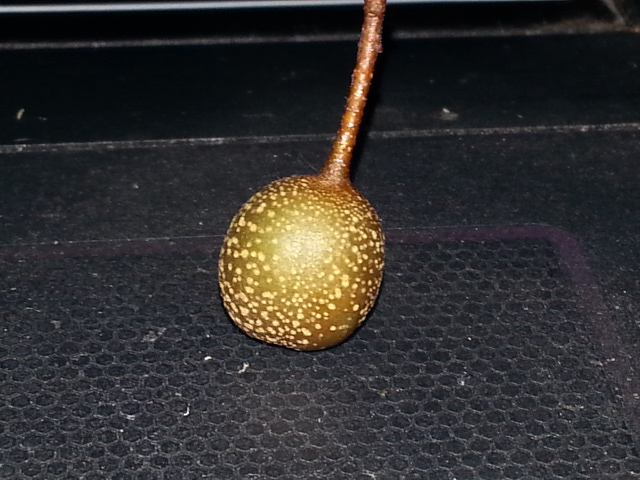
Asian Pear Rootstock Suckers: Identification and Removal
Berry bushes beside Asian pear trees producing tiny brown fruits—rootstock suckers (likely Pyrus calleryana or P. betulifolia), NOT hybrid or disease. Must remove to save grafted variety. Grafting Reality Asian pears gr
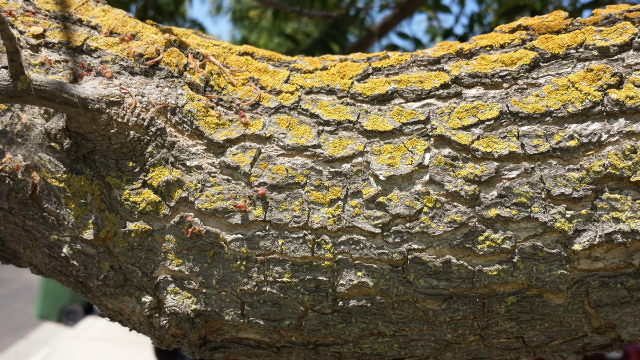
Chinese Pistache Lichen Growth: Symptom of Decline, Not Cause
Chinese pistache with sparse foliage/berries, yellow crusty bark growth (lichens), drying appearance—lichens indicate decline, dont cause it. Fertilizer/water didnt help. Lichen Biology Symbiotic algae + fungi—photosyn
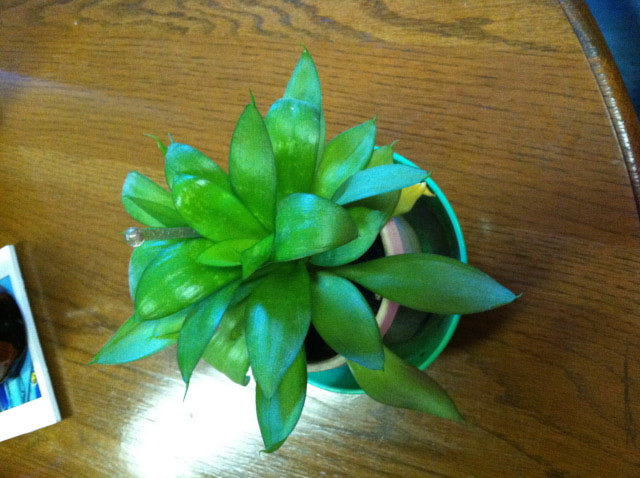
Snake Plant (Sansevieria) Root System Care: Watering, Salt, and Repotting
25-year-old miniature snake plant collapsed—entire plant pulled out with minimal roots. Shallow root system + overwatering/salt buildup = root rot and collapse. Root System Reality Sansevieria have naturally shallow, sp
Fruitless Mulberry Decline Signs: Dead Branches and Loose Bark
Fruitless mulberry with dead branches and lifting bark 2 years post-pruning—indicators of internal heartwood decay and progressive decline in aging tree. Decline Indicators Dead branches + loose bark = decay in main st
Poplar Tree Decay: Irreversible Heart Rot and Structural Risk
Poplar with blackened, pockmarked bark at branch junction, progressive limb loss over years—advanced internal decay from microbial succession (bacteria → fungi), irreversible and structurally hazardous. Decay Progressio
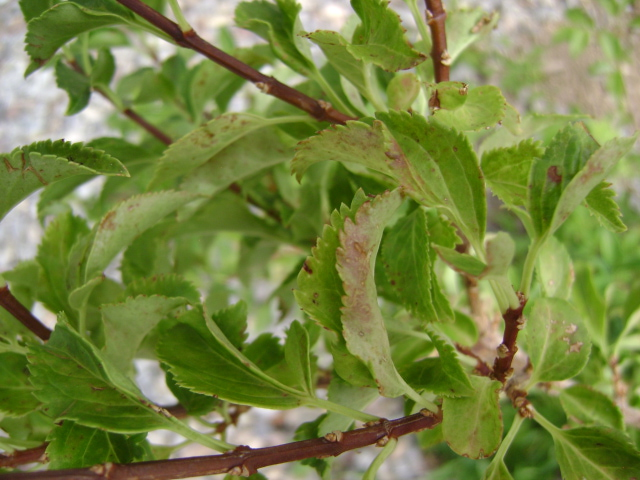
Forsythia Leaf Spots: Environmental Injury, Not Rust Disease
Newly planted dwarf forsythia in NM with rust-colored leaf spots after rainy month in drought—environmental injury, not rust fungus. Watering 3x/week may be excessive for clay soil. Why Not Rust Rust = powdery orange p
Copyright © www.100flowers.win Botanic Garden All Rights Reserved