

Weeping Cherry Gummosis: Identifying and Managing Sap-Like Ooze
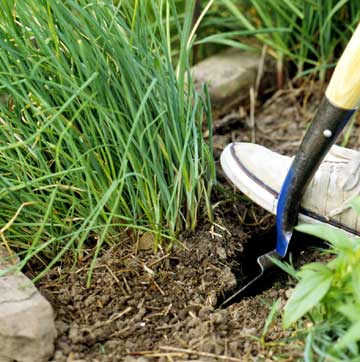
What Is Gummosis? The jelly-like substance on your 10-year-old weeping cherry trunks is gummosis—a symptom, not a disease itself. Its often triggered by Phytophthora fungus entering through wounds (mower damage, sun scal

Saving a Pinky Winky Hydrangea from Cercospora Leaf Spot
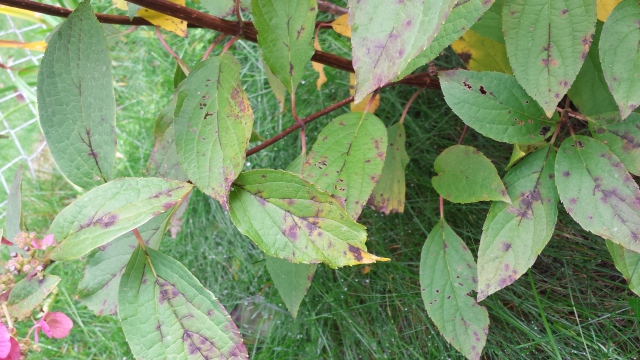
Diagnosis Confirmed The spots on your one-year-old Pinky Winky hydrangea are classic Cercospora leaf spot—a common, treatable fungal disease. Step-by-Step Treatment Purchase fungicide with propiconazole or chlorothalon
Variegated Holly Leaf Discoloration: Treating Fungal Leaf Spot
Identifying the Problem Reddish-yellow blotches on mature leaves of variegated holly typically indicate fungal leaf spot, often caused by Cercospora species. New leaves naturally emerge reddish, but established leaves ch
Ligustrum Leaf Issues: Diagnosing Tiny Leaves and Browning in Florida
Two Likely Culprits Tiny, clustered leaves that turn brown suggest either root rot from overwatering or an insect infestation (common on ligustrum) stunting leaf development. Ligustrums are prone to aphids, scale, and wh
Weeping Queen Palm Crown Drip: Assessing Sap Exudate and Tree Health
What the Dripping Liquid Means A thin, odorless, non-sticky liquid seeping from the crown of mature Queen palms is likely sap exudate from a wound or natural opening in the trunk. This can occur after pruning, storm dama
Troubleshooting Tomato Leaf Discoloration and Stunting: Nutrients, Nematodes, and Viruses
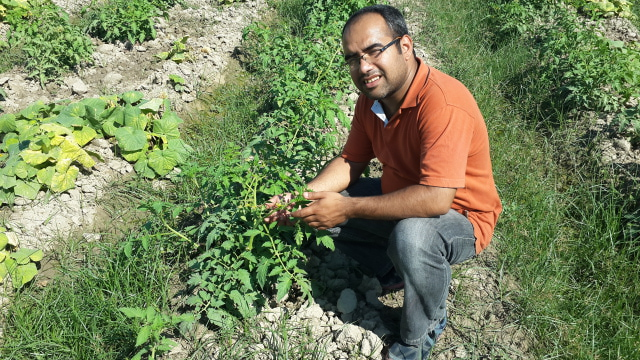
Root-Zone Investigation New leaves that are discolored and undersized often signal problems at the root-soil interface. Start by checking: Nutrient balance: Yellowing older leaves suggest nitrogen deficiency. A soil tes
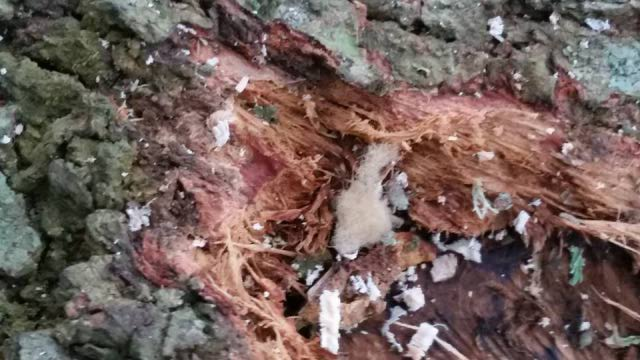
Woolly Oak Aphid Infestation: Identification and Control on Live Oaks
Confirming the Pest The white fluff in branch crotches that moves when touched indicates woolly oak aphids (or similar woolly aphids). These insects secrete waxy filaments for protection and excrete sticky honeydew, whic
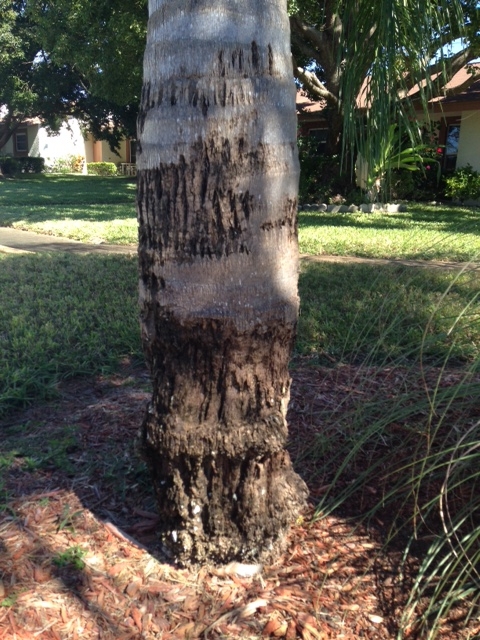
Queen Palm Base Rot: Identifying Ganoderma Butt Rot and Exploring Options
Diagnosis: Ganoderma Butt Rot The photos show classic symptoms of Ganoderma zonatum, a fatal fungal disease that rots the lower 4–5 feet of palm trunks. Confirmation requires seeing the hard, shelf-like conk (basidiocarp
Comparing Manure Fertilizers: Cow, Sheep, and Chicken—What's Best for Your Garden?
Nutrient Profiles and Heat Levels All animal manures supply nitrogen (N), phosphorus (P), and potassium (K), but their concentrations vary by animal type, age, diet, and bedding. Chicken manure is the hottest—highest in
Reviving a Declining Cycad: Addressing Root Rot and Stem Softening
Recognizing the Symptoms A 30-year-old cycad (often called sago palm) showing blackening leaves and a soft stem is likely suffering from root rot, typically caused by excessive moisture. Even established plants can succu
Diagnosing Leaf Damage on Dumb Cane (Dieffenbachia)
Identifying the Cause of Nibbled Leaves Finding chewed areas on your dumb cane leaves with no visible pests can be frustrating. The damage could stem from several sources: mechanical injury during leaf unfurling, hidden
Saving Your Ponytail Palm: Treating Trunk Cracks and Preventing Infection
Understanding Trunk Cracks in Ponytail Palms A ponytail palm (Beaucarnea recurvata) that has thrived for seven years and reached nine feet tall is a testament to good care. However, discovering a crack at the base of the
Bark-Applied Fungicides on Walnut: Why Propiconazole + Mancozeb Won't Work
The Science of Systemic vs. Contact Translocation Applying propiconazole + mancozeb with Pentra-Bark (bark penetrant) to large walnut trees for anthracnose and husk maggots is fundamentally flawed. Heres why: Propiconaz
Frost-Damaged Euphorbia (Cactus) Rescue Protocol
Saving a Frozen Euphorbia trigona Your 5–6 ft upright cactus (polygonal stems, thorns on ridges) drooping after a move, with recent freeze exposure = Euphorbia trigona (African milk tree) with freeze damage. The droop =
Whiteflies on Indoor Hibiscus: Breaking the Cycle
The Northeast Hibiscus Whitefly Trap Your hibiscus summered outdoors, brought inside for winter, now has persistent whiteflies despite insecticide sprays. Classic cycle: outdoor predators controlled them; indoor predator
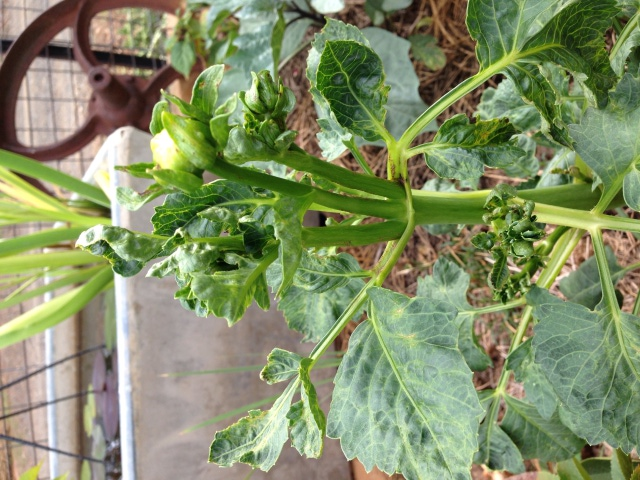
Dahlia Leaf Distortion: Herbicide Drift vs. Virus
Two Distinct Possibilities for Australian Dahlias New dahlia tubers (3 months post-dormancy) showing stunted, crinkled, twisted leaves with occasional pale spots after a 3-week 100°F+ heat wave—affecting some plants, not
Sago Palm (Cycas revoluta) Scale and Fungus: Beyond Malathion
Diagnosing the Houston Sago Decline Your 12–14-year-old sagos (cycads, not palms) with white spots on fronds, heavy white accumulation on stalks, sagging fronds, and spread to 3 of 4 plants have cycad aulacaspis scale (C
Croton and Bougainvillea Problems: Mealybugs, Fungus, and Drainage
South Florida Landscape Diagnostics Your crotons (Codiaeum variegatum) and bougainvillea in poorly drained South Florida soil show three distinct issues requiring different solutions: 1. Croton Mealybugs Weekly Triazici
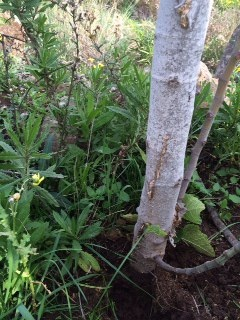
Fig Tree Bark Loss: Borers vs. Animal Damage in Lebanon
Diagnosing Bark Stripping on a Single Fig Tree One tree in your 2011–2013 Lebanese fig orchard (400m elevation, min 8°C) showing bark loss in sections without mechanical trauma has two probable causes: 1. Borer Infestat
Nicotine as Systemic Insecticide: Why Tobacco Macerate Doesn't Work
The Chemistry Behind Root Uptake Failure Tobacco macerate (nicotine water extract) cannot function as a systemic insecticide via root uptake. Heres the plant physiology: Root Membrane Selectivity Root endodermis contain
Copyright © www.100flowers.win Botanic Garden All Rights Reserved