
Vinca/Periwinkle Collapse: Phytophthora in Wet Conditions
Vinca (Catharanthus roseus) wilting with white soil specks after heavy rain in Central Florida—classic Phytophthora root/stem rot, nearly always fatal once symptomatic. Diagnosis Vincas hate wet feet—extreme drought to

Air Plant (Tillandsia) White Film: Fungal Growth in High Humidity
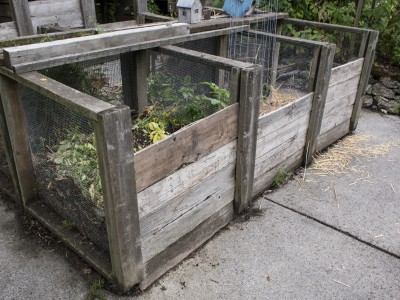
4-5 year old Ionantha Mexican Ball air plant with white film during rainy/humid period—likely fungal colonization, treatable with organic biostimulant. Diagnosis White film on Tillandsia in high humidity = surface fungi
Ash Tree Marginal Scorch: Root Stress, Not Disease
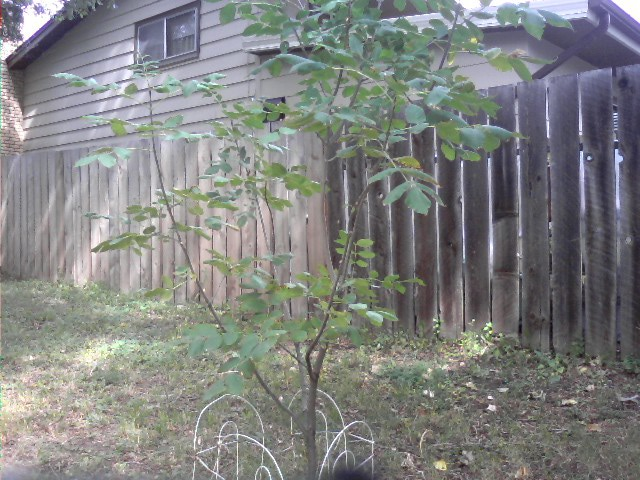
Same tree as #277, second opinion: marginal browning with black border is root/soil stress (water/fertilizer imbalance), not infectious disease. Pruning didnt cause it. Stress vs. Disease Differentiation Disease: Spots
Ash/Hickory Leaf Spot: Fungal Disease Management and Tree Identification
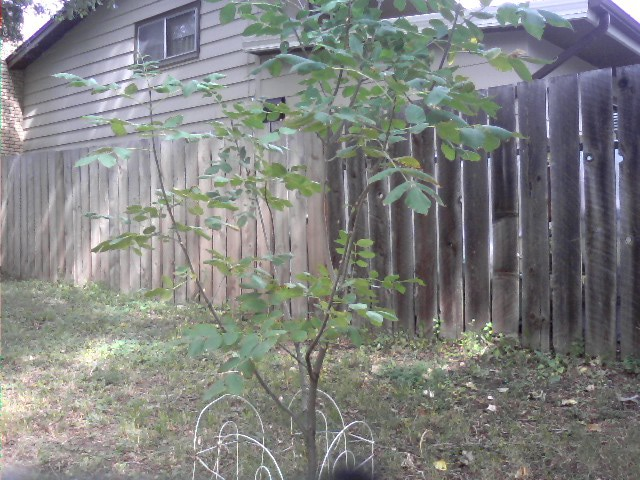
8-year-old tree (ash or hickory) with marginal brown leaf spots with black borders after wet spring and summer pruning—fungal leaf spot complex, not pruning damage. Leaf Spot Pathology Fungal pathogens (multiple specie
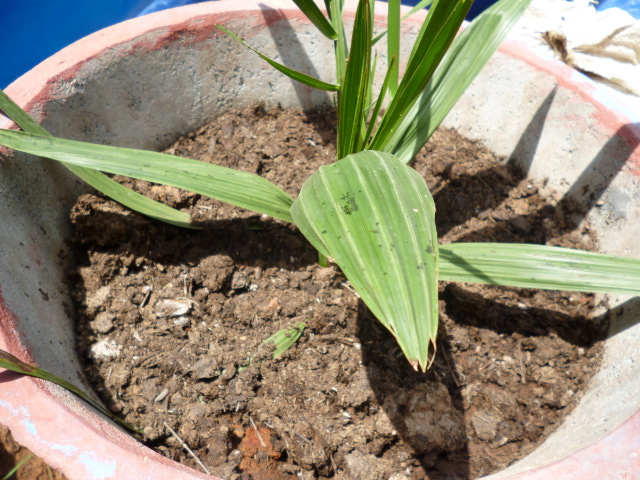
Date Palm Leaf Spots: Environmental Stress, Not Infectious Disease
Year-old potted date palms (Phoenix dactylifera) with black leaf spots and wet appearance after grouped tenting during rain—environmental/physiological, not infectious. Diagnosis No infectious signs in photos (no spore
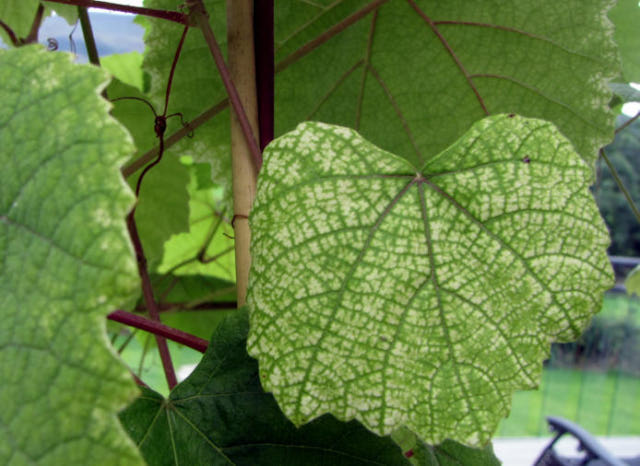
Conservatory Grapevine Chlorosis: Iron Deficiency in Peat-Based Media
Three-year-old grapevine in 25-gallon peat-filled tub showing interveinal chlorosis (green veins, yellow margins) progressing upward—classic iron deficiency in pure peat media. Diagnosis: Chlorosis in Organic Media Pure
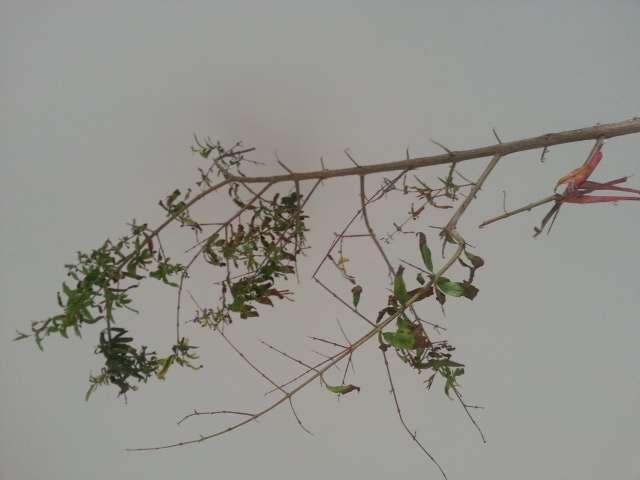
Potted Pomegranate Rescue: Salt Buildup, Overwatering, and Repotting Protocol
3-4 year old potted pomegranate with yellowing leaves, white trunk spots, and salt crust on pot interior—classic overwatering and salt toxicity from daily watering in too-small container. Problem Triad Overwatering: 2x
Garden Mum Fungal Crisis: Red Veins, Defoliation, and Aggressive Fungicide Protocol
Established garden mums (Chrysanthemum × morifolium) with red-veined leaves, progressive death, and excessive rainfall—fungal infection requiring strong chemical fungicide and rigorous sanitation. Diagnosis Red veins +
Chinese Pistache Leaf Scorch: Root Zone Stress Diagnosis
Chinese pistache with marginal leaf browning/yellowing at canopy top—no wilt, no infectious signs—indicates root/soil environment stress, not disease or insects. Symptom Pattern Analysis Leaflet edges brown → yellow (m
Wheat Overwatering in South Africa: Pink Discoloration and Cultural Correction
Wheat in South African garden showing pinkish discoloration from apparent overwatering—wheat prefers dry conditions, especially during winter growing season. Diagnosis Pinkish color = waterlogged stress. Wheat (Triticum
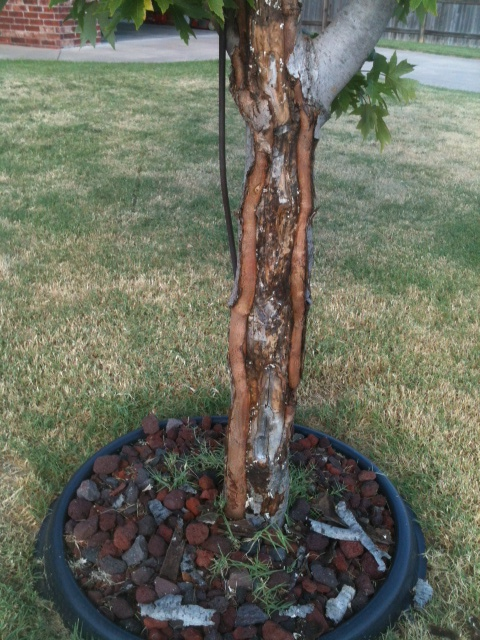
Maple Trunk Sunscald with Lichens: Borer Prevention and Wound Management
10-year-old maple with 24 tall southwest-facing trunk damage, white barnacles (lichens), and callus formation—classic sunscald with secondary lichen colonization, requiring borer prevention and vigor promotion. Diagnosi
Butterfly Bush Spider Mite Infestation: Identification and Control
Black Knight butterfly bushes (Buddleja davidii) with brown leaf spots progressing to yellowing/defoliation, sparing new basal growth—classic spider mite (Tetranychus spp.) damage during hot, dry late summer. Spider Mit
Chinese Pistache Sap Exudation: Storm Damage Connection and Management
Chinese pistache (Pistacia chinensis) with sap droplets on bark cracks—two years after golf-ball hail damage—shows wound response, not active disease or insect infestation. Gummosis Mechanism Sap exudation (gummosis) is
Pothos Scale Infestation: Identification and Horticultural Oil Treatment
Pothos (Epipremnum aureum) with persistent small white spots on leaves/stems reveals scale insects—immobile, armored pests requiring horticultural oil for effective control. Scale Identification Small (1-3mm), white/cr
Fruitless Mulberry Unilateral Decline: Vascular Blockage Diagnosis
23-year-old fruitless mulberry dying on one side only (3 years progressive) in California high desert indicates vascular obstruction—not whole-tree decline. Pattern Significance One-sided dieback = localized vascular fa
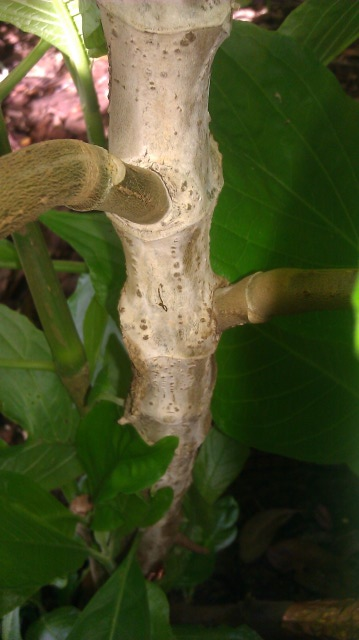
Brazilian Red Cloak Branch Snap: Natural Brittleness vs. Disease
Brazilian Red Cloak (Megaskepasma erythrochlamys) with tender branches snapping at trunk junction, suspected white fungus, and persistent snail damage—likely natural branch brittleness, not disease. Branch Snap Analysis
Olive Orchard Fire Recovery: Pruning Timing and Severity Decisions
500-tree olive orchard burned to 50 inches above ground, 3 weeks pre-harvest in Mediterranean climate (70°F current, 40°F winter lows). Pruning timing and severity determine recovery. Pruning Timing: Wait Do NOT prune i
Yucca Tree Care: Watering, Light, and Fungal Spot Management
Newly purchased yucca (likely Yucca elephantipes) with brown, curling, drooping leaf tips indicates underwatering during establishment—compounded by potential fungal spots if foliage stays wet. Watering Protocol for Est
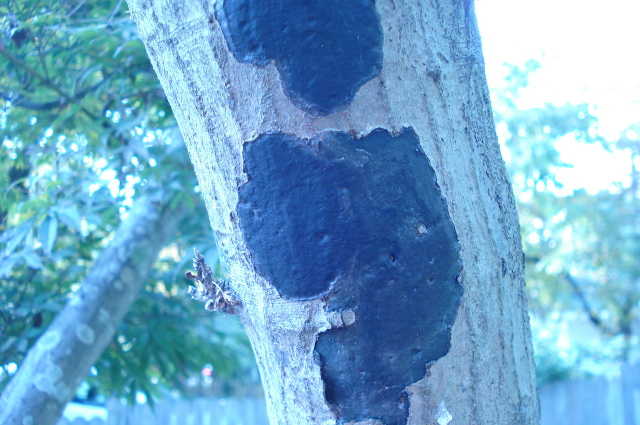
Japanese Maple Hypoxylon Canker: Fatal Fungal Diagnosis and Sanitation
Japanese maple (Acer palmatum) with hard, crusty black bark patches, bark separating from xylem, and scorched leaf dieback shows classic Hypoxylon canker—a secondary pathogen attacking stressed trees with no recovery. H
Skip Laurel Pruning: Central Leader Management for Tree vs. Shrub Form
Skip laurel (Prunus laurocerasus Schipkaensis) growth habit—bushy base, sparse center—results from central leader removal. Pruning strategy determines tree vs. shrub form. Growth Habit Physics Apical dominance: the cent
Copyright © www.100flowers.win Botanic Garden All Rights Reserved