

Spider Mites on Butterfly Bush: Systemic Insecticide Risks to Pollinators
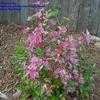
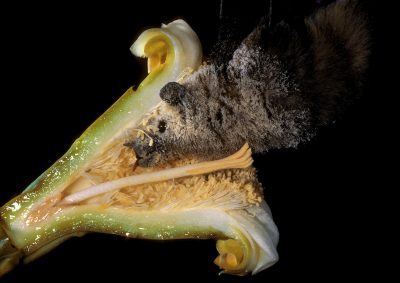
The Dilemma Spider mites on large butterfly bushes are hard to reach with foliar sprays. Systemic insecticides (e.g., imidacloprid) move into nectar and pollen, potentially harming butterflies and bees. Safer Alternativ

Merit 75WP Safety on Fruit Trees and Borer Treatment Follow-Up
Fruit Safety Merit (imidacloprid) applied to trunks does not translocate to fruit. Apples from treated trees are safe to eat this season. Borer Treatment Confirmation Merit penetrates bark and outer wood where borers f
Meyer Lemon Fruit Deformities: Genetic Quirks, Not Disease
What Youre Seeing Rounder lemons and fused multiples (3–4 inside one) are developmental anomalies, not disease or insect damage. They arise from genetic variability or environmental fluctuations during early fruit set.
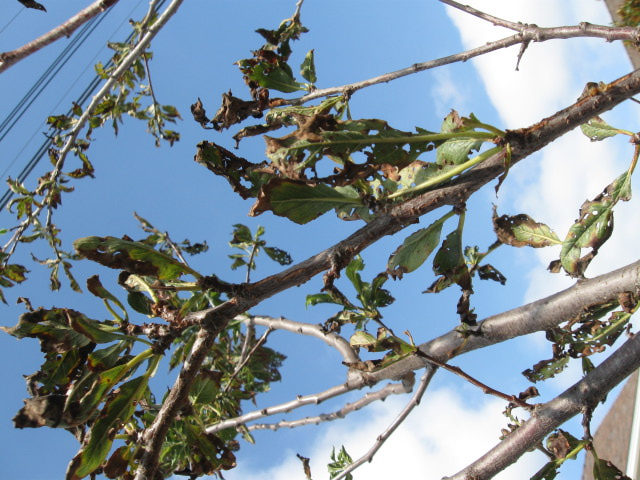
Plum Tree Shot Hole and Bark Bumps: Separating Insect Damage from Normal Lenticels
Assessing the Symptoms Tattered leaves, not clean round holes: Suggests insect feeding, not classic shot hole disease. Bark bumps with green underneath: Likely lenticels—normal gas-exchange pores, not pests. Peeling bar
Dahlia Flower Deformity and Rot: Thrips or Botrytis Blight?
Two Prime Suspects Thrips: Tiny, fast insects inside buds. Deform flowers, cause browning. Check by slowly opening a young bloom. Botrytis (gray mold): Fuzzy gray growth on petals, especially in humid conditions. Test b
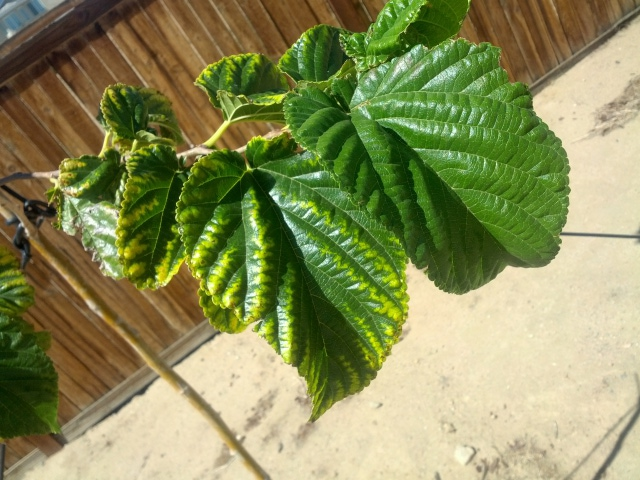
Fruitless Mulberry Scorch in High Desert: Overwatering Diagnosis and Correction
The Real Problem: Too Much Water Daily 2.5-gallon watering on newly planted mulberries in hot, windy high desert has leached nutrients and created anaerobic soil. Symptoms (chlorophyll loss, not true scorch) confirm root
Pineapple Guava Yellowing in California Drought: Water and Mulch Strategies
Primary Issue: Water Stress Yellow leaves with red dots on an older, fruiting pineapple guava in Northern California drought strongly indicate insufficient water, especially with reduced irrigation. Immediate Actions D
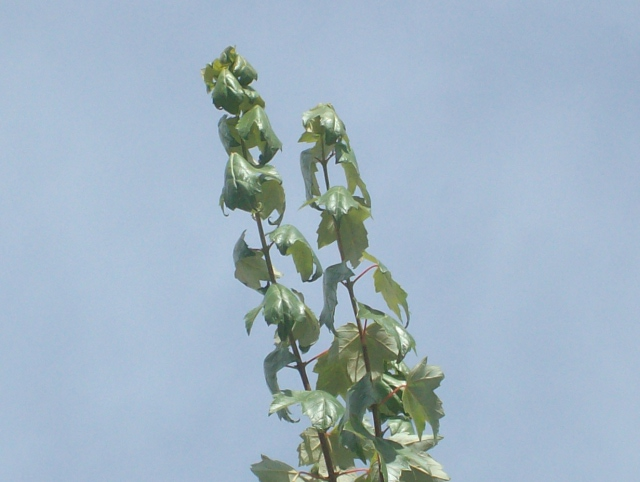
Memorial Autumn Blaze Maple Struggling: Planting Hole "Pot Effect" Suspected
Key Clues Three years of poor growth, yellowing, scorch, and no response to aphid treatment point to root zone issues, not borers (no sap flow from wounds). Likely Cause: Clay Soil Pot Effect If the planting hole was du
Brown Spots Inside Green Apples: Disease or Physiological Issue?
Possible Causes Internal brown spots on some apples (while others on same tree are fine) suggest: Bitter rot, anthracnose, or scab—fungal diseases. Physiological disorder—like cork spot or Jonathan spot from calcium imb
Coral Bark Maple Decline: Balancing Water in Pacific Northwest
Conflicting Diagnoses, Common Root Both too much water and not enough cause similar leaf yellowing/browning because root function is impaired. The real issue is soil oxygen. Diagnosing Your Situation Clay soil + daily
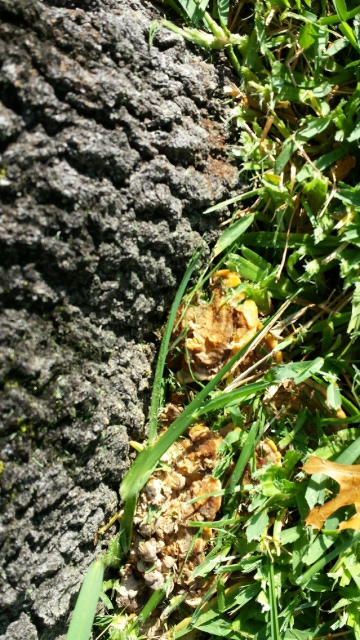
Fungus at Oak Base: Understanding Root Rot Conks and Tree Longevity
What Youre Seeing The hard, rock-like growths at the base are fungal conks (fruiting bodies) of a wood-decay fungus—likely a root/stem rot pathogen. They indicate internal decay already in progress. No Cure, But Managem
Spider Plant Problems: Scale Insects and Leaf-Eating Pests
Two Separate Issues Black removable spots (1/16–1/8): Likely scale insects. Confirm by taking leaves to a nursery. Round holes: Different pest—possibly slugs, caterpillars, or beetles. Scale Treatment Timing is key: sp
Caterpillars Eating Hot Peppers: Identifying the Culprit and Organic Control
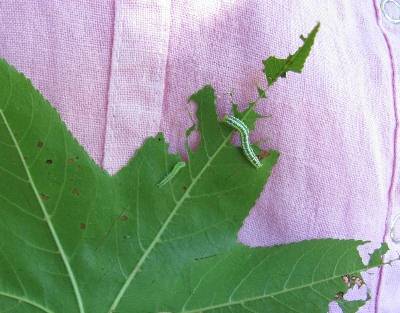
The Pest: Likely Tomato Hornworm The mini brown corn cob droppings are classic caterpillar frass. Even hot peppers get eaten—Manduca sexta (tobacco/tomato hornworm) tolerates capsaicin. Organic Control Program Daily sc
Maple Trunk Bark Loss: Old Borer Damage and Healing Strategies
Diagnosis The missing bark on the south side with autumn color appearing early on that side indicates old borer damage. Insects entered past wounds, bark loosened and fell. No active borers now (no fresh sawdust). Treat
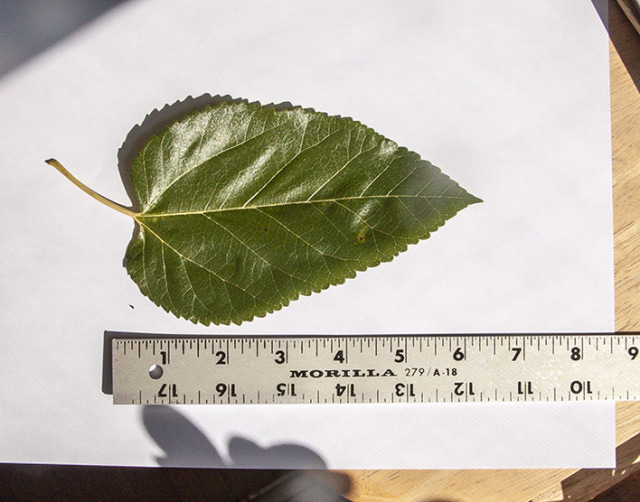
Identifying a Mystery Tree in Chicago: Fruitless Mulberry or Cottonwood?
Key Identification Features Based on the single leaf photo (simple, alternate, ovate with lobed base, toothed margins, pointed tip), the tree is likely either: Fruitless mulberry (Morus alba Fruitless) – rounded crown,
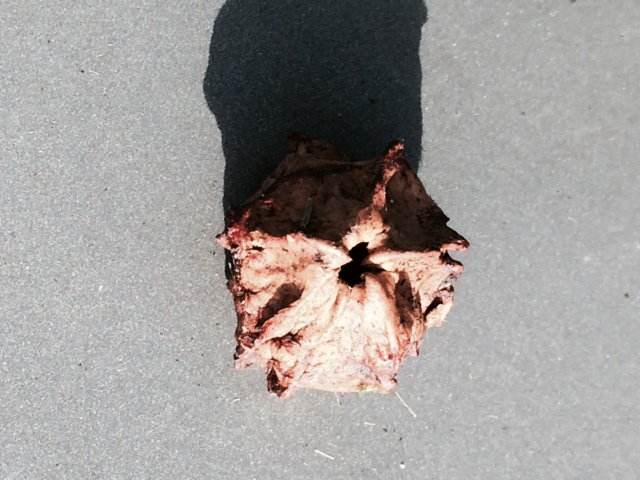
Oak Tree Galls and Twig Growth: Understanding Insect Galls and Nutrient Issues
What Are the Round Structures? The oak apples are insect galls—harmless growths induced by tiny wasps. They rarely affect tree health. Curved Twigs and Faded Leaves Curved twigs: Likely normal growth variation or respo
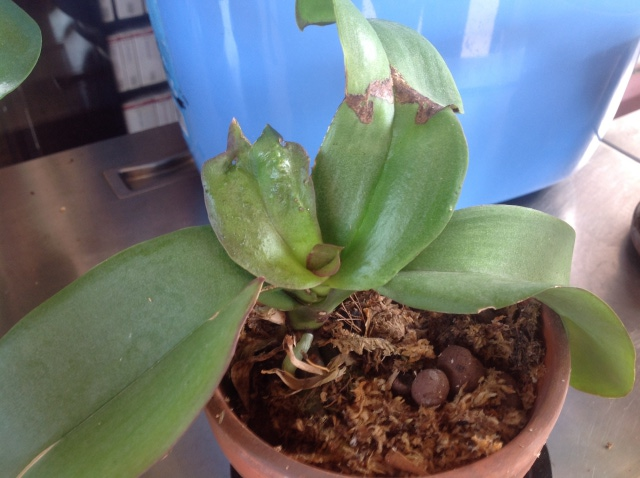
Distorted Orchid Growth: Scale Insects or Virus—When to Destroy
Assessing the Damage The severely stunted, distorted new foliage on your Phalaenopsis suggests either scale insects (hard, immobile bumps on leaf undersides/roots) or a viral infection. Scale can be treated; virus cannot
Black Leaf Spots on Corkscrew Willow: Late-Season Fungal Spots and Prevention
Diagnosis The black spots are fungal leaf spots appearing late in the season as the tree prepares for dormancy. They rarely threaten overall health. Management This Year Rake and remove all fallen leaves to reduce spor
Black Sooty Mold on Hackberry: Controlling the Aphids and Scale Behind It
The Real Culprits The black fungus on your hackberrys leaves, fence, and nearby plants is sooty mold growing on honeydew excreted by aphids or scale insects feeding in the canopy. Effective Control for Large Trees Spray
Growing Crocosmia 'Lucifer' from Seed in Cold Climates
Seed vs. Corm Propagation While Crocosmia is typically grown from corms (bulbs), seeds are viable. Plants from seed take 2 years to bloom and may show variation due to cross-pollination—though self-pollination in a monoc
Copyright © www.100flowers.win Botanic Garden All Rights Reserved