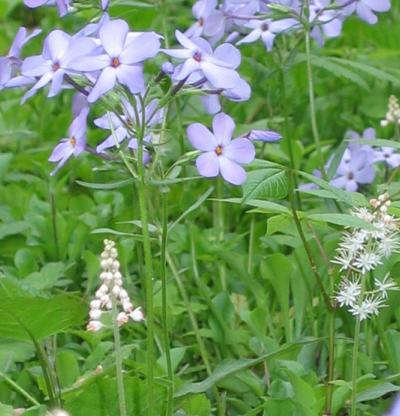


Apple Variety Guide: Gale Gala, Oregon Spur, Early Red, Super Chief, Red Chief
Red Delicious Sports and Gala: What Youre Planting Your new orchard in India (likely Himachal Pradesh) features five apple varieties—all Red Delicious sports except Gale Gala. Heres what matters for growth, harvest, and

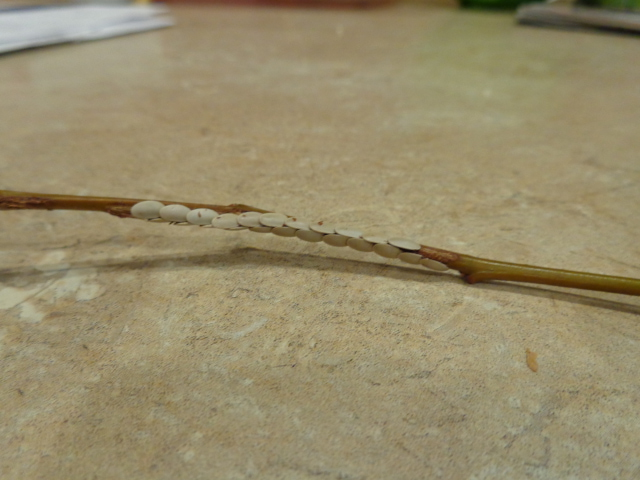
Cleveland Pear: Katydid Eggs Misidentified as Scale, Plus Leaf Chlorosis
A Diagnostic Correction Story White oval structures on a 3-year-old Cleveland pear (Pyrus calleryana Cleveland Select) in Colorado were initially diagnosed as scale insects—but the owner correctly identified them as katy
Trumpet Vine (Campsis) Indoor Decline: Fungus, Leaf Drop, and Bloom Strategy
Diagnosing the Wisconsin Trumpet Vine Your Campsis (trumpet vine/creeper) brought indoors for winter shows classic environmental shock + secondary fungal colonization. Leaf drop upon indoor transition is universal for th
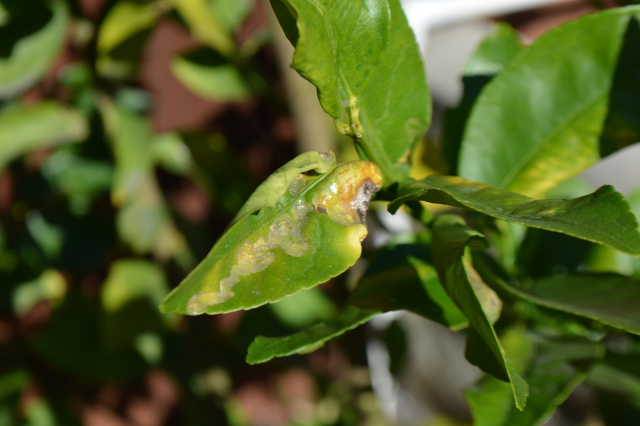
Citrus Leafminer and Chewing Pests: Diagnosis and Management
Squiggly Lines = Leafminer; Holes = Chewers Your lemon and lime showing squiggly sunken patterns on leaves with some chewing damage have a dual infestation: citrus leafminer (Phyllocnistis citrella) + chewing insects (li
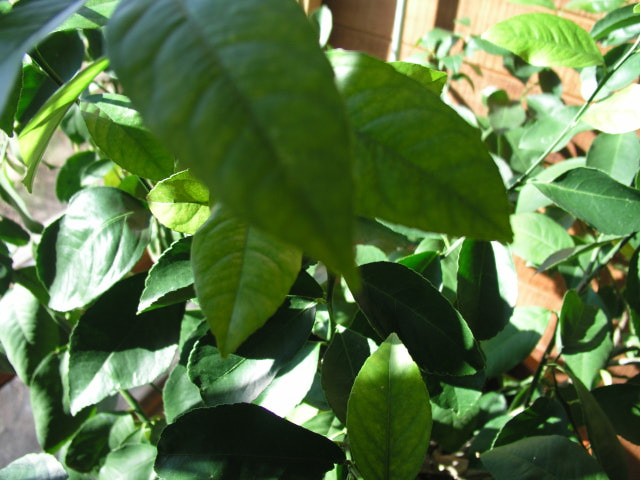
Spider Mites on Indoor Meyer Lemon: Control and Repotting Decisions
The Montana Meyer Lemon Challenge A 10-year-old potted Meyer lemon in Zone 3 (Montana) with wood heat (very low humidity), chronic spider mites, and sickly new growth faces a perfect storm: hot, dry indoor conditions = s
Interplanting Herbs in Fig Orchards: Root Competition and Drainage
Fig Roots and Understory Planting: The Reality Your 600-tree fig orchard in Lebanon (poor winter drainage, 20-ft spacing) raises two key questions about thyme/oregano interplanting. Heres the science: Fig Root Behavior
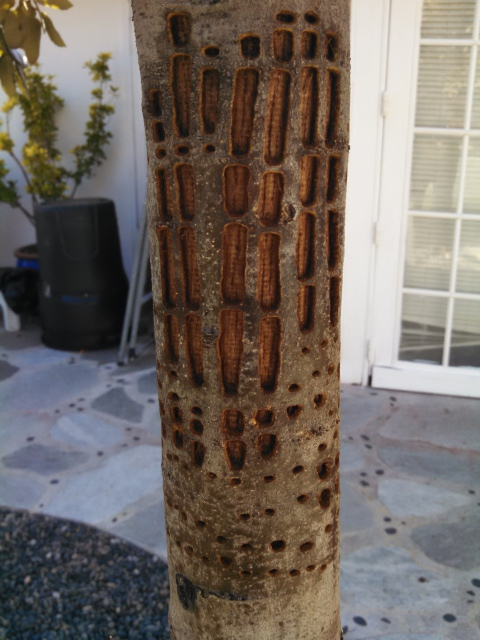
Sapsucker Damage on Young Oak: Same Culprit, Different Tree
Symmetrical Holes = Sapsucker, Not Disease The strange symmetrical bark damage with holes in straight lines encircling a 4-year-old oak in Southern California is textbook yellow-bellied sapsucker (Sphyrapicus varius) fee
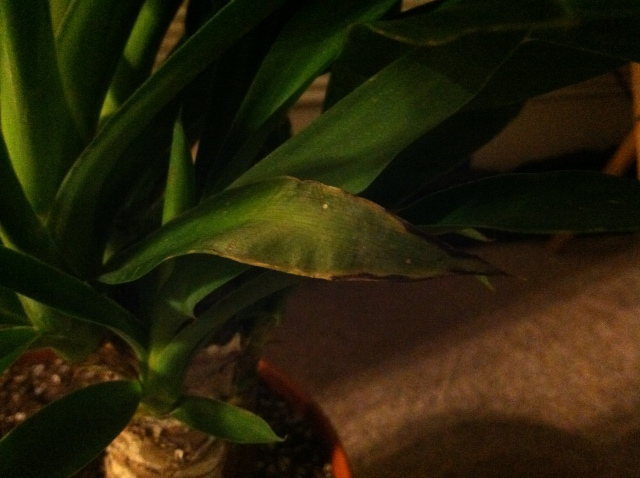
Yucca Houseplant Rescue: Light, Water, and Repotting Strategy
Diagnosis: Classic Low-Light Decline Your 3-week-old yucca (likely Yucca gigantea/elephantipes) showing progressive tip browning, yellowing, and leaf death in a north-facing apartment with 55–73°F temperatures has one pr
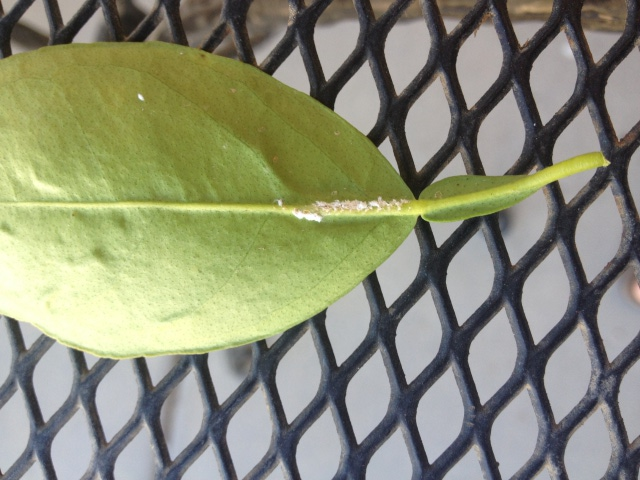
Mealybugs and Scale on Citrus: Integrated Control for Potted Trees
White Substance Under Citrus Leaves = Insects White, wipe-off deposits on potted citrus leaves with leaf curling indicate mealybugs (likely citrus mealybug, Planococcus citri) or immature scale insects (crawlers or early
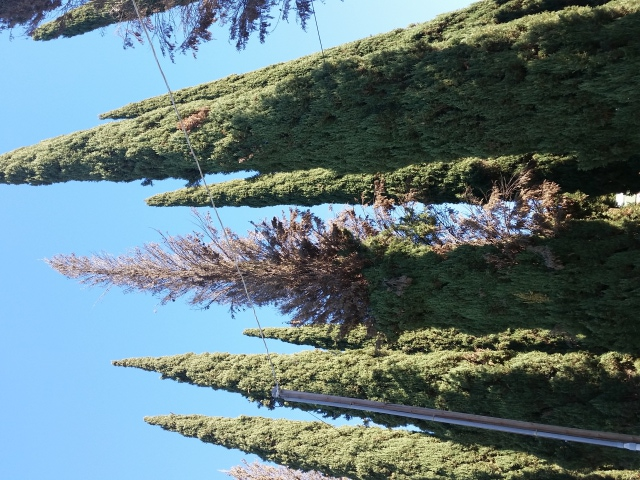
Cypress Canker on Italian Cypress: Diagnosis and Management
Identifying the Killer of Mature Italian Cypress Twenty-five-year-old Italian cypress (Cupressus sempervirens) showing progressive dieback with cankers on a California driveway likely have cypress canker (Seiridium cardi
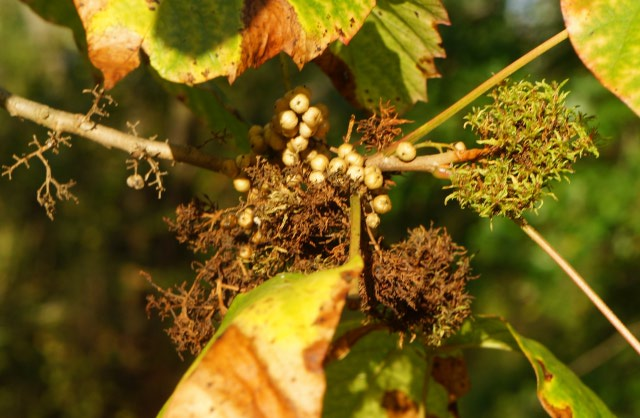
Poison Ivy Galls: Identification and Safe Removal
Those Bushy Growths Are Likely Galls Green, leafy clumps on poison ivy (Toxicodendron radicans) in New Jersey that persist as fibrous masses in winter are almost certainly insect-induced galls—not lichens or aborted flow
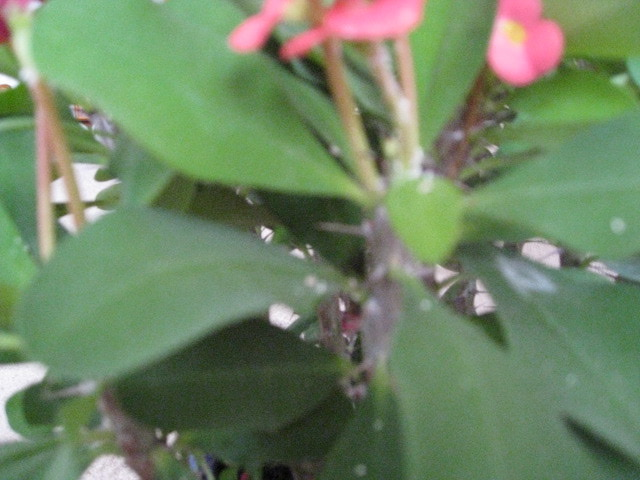
Mealybugs on Crown of Thorns: Indoor Identification and Control
White Tufts = Insects, Not Fungus Cottony white deposits on Euphorbia milii (crown of thorns) flower stems and leaf axils in a San Francisco home are mealybugs (likely citrus mealybug, Planococcus citri) or woolly aphids
Sapsucker Damage on Oak Trees: Identification and Management
Those Neat Rows of Holes Arent Insects Quarter-inch holes in orderly horizontal or vertical lines encircling oak trunks in North Florida/Georgia are classic yellow-bellied sapsucker (Sphyrapicus varius) damage. These mig
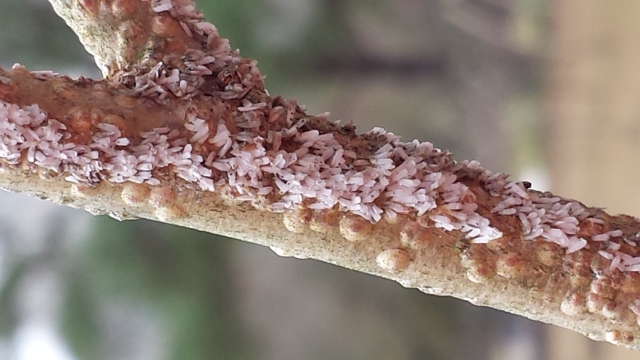
Scale Insects on Mulberry: Dormant Oil Treatment
Diagnosis: Not Fungus, But Insects White, rice-grain-like bumps on dormant mulberry bark in southern Georgia are scale insects—most likely white peach scale (Pseudaulacaspis pentagona) or mulberry scale. These armored sc
Borers in Japanese Plum (Loquat): Identification and Treatment
Diagnosing the Black Substance at Ground Level The black, gummy exudate at the base of your 6-year-old Japanese plum (loquat/Eriobotrya japonica) with wilting leaves indicates borer infestation—likely peach tree borer (S
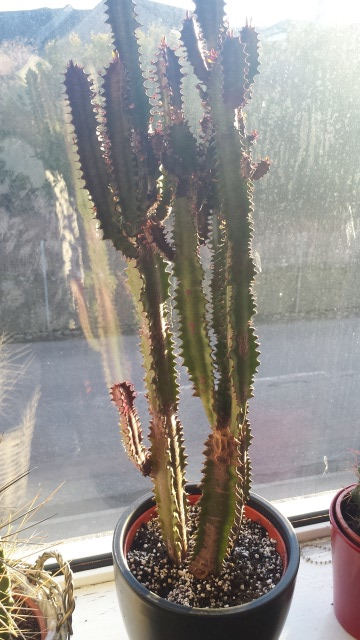
Euphorbia trigona Care: Normal Aging vs. Actual Problems
Understanding Your African Milk Tree Euphorbia trigona (African milk tree, cathedral cactus) is a succulent, not a true cactus. Its corky brown base and reddish new growth are normal maturity characteristics, not disease
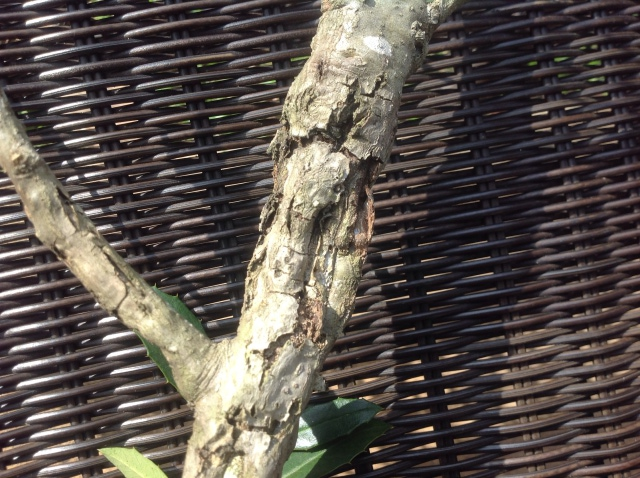
Gall Formation on Savannah Holly: Causes and Management
Diagnosing Woody Galls on Holly Large knots, holes, and lumpy branches on Savannah holly (Ilex × attenuata Savannah) indicate gall formation—abnormal growths caused by pathogens or pests. The two primary culprits are fun
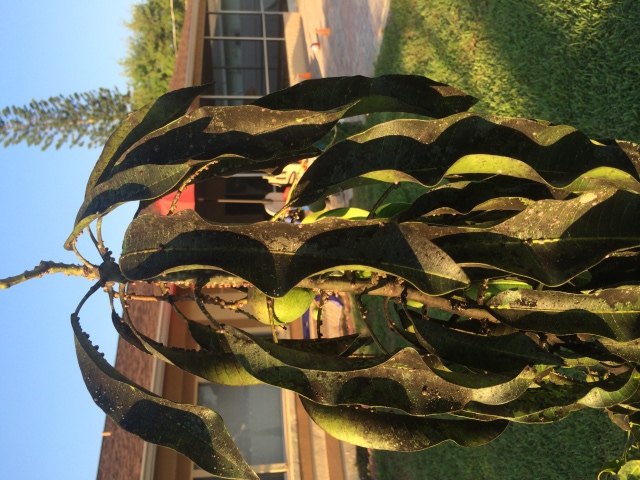
Sooty Mold and Whitefly on Mango: Diagnosis and Organic Management
Identifying the Real Problem Blackened leaves and branches with small round bumps on a Southwest Florida mango indicate a classic two-part issue: whitefly infestation followed by sooty mold. The bumps are whitefly nymphs
Why Your Meyer Lemon Tree Has Giant Leaves and No Flowers
Understanding Meyer Lemon Growth Patterns A 5-year-old Meyer lemon producing leaves three times normal size with zero blossoms signals a fundamental cultural issue—not disease. This classic presentation often stems from
Crown Rot in Venus Flytraps: Causes, Treatment, and Prevention
Understanding Crown Rot in Carnivorous Plants Crown rot is a serious disease affecting Venus flytraps (Dionaea muscipula) and other carnivorous plants. Multiple pathogens—including fungi like Fusarium and Rhizoctonia spe
Copyright © www.100flowers.win Botanic Garden All Rights Reserved