


A 20-year-old Shademaster locust (Gleditsia triacanthos 'Shademaster') with thin canopy and gray-green "mold" on branches has lichens—not a disease.
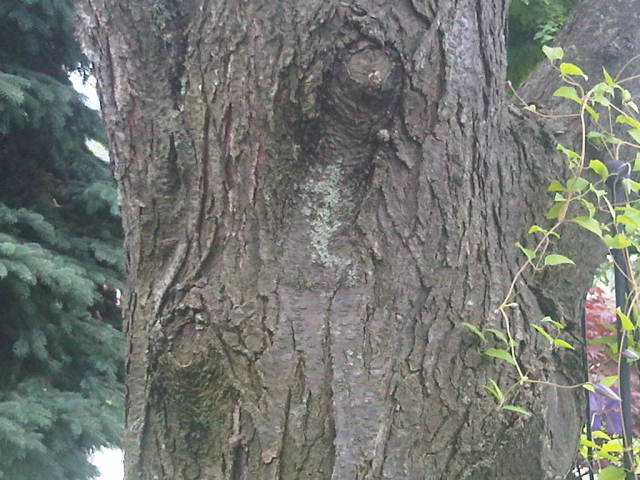
Lichens are a symptom, not the cause. The 50% canopy loss and dead branches are the problem. Causes for locust decline:
Locusts are relatively short-lived urban trees. At 20 years, plan for eventual replacement while maximizing current health.
Honeylocust 'Shademaster' Branch Dieback: Canker or Borer Risk
Honeylocust Dropping “Seeds” and Thinning: Insect Frass, Not Seeds
Locust Trees Yellowing: Herbicide Drift or Insects?
Managing Decline in Mature Sunburst Locust Trees
Fertilizing Century-Old Locust Trees for Vigor
Overseeding Dead Patches in Toronto: Too Late for Fall, Plan for Spring
Honey Locust Without Seed Pods: No Cause for Alarm
Locust Tree New Growth Wilt: Locust Leafminer Outbreak
Thinning Locust Tree: Deadwood Removal and Fertilization
Locust Tree Honeydew on Vehicles: Aphid/Scale Control
Sunburst Locust Bare-Root Not Leafing: Transplant Shock, Wait
Controlling Locust Root Sprouts Without Killing Your Lawn
Honey Locust Thorn Injury: Likely Retained Splinter or Infection
Copyright © www.100flowers.win Botanic Garden All Rights Reserved