
River Birch Webbing: Spider Mites or Fall Webworms—Not Spiders
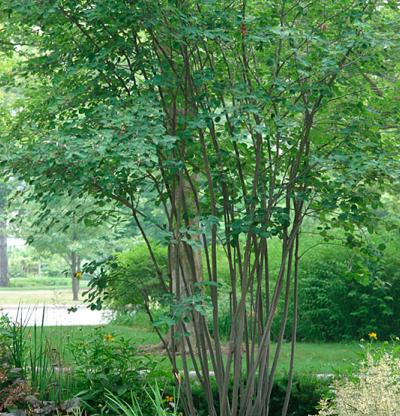
River birch (Betula nigra) with spider webs choking branch tips likely hosts fall webworms (Hyphantria cunea) or spider mites—not spiders, which are beneficial predators. Identifying the Real Culprit Fall webworms: Silk

Phomopsis vs. Fusarium Canker: Diagnostic Challenges in Forest Trees
Distinguishing Phomopsis galls from Fusarium canker on forest trees requires laboratory isolation—field symptoms overlap significantly, and government shutdown impeded reference document access. Pathogen Comparison Fea
Asian Pear Bitter Pit: Calcium Deficiency Management in Fruit
Asian pears developing hard, sunken, corky spots penetrating the flesh indicate bitter pit—a physiological disorder from calcium imbalance, not a pest or disease. Understanding Bitter Pit Cause: Calcium deficiency in de
Indoor Herb Disease Diagnosis: Physical Injury vs. Pathogen on Basil and Thyme
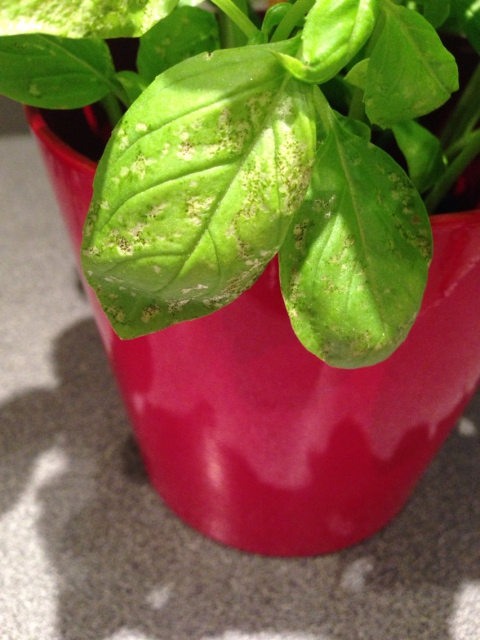
Windowsill basil and thyme showing recurring white/silvery leaf areas with dark spots suggest abiotic/physical injury rather than infectious disease—requiring environmental investigation over pesticide treatment. Why No
Toothache Tree Decline: Mystery Dieback in Containers—Organic Neem Protocol
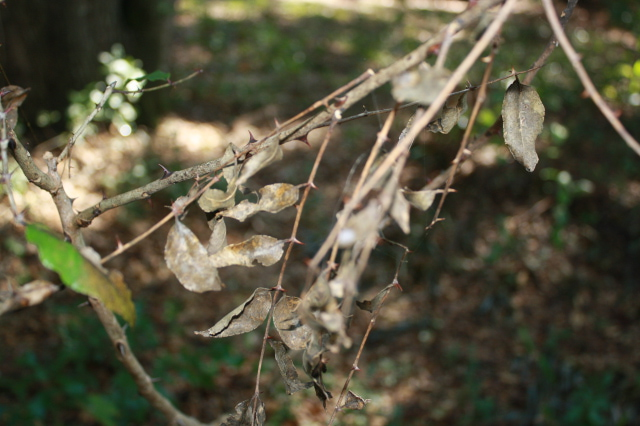
Potted Zanthoxylum clava-herculis (Hercules club/toothache tree) showing progressive branch dieback spreading between containers, with leaf bumps and single scale insect, responds to organic Neem oil treatment combined w
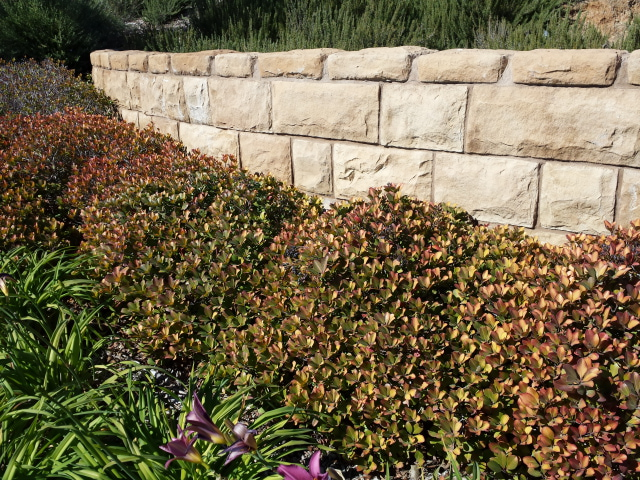
Indian Hawthorn Crisis: Cercospora/Entomosporium Management in Community Landscape
Community-planted Indian hawthorns (Rhaphiolepis indica Clara) showing severe defoliation, reddish-yellow discoloration, and progressive decline require aggressive fungicide intervention combined with rigorous sanitation
Meyer Lemon Pest Management: Slugs, Aphids, Leaf Curl, and Organic Fruit Safety
A fruiting Meyer lemon with curled leaves, minor leaf feeding, and a grey slimy animal (likely a slug) requires targeted organic management that protects the existing crop. Pest Identification & Response Slug: Hand-pick
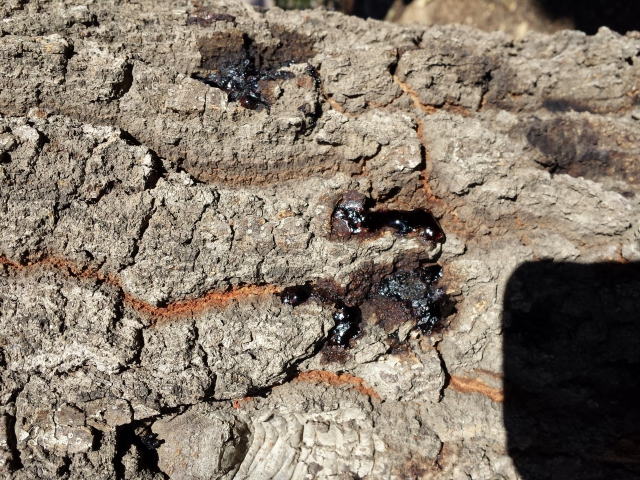
Sudden Oak Death Crisis: Phytophthora ramorum Management in Coast Live Oaks
Multiple Coast Live Oaks (Quercus agrifolia) in Santa Clarita, CA showing dark viscous basal oozing, trunk scorching, and progressive decline confirm Sudden Oak Death (SOD) caused by Phytophthora ramorum—a devastating, l
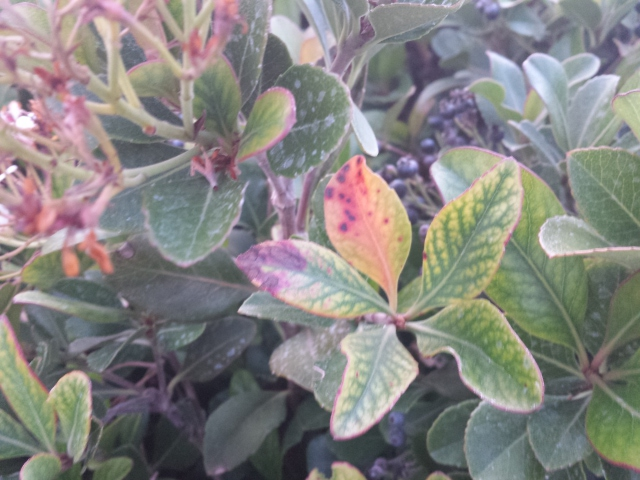
Indian Hawthorn Leaf Spot and Chlorosis: Dual Diagnosis and Treatment
Indian hawthorn (Rhaphiolepis indica) showing both reddish leaf spots (Entomosporium/Cercospora) and distinct interveinal chlorosis (yellowing with green veins) requires a two-pronged treatment approach. Diagnosis Break
Pecan Tree Bark Exfoliation: Normal Aging Process, Not Disease
Bark peeling on mature pecan trees (Carya illinoinensis) is a normal developmental process, not a disease or pest issue. Understanding this prevents unnecessary treatment and worry. Natural Bark Maturation Young pecan b
Oak Tree Fungal Growth: Identification, Significance, and Management
A 300-year-old oak with an 8-10 inch orange-white fuzzy spherical growth at a bark split on the north side presents a classic fungal fruiting body scenario requiring careful assessment. Likely Identifications Fungal co
Photosynthesis Applications: From Agricultural Fundamentals to Bioelectricity Innovation
Photosynthesis—the process by which plants convert light energy into chemical energy—underpins all agricultural productivity and holds expanding applications in pharmaceuticals and renewable energy. Agricultural Applica
Shi Shi Camellia Leaf Spots: Diagnosis Before Treatment During Bloom
Black spots on Shi Shi Gashira camellia (Camellia hiemalis Shi Shi Gashira) during bloom season require accurate diagnosis before any spray application, as treatment efficacy depends entirely on identifying the causal ag
Hong Kong Orchid Tree Pest Management: Organic Approach with Atomic Grow
Hong Kong orchid tree (Bauhinia × blakeana) showing chewed leaf margins, dark spots, and suspected boll weevil presence responds well to organic management focusing on plant health enhancement rather than pest eradicatio
Norfolk Pine Decline After Transplant: Termites, Rot, and Terminal Prognosis
A 20-foot Norfolk Island pine (Araucaria heterophylla) transplanted six months ago, now showing termite activity at the base, spongy bark, branch dieback, and needle discoloration, reveals a classic case of transplant st
40-Year Ponytail Palm Crisis: Crown Rot, Leaf Drag, and Recovery
A cherished 40-year-old ponytail palm (Beaucarnea recurvata) with drooping, dragging leaves signals potential crown rot or cultural stress. At 4.5 feet tall with an 8-9 inch caudex, this specimen has significant sentimen
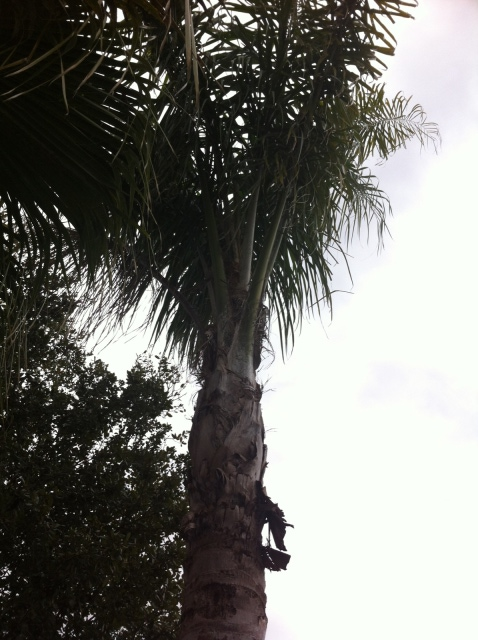
Palm Tree Fungal Decline: Cold Damage, Hollow Trunk, and Organic Treatment
A palm near Houston showing black fungal growth at a trunk constriction point, with hollow-sounding wood above the lesion, indicates advanced fungal decay following cold damage. Condition Assessment The trunk narrowing
Rose Tree Bark Peeling: Root Issues, Disease, and Contagion Risk
Bark peeling at the base of rose trees (standards) signals potential root dysfunction or localized disease. With two adjacent trees showing similar symptoms, contagion is a legitimate concern. Potential Causes Root rot
Meyer Lemon Decline: Yellowing Leaves and Branches in Arizona
A three-year-old Meyer lemon in Arizona showing progressive yellowing of leaves (starting at tips moving inward) and now yellowing branches indicates a serious nutritional or cultural issue, not a pest problem. Diagnosi
Horned Oak Gall Management: When to Treat and What to Use
Horned oak galls, caused by tiny cynipid wasps (Callirhytis cornigera), create distinctive woody growths on oak twigs and branches. While unsightly, they rarely threaten tree health. Understanding the Pest These galls h
Copyright © www.100flowers.win Botanic Garden All Rights Reserved