


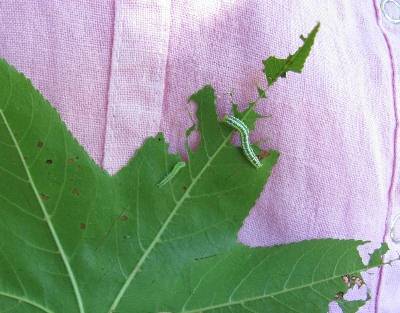
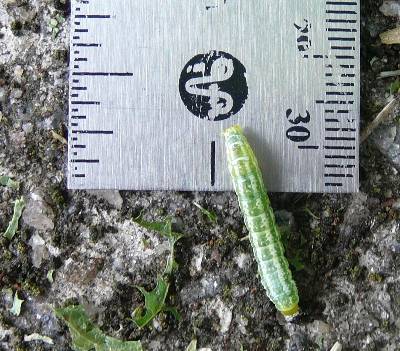
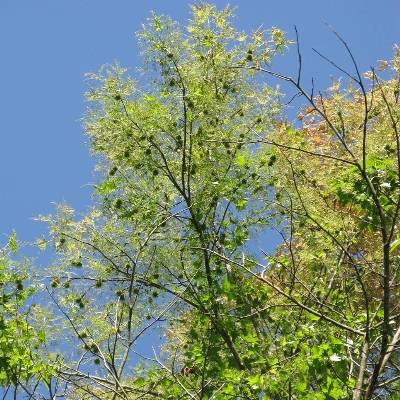
Small black pellets (frass) falling from sweetgum trees, along with thinning crowns, indicate an infestation of sweetgum defoliator caterpillars (Paectes abrostoloides). This native moth lays eggs in early summer; the caterpillars feed for several weeks before pupating. The last major outbreak in Georgia was in 1977, and natural viruses typically collapse the population within a season.
No control is needed—the trees will releaf, and the caterpillars rarely return in consecutive years. The damage looks alarming but is temporary. Monitor next spring, but expect natural controls to keep numbers low.
Sweetgum Crown Dieback: Construction Damage, Wait 3–5 Years
Oak Loopers Defoliating Yard: Spinosad for Small Trees
Multiple Tree Issues on a New South Carolina Homesite
Controlling Eastern Tent Caterpillars on Dwarf Cherry Trees
Transplanting Cedar Trees: Red Cedar vs. Leyland Cypress for Wildlife
Pruning Mature Fruit Trees: Remove Dead, Crossing, and Vertical Wood
Birch Aphids Dripping Honeydew: Treat with Imidacloprid in March
Attracting Catalpa Caterpillars: Sell Caterpillars with Trees
Mimosa Sprouts: Short-Lived, Disease-Prone, But Transplantable
Azalea Caterpillars: Red-Headed Defoliators Controlled by Bt
Fertilizing Young Trees: When and How to Apply for Optimal Growth
Copyright © www.100flowers.win Botanic Garden All Rights Reserved