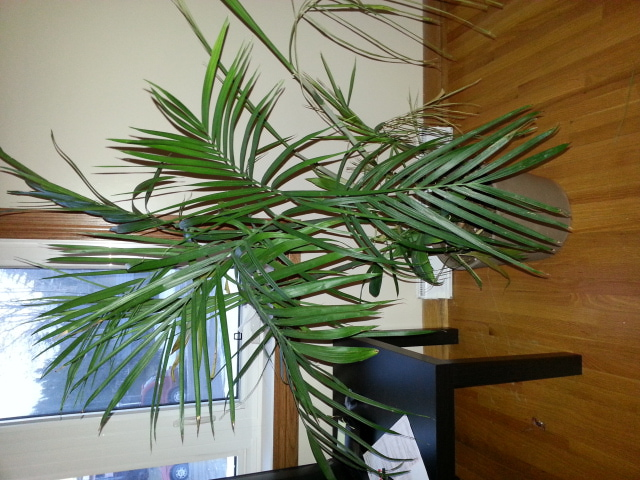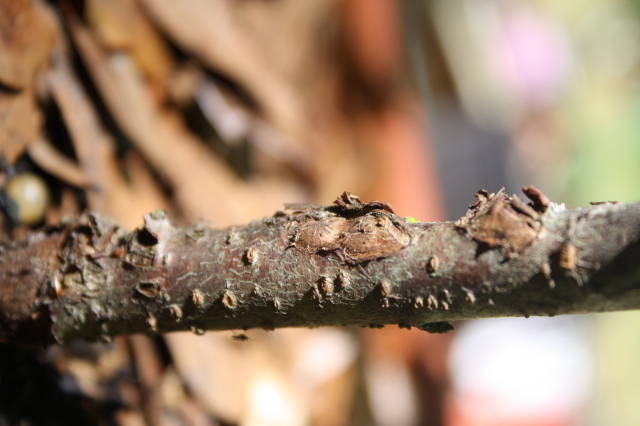

Splitting Trunk on Palm: Cosmetic, Not Fatal
Common in Queen Palms Vertical splits 2–3″ deep on a palm trunk (especially Queen) are a known phenomenon. Causes debated (rapid growth, water uptake fluctuations), but they rarely affect health. Management Monitor for

Removing a Dead Trunk from a Triple Pygmy Date Palm
Safe Removal If one trunk of a multi-trunk pygmy date (Phoenix roebelenii) is dead (all fronds brown), cut it at soil level. The remaining trunks share a root system but are structurally independent. No Harm to Survivor
Allamanda Sudden Defoliation: Overwatering After Repotting
Rapid Leaf Loss = Root Stress Allamanda (Allamanda cathartica) dropping leaves within days of repotting indicates root damage from overwatering or planting too deep. Checklist Was it planted at the same soil level as b
Winterizing Basjoo Hardy Banana in Maryland (Zone 7)
Cut to Ground, Mulch Heavy Basjoo (Musa basjoo) is root-hardy to Zone 5 if the corm is insulated. After first frost: Cut all pseudostems to soil level. Apply 12–18″ of loose mulch (straw, leaves, wood chips) over the cr
Coconut Palm in a Whiskey Barrel: Drainage and Cold Risks
Container Coconut Challenges Coconuts (Cocos nucifera) have extensive root systems and hate confinement. A half-barrel often holds water at the bottom, causing root rot. Immediate Improvements Lift palm; add 3″ gravel
Fungus Gnat/ Fly Infestation from Unfinished Compost
Compost Heat Failure Immature compost harbors fly eggs. When used as topdressing indoors, they hatch into fungus gnats, then house flies. Only Fix: Complete Soil Replacement Remove all soil from pots. Wash pots with bl
Bougainvillea Not Blooming Near Hilton Head: Water and Fertilizer Balance
Color Comes from Stress Lush, green, non-blooming bougainvillea in SC usually gets too much water and nitrogen. Bracts color best under mild drought and low nitrogen. Adjustments Cut irrigation back significantly. Use
Indoor Boonie Pepper Flowering Failure: Nitrogen Excess
Too Much Nitrogen = Leaves, No Flowers Lush 4.5-ft pepper plants with no blooms under 16 hrs of fluorescent light indicate excessive nitrogen fertilization. Correction Stop fertilizing or switch to bloom formula (high
Palm Fungus vs. Nutrient Deficiency: Contagion Myth
Neither Is Contagious Fungal leaf spots and nutrient deficiencies dont spread plant-to-plant like a virus. However, if one palm suffers, neighbors often share the same soil conditions and will develop similar symptoms.
Indoor Bougainvillea Leaf Drop: Light Deficiency
Bougainvillea Needs Full Sun A bougainvillea moved from garden to a low-light living room will shed leaves. It cannot photosynthesize enough to maintain foliage. Options Best: Move to a sunroom or south-facing window w
Repotting an 8-ft Mass Cane (Dracaena) and Propagating Side Shoots
Container Upgrade for Stability A top-heavy 8-ft mass cane in a 10″ pot needs a deeper, wider container to prevent tipping. Use a heavy ceramic or add weight to the base. Propagation from Side Shoots When a side shoot
Lychee Tree Decline After New Growth Dieback
Root Health Is the Question If new growth shriveled and only old, tip-burned leaves remain, the root system may be compromised (rot, cold, or drought). Viability Test Scratch bark on main branches periodically. Green ca
Hibiscus Leaf Yellowing in Florida Autumn: Seasonal Stress
Normal Response to Cooler, Drier Weather Hibiscus in ground shed leaves and yellow when nights cool and rain decreases. Its a temporary adjustment, not a disease. Management Reduce irrigation: twice-weekly light sprink
Harvesting Dwarf Cavendish Bananas: Timing and Technique
Visual Ripeness Cues Dwarf Cavendish fingers swell from angular to plump/oval over months. When no further swelling occurs for 2–3 weeks, the bunch is mature. Harvest Method Cut the entire bunch (or individual hands) w
Hibiscus Transition from Pot to Ground in Florida Zone 9
Dont Plant in Ground Yet With nights near 40°F, a sheltered hibiscus should stay in a larger container outdoors. Gradual acclimation prevents shock. Container Upgrade Pot up 2″ larger with fresh, well-draining mix. Add
Cutting Back Ornamental Bananas for Winter in NE Alabama
After 20°F, Tops Are Done At 20°F, banana foliage is killed. Cut pseudostems to ground level now. The corm (underground rhizome) survives if insulated. Mulch Protocol Apply 12–18″ of loose mulch (straw, leaves, pine st
Diagnosing Declining Foxtail Palms in South Florida
Common Causes in Neighborhood-Wide Decline When 50% of a communitys foxtail palms (Wodyetia bifurcata) show stunted growth, broken new fronds, and no shedding of old fronds, suspect: Planting too deep: Even 3″ below nur
Sea Grape Root Proximity to Pool Wall: Risk Assessment
20 Feet Is Safe Sea grape (Coccoloba uvifera) roots at 20 ft from a pool are thin, non-woody, and unlikely to crack concrete. Root thickness decreases exponentially with distance from trunk. Verification Dig a test hole
Croton Leaf Drop After Cold Snap in Clearwater, FL
Seasonal Adjustment, Not Death Crotons in Clearwater drop leaves when nights hit the 40s/50s. Its a normal stress response, not fatal. Care Adjustments Reduce watering: only when drainage holes show dryness. No fertili
Wintering a Trumpet Vine (Campsis) in Coastal NC
In-Ground Hardiness Trumpet vine (Campsis radicans) is hardy to Zone 6. In coastal NC (Zone 8a), it survives winter in ground without protection. If You Must Move It Prune back to 3 ft. Dig wide root ball; keep moist.
Copyright © www.100flowers.win Botanic Garden All Rights Reserved