

Bonsai Bougainvillea Flower Drop: Transplant Shock and Care Correction
Why All Flowers Fell Overnight The sudden bloom drop after two days outdoors/indoors cycling indicates environmental shock – likely from temperature/humidity swings or the move itself. Bougainvillea bracts are sensitive

Large Palm Near House Foundation: Root Risk Assessment
Palm Roots vs. Structures After 7 years in the San Francisco Bay Area, a palm with a 3-4 foot diameter trunk sits 5 feet from the house. The trunk diameter suggests significant age and root spread. Good News: Maximum Sp
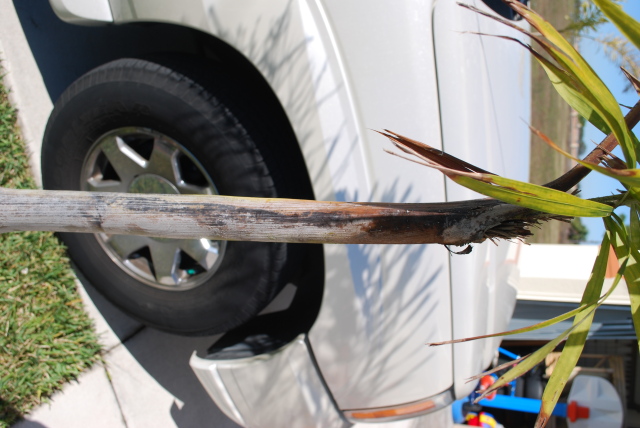
Diagnosing Foxtail Palm Stress: Rootbound Planting, Overwatering, and Fertilizer Timing
Root Cause: Compromised Root Balls Eleven 6-foot foxtail palms from a closeout sale had severely circling roots from nursery containers. Despite loosening at planting, the root systems never properly established – causin
Protecting Subtropical Plants During Florida Cold Snaps: Frost vs. Freeze Prep
Know Your Threat: Frost vs. Freeze West of I-75 in SW Florida: expecting frost (mid-30s), not freeze. This distinction drives protection strategy. Plant-by-Plant Triage Likely fine: Arecas, palms, oleander, bottlebrush
Foxtail and Christmas Palm Freeze Response: Patience Over Panic
Frost vs. Freeze: Critical Distinction North Port (east of I-75) got a freeze; west got a hard frost. Frost causes superficial frond damage with full recovery. Freeze can kill roots and crowns. What NOT to Do Dont wate
Assessing Freeze Damage: Papaya, Banana, Gardenia, and Rubber Tree Recovery
Species-by-Species Prognosis After three freezing nights north of Daytona Beach: Papaya – Likely Lost Papayas (Carica papaya) are extremely cold-sensitive. Even covered, they rarely survive hard freezes. Action: Remove
When to Prune Freeze-Damaged Bougainvillea and Tropicals in Central Florida
The Golden Rule: Wait One Week Minimum After a freeze, resist pruning for at least a week. This allows the plant to reveal the true extent of damage – living tissue will show signs of life; dead wood becomes obvious. Bo
Diagnosing a Declining Fan Palm After Transplanting
One Thrives, One Declines: Root Damage Likely Two 20-year-old fan palms transplanted a year ago – one flourishing, one with dried fronds. The difference almost certainly lies in root system integrity during the move. Wa
Traveler's Palm Leaning Toward Light: Prune, Don't Transplant
Phototropism in Action Travelers palms (Ravenala madagascariensis) leaning eastward are simply reaching for the strongest light source. At 15 feet tall with no visible trunk yet, theyre exhibiting normal phototropic beha
Fungus Gnats in Corn Plant Soil: Repot to Eliminate the Source
The Real Problem Isnt the Adult Gnats Fungus gnats (often called knats) breeding in potting soil indicate overly moist, organic-rich soil – their larvae feed on fungi and root hairs. The plants decline is likely from roo
Cold-Stressed Lychee and Avocado: Covering Traps Moisture, Causes Desiccation
Why Covered Plants Show Drought Symptoms Plants covered for 3 nights without watering develop dried, brown leaves that mimic drought damage. The covering traps transpired moisture, creates high humidity, then the foliage
Canary Island Palm Freeze Damage: When Mid-20s Prove Fatal
Young Palms Are Most Vulnerable Newly planted Canary Island date palms (Phoenix canariensis) in 5-gallon containers, hit by mid-20s temperatures a week after planting, show classic terminal freeze damage: yellowing, dryi
Basal Suckers on Indoor Palms: Areca Palm Growth Habit
Identifying Your Palm From your description – single trunk, 3 feet tall, basal shoots, from a funeral arrangement – this is almost certainly an Areca palm (Dypsis lutescens), commonly sold as a decorative indoor palm. B
Foxtail and Christmas Palm Recovery After 27°F Freeze
Reading the Survival Signs After two nights at 27°F, your foxtail and Christmas palms have brown fronds. The critical indicator is the emerging spear (center frond) in the crown. What to Watch For Good sign: Spear is g
Assessing Cold Damage in Lychee and Avocado Trees
The Scratch Test: Reading Bark Color Scratching the bark reveals the cambium layer – green means living tissue, brown indicates dead. Your lychee shows brown under the bark but a whitish-green center in a clipped branch,
Identifying and Treating Scale Insects on Jade Plants
Those White Dots Are Scale, Not Fungus The tiny white dots on older jade leaves that scrape off with a fingernail but dont rub off are almost certainly scale insects – likely armored scale, not mealybugs (which have a co
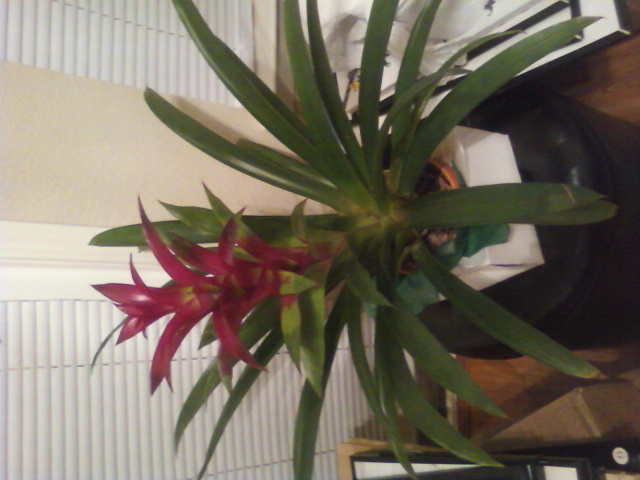
Bromeliad Care: Managing Blooms, Pups, and the Mother Plant's Life Cycle
Understanding Your Silver Vase Bromeliad The Aechmea fasciata Primera (Silver Vase or Urn Plant) has a pink spike that is the flower bract – the actual small purple flowers emerge from it. Once those purple flowers fade
Germinating Queen Palm Seeds: Skip the Soak, Plant Directly
Queen Palm Seed Basics Queen palm (Syagrus romanzoffiana) seeds should be orange when collected – thats their natural ripe color when they drop in habitat. Fresh seeds have only a 10-30% germination rate under ideal cond
Saving Freeze-Damaged Banana Plants: Cut Back and Mulch
Banana Plants After a Hard Freeze On the Mississippi Gulf Coast, banana plants (often called banana palms) took a hit from below-freezing temperatures. The tops are completely brown with no green visible, but the undergr
Pruning and Propagating an Overgrown Corn Plant (Dracaena)
Managing a Ceiling-High Corn Plant A mature corn plant (Dracaena fragrans Massangeana) thats hitting the ceiling can be cut back without harm. When you truncate the main stem, it will respond by producing side shoots fro
Copyright © www.100flowers.win Botanic Garden All Rights Reserved