
Christmas Palm (Adonidia) Cold Stress and Overwatering in Winter
Two Problems at Once Brown fronds on a recently transplanted Christmas palm (Adonidia merrillii) in December result from cold sensitivity + excessive winter irrigation. Corrective Actions Reduce watering: only when soi

Identifying and Caring for Flowering Corn Plant (Dracaena Massangeana)
Confirmation Your plant is Dracaena fragrans Massangeana, commonly called corn plant. The fragrant, night-blooming white clusters are typical of mature specimens. Care Summary Water when top 2 inches of soil are dry. F
Dividing a Large Bamboo Palm Clump Near a Patio
Why Division Is Risky Bamboo palms (Chamaedorea seifrizii) grow from a dense rhizome network. Splitting a 15-foot, 20-cane clump often severs too many roots, causing decline or death. Better Approach: Relocate the Entir
Alocasia Polly Ingestion by a Child: Toxicity Assessment
Oxalate Crystal Irritation Alocasia (elephant ear) contains calcium oxalate crystals and asparagine. Chewing causes immediate burning, swelling, drooling, and stomach upset. It is rarely life-threatening but very uncomfo
Struggling Parlor Palm: Root Damage May Be Irreversible
Signs of Terminal Root Rot Pale, dry new fronds and recurring white film (likely mineral deposits or fungal spores) after repotting, rainwater irrigation, and drainage improvements suggest the root system is too damaged
White Fuzzy Mold on Majesty Palm Soil
Saprophytic Fungus, Not a Plant Killer The white fuzz on the soil surface is a harmless saprophytic fungus feeding on organic matter. It indicates overly moist conditions but doesnt attack the palm. Solution: Soil Repla
Rubber Plant Leaf Spot in South Texas Winter
Fungal Leaf Spot from Cool, Wet Conditions Yellow spots expanding to brown, curling leaves on rubber tree (Ficus elastica) in winter indicate fungal infection triggered by cool nights and leaf wetness. Management Remov
Sago Palm Cold Damage at 11°F: Assessment and Recovery
Hardiness Limit Exceeded King and Queen sagos tolerate brief drops to 20°F. At 11°F, fronds yellow and die. The critical question: did the crown (growing point) and roots survive? Immediate Steps Move container to a fr
Tree Fern Root Invasiveness Near Pools
Low Risk, But Caution Advised Tree ferns (Cyathea, Dicksonia) have fibrous, non-woody roots that rarely damage pool shells or plumbing. However, any large plant near a structure poses some risk. Best Practice Plant at
Treating Spider Mites on Indoor Palms
Identifying the Problem Sticky residue on fronds + spreading to nearby plants = spider mites. These tiny arachnids suck sap and excrete honeydew. They thrive in dry, warm indoor air. Alcohol Spray Treatment Mix 1 part
Dracaena Massangeana (Corn Plant) Care and Cat Safety
Basic Care Dracaena fragrans Massangeana thrives on neglect: Water only when top 2 inches of soil are dry. Fertilize every 3 months with soluble fertilizer (Miracle-Gro, Peters). Provide 5+ hours of bright, indirect lig
Watering a Large Container Palm in Northern Ohio
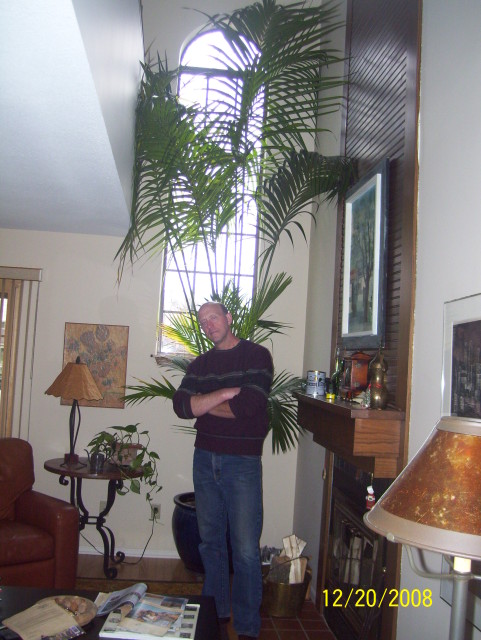
Seasonal Watering Adjustments An 18-foot palm in a container (likely Areca or Majesty) needs less water as temperatures drop. Growth slows, so uptake decreases. Overwatering in cool conditions causes root rot. Practical
Winterizing Bougainvillea in Central Texas: Pot Up or Mulch Heavy
Two Strategies for Zone 8a Central Texas freezes kill bougainvillea left unprotected in ground. Option 1: Containerize and Bring In (Best) Prune back hard (they respond well) Dig root ball, pot in container Keep as hou
Rescuing a Dying Indoor Palm: Drainage Crisis and Outdoor Transition
Immediate Crisis: No Drainage = Root Rot A $16 palm in a plastic pot inside a clay pot – neither has drainage holes. Yellowing lower fronds and brown tips = classic root rot from standing water. Emergency Repotting Rem
Indoor Palm for Low-Light Atrium: Lady Palm Is the Answer
Defining Indirect Light Indirect light = bright illumination without direct sun rays. Fluorescent lighting alone is insufficient for most palms – they need intensity that artificial lights rarely provide. Best Choice: L
Bonsai Ponytail Palm Rot: Overwatering Kills the Caudex
The Swollen Base Is a Water Reservoir Ponytail palms (Beaucarnea recurvata) store water in their bulbous caudex. Wet feet = rotted roots = mushy caudex = sudden collapse. What Happened Three plants in one small ceramic
Eradicating Aphids on Indoor Bird of Paradise: Complete Soil and Foliage Treatment
Identifying the Infestation Small black elliptical insects (1.5mm) on flowers and stalks, not leaves – classic aphid behavior. They cluster on tender new growth and flower parts. Nuclear Option: Total Reset Move plants
Encouraging Basal Suckers on Mature Golden Cane Palm
You Cant Force Suckering A 10-year-old golden cane palm (Dypsis lutescens) with 9 trunks at 6 meters but no basal suckers – this is genetically and age-determined. Some clump heavily; others stay vertical. Optimal Condi
Queen Palm Trunk Splitting: Normal Aging, Not a Crisis
Vertical Splits Are Common A 12-year-old queen palm with 1-2 foot vertical splits halfway up the trunk is exhibiting a normal phenomenon in this species. The fibrous trunk expands and contracts, creating fissures. When
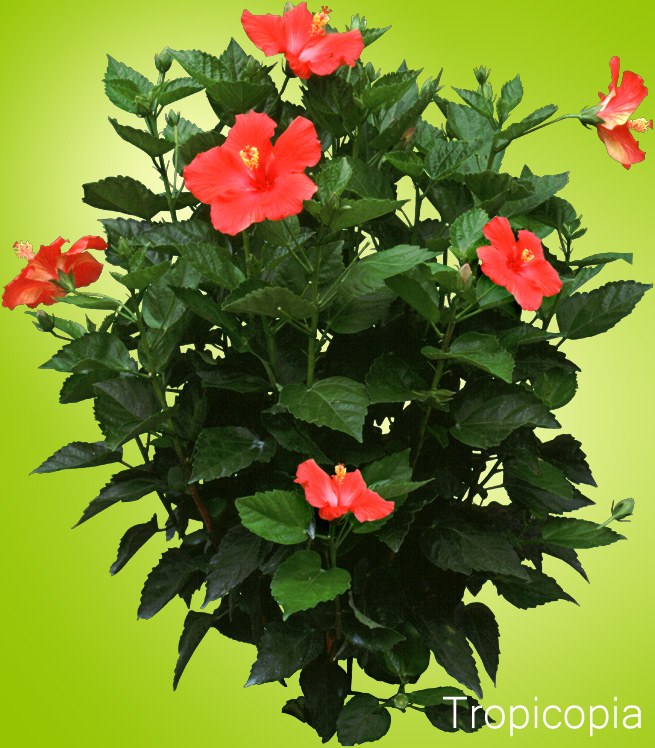
Eliminating Hibiscus Pests Brought Indoors: Soil Sterilization Required
The Indoor Hatch-Out Problem Tiny black insects on hibiscus flowers and windows after moving indoors? Insect eggs in the potting soil hatched in the warm indoor temperatures. Soil treatment before bringing plants in is e
Copyright © www.100flowers.win Botanic Garden All Rights Reserved