


You've picked the spot, dreamed the harvest—now let's get dirty. This practical, weekend-friendly plan transforms a 6×10-foot patch of grass into a productive vegetable garden, even if you're starting late. No tiller? No problem. We'll cover both mechanical and manual methods, plus a budget-friendly supply list.
Ideally, you'd test soil in fall. Since we're moving fast, we'll amend based on typical East Coast sandy silt: low organic matter, acidic pH. Add:
These amendments improve fertility, structure, and pH simultaneously.
| Item | Quantity |
|---|---|
| Round-point shovel (long handle) | 1 |
| Sturdy hand trowel | 1 |
| Knit gloves with rubber grip | 1 pair |
| Tomato cages (tall) | 4 |
| 6-ft garden stakes | 3 |
| Twine | 1 roll |
| Bagged compost/manure | 1–2 bags |
| Organic fertilizer (4 lbs) | 1 bag |
| Pelletized lime (3 lbs) | 1 small bag |
| Mulch (2 cu ft bags) | 2–3 bags |
This smothers grass while building soil organically. Less digging, same results.
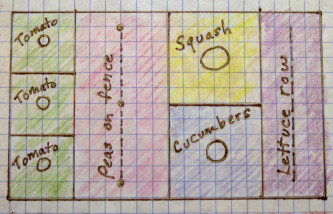
Mark positions with sticks, rocks, or plant labels.
Wait for a dry day (soil shouldn't clump like mud). Then plant! Cool-season crops (peas, lettuce) go in early; tomatoes, cukes, squash after frost danger passes. Water well, stake tomatoes immediately, and mulch around seedlings.
Regional note: Fertilizer/lime rates vary by soil type. Adjust based on local extension advice. For ongoing help, visit the Dave's Garden Beginner Vegetable Gardening forum.
Your garden is now "empty of greenery but full of hope." Let's grow something delicious.
Starting a New Garden: Essential Planning Tips for Success
Hydroponic Systems for Indoor Gardening: A Complete Beginner's Guide
Landscaping with Kids: Turning Yard Work into Family Fun
Plan Your New Garden for Guaranteed Success
Build Your Own Human Sundial: The Analemmatic Sun Clock
8 Creative Uses for Your Side Yard
Revive a Tired Summer Garden: 5 Quick Fixes for Midseason Slump
New Garden Bed Preparation: Dead Sod Removal vs. Incorporation
Starting a Simple Perennial Garden in Chicago (Zone 5): Top 10 Reliable Plants and Spring Bulbs
Perennials in Your Garden: Lasting Beauty with Less Work
Top Gardening Trends for 2024: Small Spaces, Big Impact
Decorate Your Garden with Stylish, Functional Storage Sheds
Garden Design Principles for a Cohesive, Beautiful Outdoor Space
Copyright © www.100flowers.win Botanic Garden All Rights Reserved