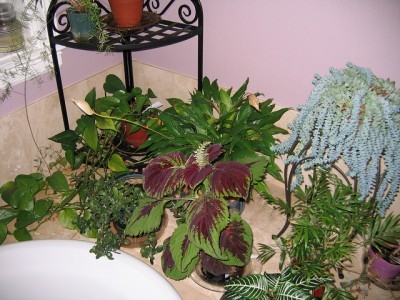


Overwintering Pond Cannas Without a Basement
You have cannas in a pond basket and need a basement-free overwintering method. Options: Cool, dark, dry spot above 40°F (4.4°C) and below 50°F (10°C). Trench method: Dig an 18-inch-deep trench next to the house on a so

Why Your Wisteria Isn’t Flowering: Sun, Pruning, and Feeding
Your two-year-old wisteria has lush growth but zero flowers. Wisterias need: At least 6 hours of full sun Heavy pruning and proper feeding to promote flowering Soil that doesn’t dry out completely and a moderate pH See
Calla Lily Flower Fading: When to Cut and Whether to Save Seeds
Your calla lilies are thriving, but flowers turn yellowish and close up. This is normal—they’re forming seed pods. Cut the stems off at this point to save the plant’s energy unless you want to collect seeds. Note: If the
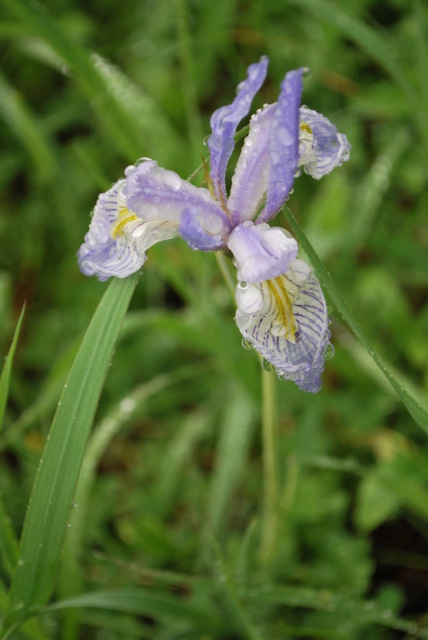
Identifying a Wild Iris in the Black Hills of South Dakota
You spotted a solitary iris in the Black Hills. It’s likely Iris missouriensis, a species native to northern North America, which matches your location. For a definitive ID, consider consulting a plant identification exp
Tree Ferns After a Harsh UK Winter: Assessing Survival and Future Protection
You’ve had three Dicksonia antarctica tree ferns for 11 years. After a bad winter, one fermented in the crown and the other two haven’t resprouted. They’re in fertile, moist soil with only evening summer sun in a north-f
Brown Leaf Tips on Potted Hydrangea: Sun, Water, or Cold?
Your potted hydrangea’s leaf tips are browning. You fertilized at planting and aren’t sure if it’s too much or too little water. Can you remove the brown leaves? Likely Causes Hydrangeas like consistent moisture—if und
Transplanting a Blooming Clematis: Timing and Technique
You need to move a clematis that’s starting to bloom a few feet to a new trellis after a windstorm. The best times are early spring or early fall, but you can transplant now with care. How to Move It Successfully Snip
Growing Tree Peonies from Seed: A Long-Term Project
Your tree peony bloomed for the first time in nine years (thanks to more sun after tree removal). Five large, hard seeds have formed where the flower was. Yes, they’re seeds—and you can grow new plants, but patience is e
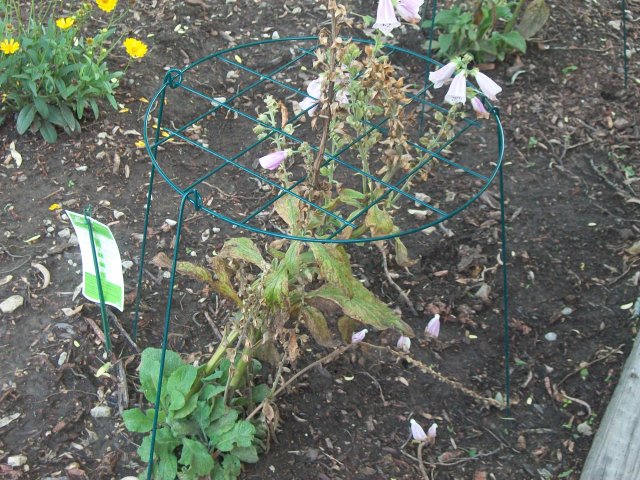
Revitalizing Spent Foxglove Stalks After Rain and Heat
Your Missouri foxglove looked great until heavy rain and heat left the stalks looking “spent”—blooms faded but not dead. Here’s how to handle it. Perennial vs. Biennial Foxglove Perennial foxglove will send up new growt
Perennials for a Partial Shade Border
For a 6 x 1.5 border in partial shade (Zone 5): Hostas (diverse foliage), Coral bells (Heuchera, colorful leaves), Stella dOro daylilies (reblooming), Chrysanthemums (fall color). Assess exact shade density for best sele
Yellowing Lily of the Nile (Agapanthus) Leaves: Causes and Cures
Agapanthus leaf yellowing stems from four main causes; identify yours by checking conditions. Cause & Fix Table CauseSymptomsFix OverwateringSoggy soil, mushy rootsImprove drainage; water only when top 5 cm dry Underwat
Reviving Non-Blooming Divided Stella d'Oro Daylilies
Stella dOro divisions that fail to bloom after two years usually lack nutrients, sun, or both. Recovery Checklist Soil: Amend with 5 cm compost at planting; top-dress annually. Sun: Minimum 6 hours direct; move if shade
Black-Eyed Susan Leaf Scorch: Drought or Disease?
Lower leaves drying and turning blackish-brown on budding black-eyed Susans (Rudbeckia) in summer heat usually indicates drought stress, not disease. Diagnosis No pests visible → unlikely insect/virus. Rudbeckia is gene
Deadheading Shasta Daisies for Repeat Bloom in Albuquerque
Shasta daisies (Leucanthemum × superbum) in Albuquerques high desert (Zone 7) give one major flush, then sporadic rebloom. Proper deadheading maximizes the second wave. Deadheading Method Follow faded stem down to next
Pruning English Holly for Berry Production and Shape
English holly (Ilex aquifolium) pruning balances berry display with desired form. Berries form on previous years wood. Pruning Principles Timing: Late winter/early spring (before new growth) OR immediately after floweri
Leaving Gladiolus Corms In-Ground in Mild Climates
In zones where gladiolus corms dont freeze (Zone 7+), leaving them in ground has pros and cons. Benefits Larger corms → sturdier stems, bigger flowers. Natural multiplication → more blooms over time. Less labor. Drawba
Diagnosing Clematis Pest Damage
Unidentified pests eating clematis despite sprays need specific ID for effective control. Common Clematis Pests Aphids: Clusters on new growth, undersides. Colors: green, yellow, black. Treat with insecticidal soap or s
Best Time to Water Gardens in Indiana Heat
During hot, dry Indiana summers, water early morning (5–9 AM) for maximum efficiency and plant health. Why Morning Wins Less evaporation loss. Foliage dries quickly → reduces fungal diseases. Plants hydrated before heat
Gladiolus Corm Storage and Replanting in Zone 6
Gladiolus corms are not reliably hardy in Zone 6. Annual lift-and-store ensures survival and bloom quality. Fall Protocol (After First Frost) Dig corms; shake off soil (do not wash). Cut foliage to 2 cm. Cure 2–3 weeks
Yellowing Tiger Lily Leaves: Deer Damage vs. Drought
Tiger lily foliage naturally yellows after flowering as the plant stores energy in the bulb. Deer browsing accelerates this by removing photosynthetic tissue. Two Scenarios Deer-Browsed Plants Flowers eaten → no seed se
Copyright © www.100flowers.win Botanic Garden All Rights Reserved