
Tiny Red Worms in Bog Water + Brita Filter Warning
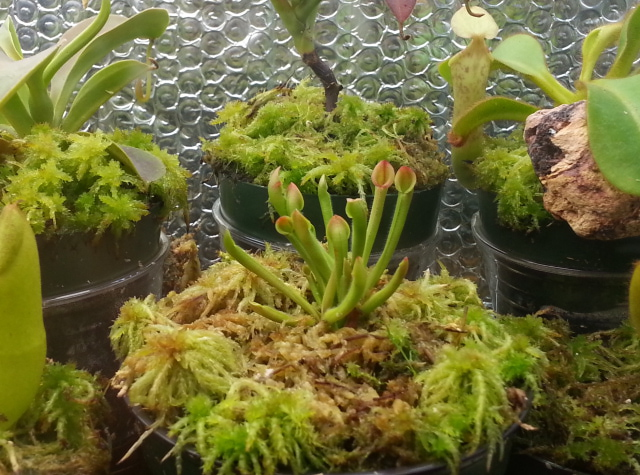
The Worms: Harmless Earthworms Small red worms emerging from pot bottoms = red earthworms (likely from peat moss eggs). Completely harmless — they aerate soil and break down debris. Pitcher Smell Bad odor from pitchers

Darlingtonia Seed Germination: Cold Stratification Required (Mostly)
Standard Method: Cold Stratification Darlingtonia seeds need 2 months of cold, damp stratification (refrigerator method). Your proposed mix (2 perlite : 1 peat : 1 orchid bark) with pure water is excellent for germinatio
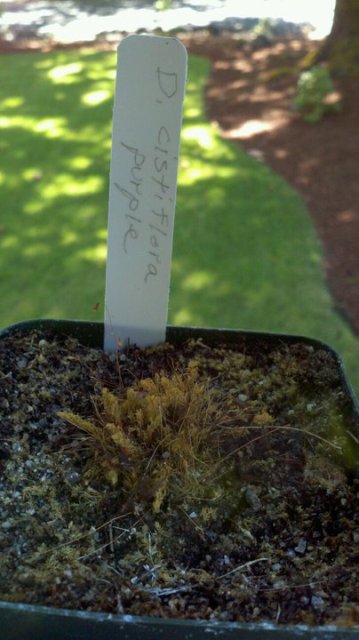
Drosera cistiflora Care: Winter-Growing South African Sundew
Drosera cistiflora Unique Growth Cycle D. cistiflora is a winter-growing, summer-dormant species from South Africa — opposite of most temperate CPs. Current Care (Summer Dormancy) Keep barely damp — not wet, not bone
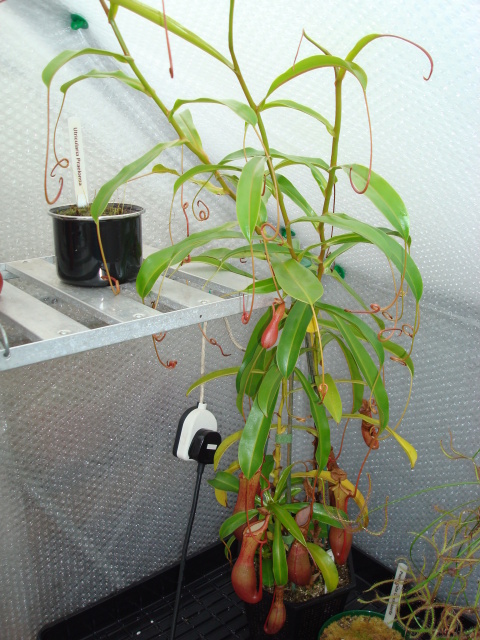
Nepenthes × ventrata Making Small Upper Pitchers? That's Normal Vine Behavior
Nepenthes × ventrata Whats Happening Your plant is transitioning to upper pitchers. As Nepenthes vines climb, they naturally produce smaller, differently shaped upper pitchers — adapted for different prey and light cond
Nepenthes hamata Care: Plastic Bag Won't Cut It—Get a Real Terrarium
You Bought a $50+ Plant—Protect the Investment A gallon zip-bag is a temporary emergency measure only. It traps stagnant air, promotes mold, and becomes unmanageable. N. hamata needs consistent high humidity and good air
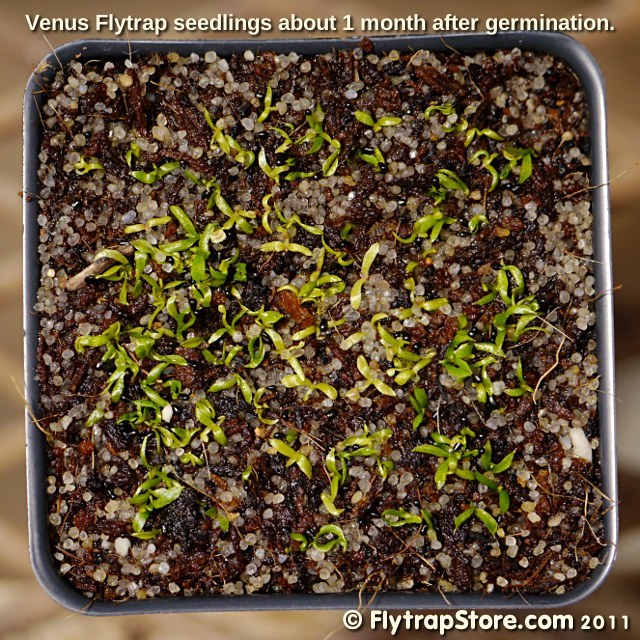
Venus Flytrap Seed Germination: Patience and the Right Guide
Venus Flytrap seedling Germination Timeline Venus Flytrap seeds take 12–30+ days to germinate depending on temperature, freshness, and conditions. Dont give up too soon. Complete Guide For a detailed, step-by-step tuto
Repotting Darlingtonia: Timing, Media, and Lava Rock Alternatives
If Its Happy, Dont Touch It Darlingtonia is far more sensitive to root disturbance than Sarracenia. If your plant is thriving in its current mix, leave it alone until spring. Best Repotting Window Warm climates (CA, So
Summer Planting of Sarracenia: Go For It—They Transplant Easily
Dont Wait Until Spring Sarracenia are among the easiest plants to transplant — far easier than most non-carnivorous perennials. As long as roots stay wet during the process, summer planting is fine. Keys to Success Nev
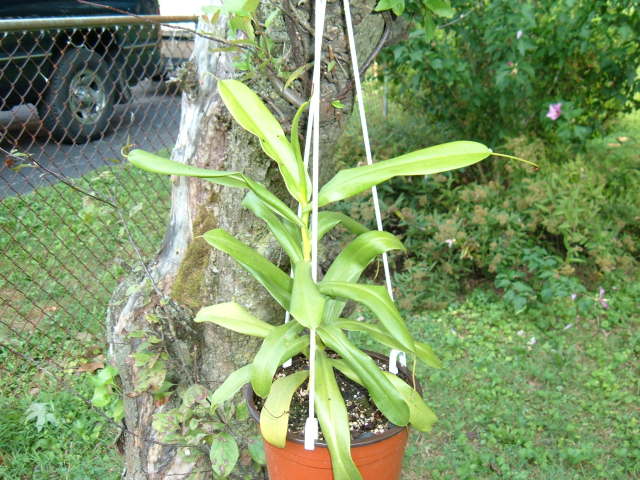
Nepenthes ventricosa Not Pitchering? Wrong Soil Mix and Summer Heat
Nepenthes ventricosa Problem 1: Soil Too Heavy 50/50 peat/perlite (+ some bark) is too dense for mature Nepenthes. They need an open, airy mix: Long-fiber sphagnum moss (base) Equal parts small orchid bark + perlite/pu
Why Isn't My 'All Red' Drosera filiformis Turning Red? Tannins and Time
The Red Pigment Secret: Soil Tannins The deep red color in D. filiformis Florida All Red and D. capensis All Red depends on tannins from breaking-down peat moss. Fresh peat = less tannins = greener plants. Whats Happeni
Foul-Smelling Sundew Soil: Sulfur Smell in Summer Is Usually Normal
That Rotten-Egg Smell? Likely Harmless In hot weather, anaerobic breakdown of peat produces hydrogen sulfide — a sulfur/rotten egg odor. Its common in summer and not necessarily root rot. When to Worry Odor is extremel
Whitney Farms Peat Moss: Safe for Carnivorous Plants?
Verdict: Likely Safe, But Verify Whitney Farms peat moss appears to be pure sphagnum peat without additives. However, always check the bag for fertilizer, enriched, wetting agent, or nutrient claims. Watch Your Plants A
Cobra Lily (Darlingtonia) Not Growing? Root Heat Is the Silent Killer
The Real Problem: Root Zone Overheating Your three stagnant Darlingtonia arent dying from neglect—theyre suffering from hot roots. Eastern U.S. summer heat bakes the soil in pots, collapsing the fragile root system. The
Long-Fiber Sphagnum vs. Peat Moss: Which Is Better for Carnivorous Plants?
The Short Answer: Peat Moss Wins for Most Bog Plants Cost & Availability Peat moss: Cheap, widely available in 2–3 cu ft bales. Long-fiber sphagnum (LFS): ~4× the cost, harder to find. Performance by Genus Sarraceni
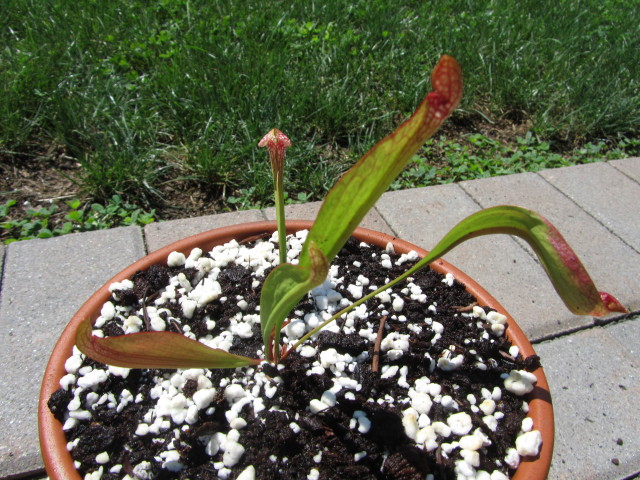
Mystery Sarracenia Identified: Likely 'Scarlet Belle' or psittacina × leucophylla Hybrid
Mystery Sarracenia Identification Without mature pitchers its tricky, but this is almost certainly a S. psittacina hybrid — very likely the cultivar Scarlet Belle or the species hybrid S. × wrigleyana (psittacina × leuc
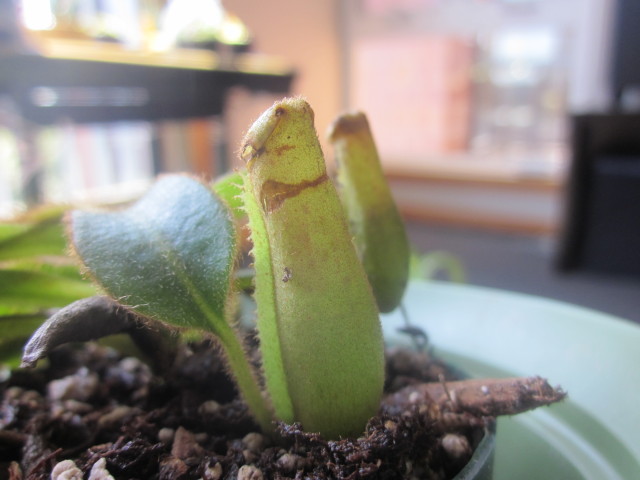
Nepenthes chaniana × veitchii: Sun Spots After Transition? Normal Acclimation
Nepenthes chaniana × veitchii Diagnosis The spots are likely from strong direct sun through a south-facing window combined with greenhouse-to-home transition stress. The diluted orchid fertilizer probably didnt help, bu
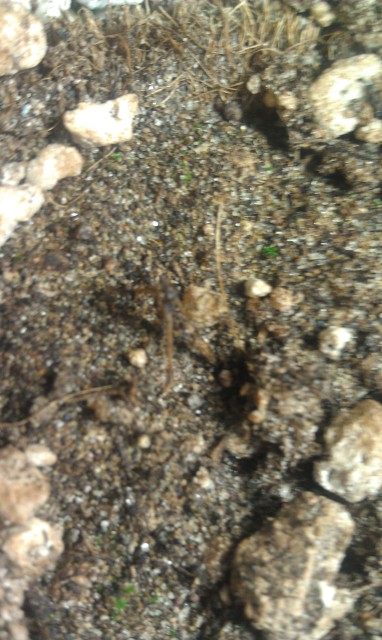
Dewy Pine (Drosophyllum) Cut Back: Is It Dead After Months With No Regrowth?
Drosophyllum lusitanicum after accidental cutting Verdict: Almost Certainly Dead If no new growth has emerged from the base or roots after this long (since June), the plant is dead. Drosophyllum does not reliably respro
Venus Flytrap Dormancy and Artificial Light in Tropical Climates
Artificial Light Transition: Yes, It Works Growing a recently dormant Venus Flytrap under artificial light before moving it outdoors is fine—if the light is strong enough (cool white fluorescents, close proximity, 14–16
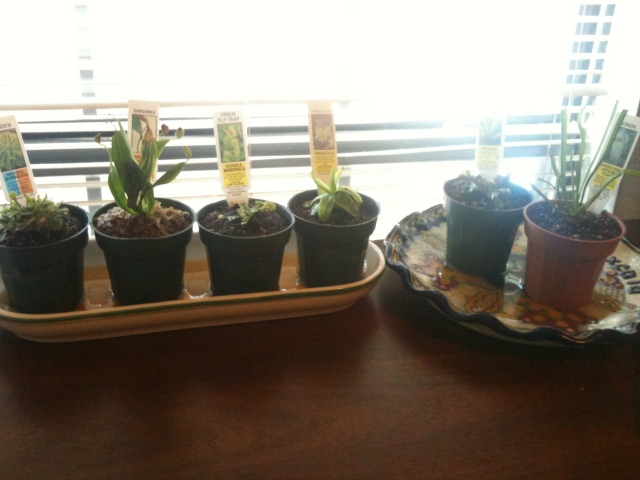
Indoor Carnivorous Plant Lighting: Skip Expensive "Plant Lights," Use Shop Lights
Indoor carnivorous plant setup Plant Light Needs Vary Full sun required: Venus Flytraps, Sarracenia (including Tarnok) — need 6–8+ hours direct sun or equivalent high-output artificial light. Bright indirect/partial su
Staghorn Sundew (Drosera binata) Dying Back in Summer? It's Likely Dormancy
Most Likely: Seasonal Dormancy Many temperate sundews (D. rotundifolia, D. filiformis, D. anglica, D. binata forms) begin dormancy in late summer. Blackening shoots, leaf drop, and apparent death are normal. D. anglica i
Copyright © www.100flowers.win Botanic Garden All Rights Reserved