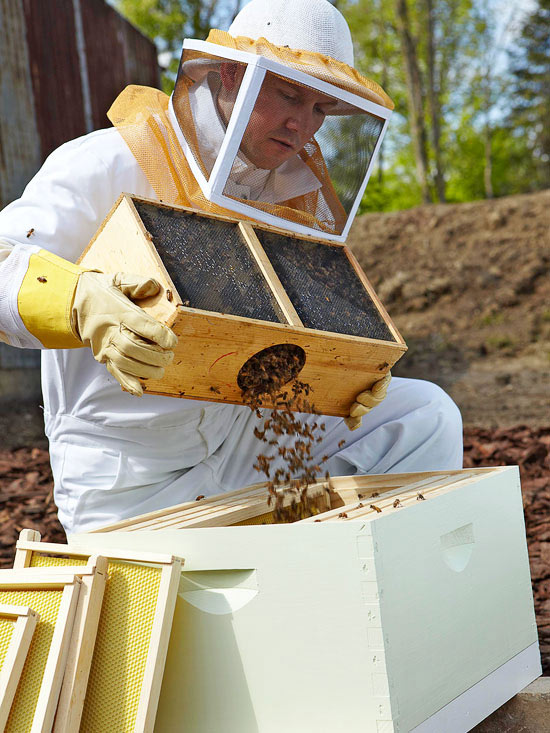

Chilling Water for Carnivorous Plants in Extreme Heat: Not Necessary
Cool Water Shocks Plants Refrigerating water to 40–50°F shocks plants, slowing metabolism until soil warms. May reduce vigor. Room-temp water (70s°F) works fine if desert care guidelines followed. Not necessary.

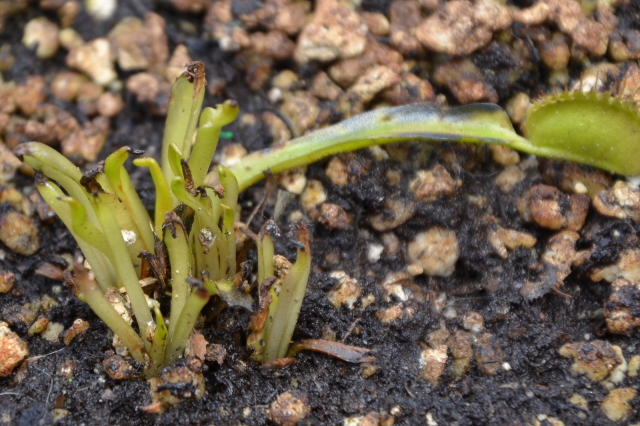
Brown Tips on Venus Flytraps: Repot in Fresh Soil
Mineral, Fertilizer, or Soil Issues Brown tips on small, pale traps indicate: hard water, fertilizer use, or wrong soil ingredients. Cutting tips wont fix it. Repot in fresh 50/50 peat/perlite (bale peat, no fertilizer).
Sarracenia Leucophylla 'Green' vs. 'Schnell's Ghost': Pigment Difference
True Heterophylla vs. Partial Pigment Schnells Ghost is a true heterophylla—no red pigment anywhere (yellow flower). S. leucophylla Green has green/white pitchers but shows red pigment in very young growth, leaf damage m
Transplanting Clustered Drosera Adelae: Do It Now or Wait
Repotting Sets Back Briefly Clustered D. adelae around pot edge can be transplanted now—will pause dew production for a couple weeks, then recover. Or wait 6 months for pot to fill completely. Follow video podcast for te
Drosera Rotundifolia Light Requirements: Partial to Full Sun
Flexible in Wild and Cultivation D. rotundifolia grows in full sun in wild but also thrives among sheltering plants. Partial sun (blocked by other plants) mimics natural habitat. Acclimate new plant gradually.
Tropical Bladderwort Dormancy: No Dry Rest Needed
Constant Moisture Works Tropical bladderworts (Utricularia) dont require a dry winter rest. In nature, they experience less rain but soil stays damp. Nursery keeps moisture constant year-round—plants thrive and prolifera
Growing Tropical Pitcher Plants in South Texas Heat
Indoor Windowsill Culture South Texas (100°F summers) can grow Nepenthes on sunny windowsills, not outdoors. Near Gulf, humidity helps. Recommended species/hybrids: N. sanguinea, ventricosa, albomarginata, alata, copelan
Damaged Sarracenia Alata Pitchers: Trim Broken Parts
Leaves Are Expendable Two developing pitchers bent and tops sliced off. Damaged pitchers wont become functional. Keep green parts for photosynthesis, clip brown parts. Plant will grow more leaves.
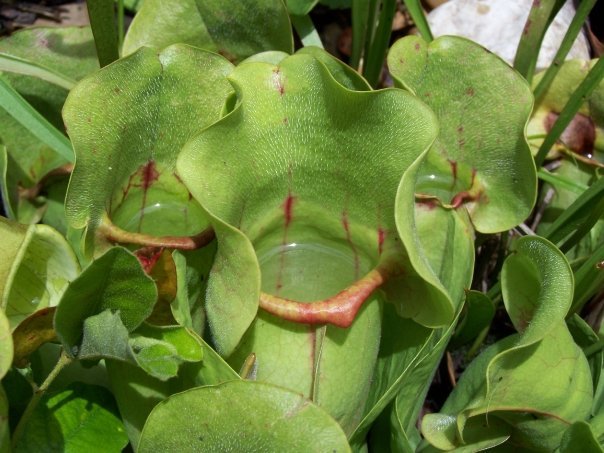
Identifying a Prostrate Sarracenia: S. purpurea ssp. venosa
Native Low-Growing Form Plant with pitchers lying on ground, dense and squatty, is Sarracenia purpurea ssp. venosa (native to northern FL through NC). Many reasons for dormancy failure, but it suits your region. See care
Venus Flytrap in Glass Vase: Likely Dead from Rot and Poor Dormancy
Multiple Fatal Errors Glass vase: no drainage, overheats in sun, accumulates heat/fungus. Flowered in summer (should be spring)—plant confused. Winter die-back normal, but overwatering in dormancy causes fatal rot. Repo
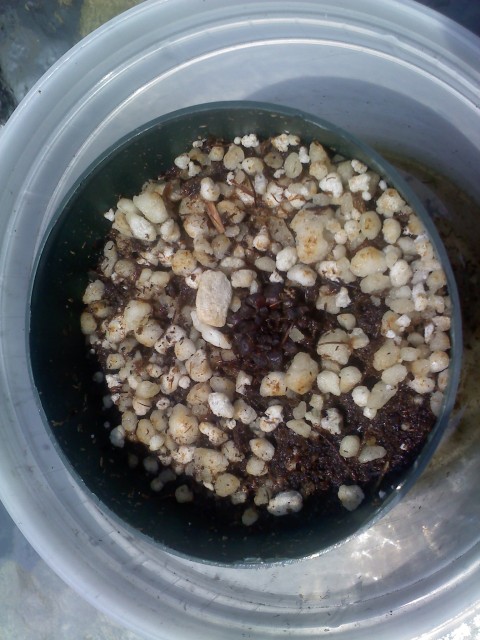
Drosera Filiformis Dead: Fungus Likely Cause
No Signs of Life D. filiformis shows no new growth or green on resting bud—likely dead. Fungus is common cause. No more filiformis releases except tracyi (available June).
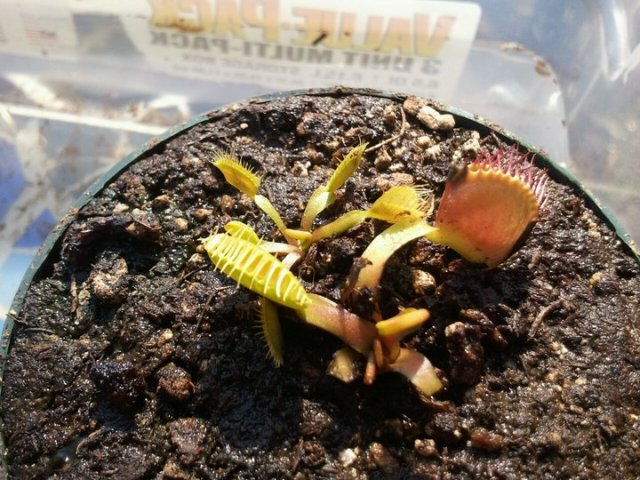
Venus Flytrap Spring Die-Back: Normal Seasonal Transition
Old Traps Die, New Ones Emerge Newly received flytrap has two rotting traps. Flytraps are semi-evergreen—old traps die in spring as new growth emerges from center. This is normal mid-spring appearance. By late June, plan
Putting Young Nepenthes Outdoors in Zone 8: Wait a Year
Indoor First Year Recommended New N. ventricosa × sibuyanensis and clipeata × eymae50°F. Expect fewer pitchers and smaller leaves outside.
Nepenthes Spectabilis Won't Pitcher: Humidity Is Key
Difficult Species, Needs High Humidity N. spectabilis often fails to pitcher in cultivation. East coast growers succeed due to higher summer humidity. In Montana (low humidity), it may never pitcher well. Reliable altern
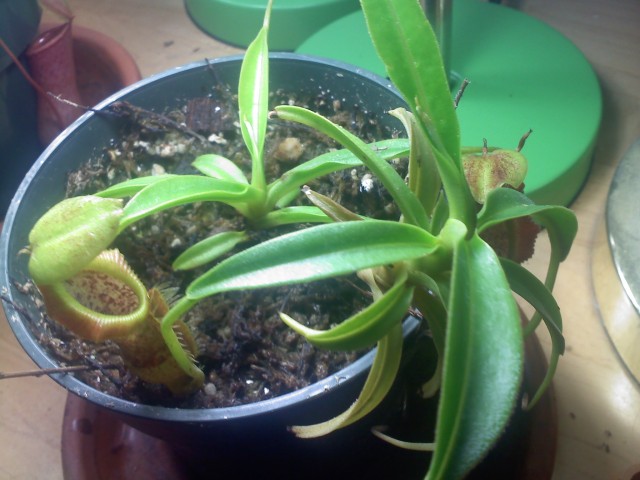
Nepenthes Singalana Outdoors in Hot Humid Climate: Keep Indoors
Sensitive to Fluctuations N. singalana can grow outdoors but is sensitive to light/temp/humidity swings—may stop pitchering all summer. Larger plants handle it better. Given this plants small size, keep indoors for summe
Venus Flytrap Traps Turning Black: Six Common Causes
Diagnose the Trigger Natural aging—trim dead parts, keep green for photosynthesis. Too dry/sunburned—ensure moist media, established roots. Too wet/rot—grow moist not soggy, discard drain water. Mineral buildup—flush me
Heavy Rain Flattens Sundews: They'll Recover
Natural Event, No Lasting Harm Flash flood rain flattened D. filiformis and D. intermedia in bog garden. Normal—plants rebound in 3–4 weeks. Check for soil erosion, refill and upright plants if needed. Then wait.
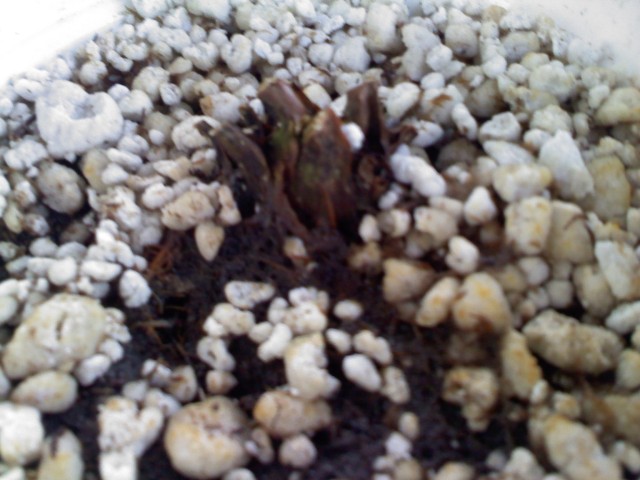
Sarracenia 'Judith Hindle' Recovery from Mold: Wait and See
Pitchers Emerging = Hope Plant attacked by mold in February, treated with fungicide/sulfur. Now sending up pitchers. If it survives, itll be small this year and maybe next. Unpotting, scraping dead tissue, and re-sprayin
Nepenthes and Sundews in Pots Without Drainage: Bad Idea
Drainage Essential Pots without holes cause water buildup, impurities, bacteria—Nepenthes hate standing water at roots. Drill holes or use proper pots. Fluorescent lights work for all: 2-tube shop light (3000 lumen cool
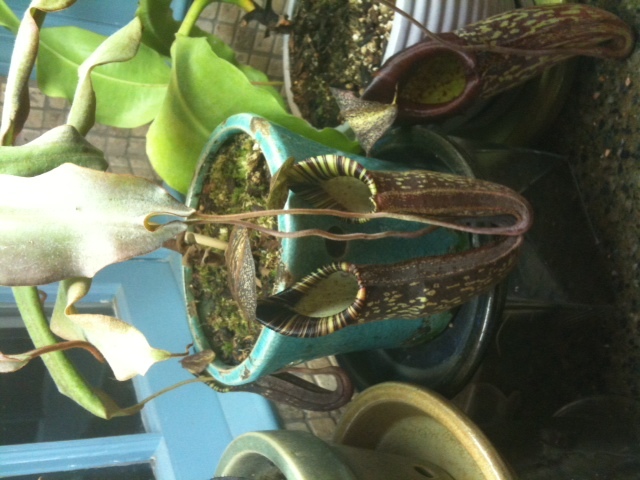
Rare Mutation: Two Pitchers on One Nepenthes Leaf
Unique Developmental Anomaly Photo shows two pitchers on a single leaf—extremely rare. Likely a developmental mutation (possibly virus-induced) creating two midribs. Preserve with florists silicon if desired, or let dry
Copyright © www.100flowers.win Botanic Garden All Rights Reserved