


Lighting Solutions for Nepenthes in Homes Without South Windows
Maximizing Available Light A grower in Southern California has east windows (5 hours morning sun) and west windows, but no south windows. East windows with 5 hours direct morning sun work well for Nepenthes ventricosa ×

Growing Drosera Regia Under Metal Halide Lights
Light Distance and Airflow Metal halide lamps work well for Drosera regia. Position a 400W lamp about 2 feet above plants. A gentle breeze is fine, but strong fans can damage leaves. Ensure the grow room cools at night.
Sarracenia and Venus Flytrap Dormancy in Tropical Highlands (Cairns, Australia)
Fridge Dormancy Not Needed for Sarracenia At 757m elevation near Cairns, winter lows reach 5°C (41°F), highs 22°C (72°F). Sarracenia will undergo a short natural dormancy with reduced daylight—no refrigeration needed. Ve
Mexican Butterwort Shriveling: Light Acclimation Mistake
Butterworts Need Gentler Light Than Sundews A Pinguicula laueana arrived healthy but shriveled after being moved from a sunny window to full eastern sun outdoors in New Jersey. Mexican butterworts prefer slightly shaded
Lance-Leaf Sundew Losing Dew: Too Much Sun?
Shade-Tolerant Species Burning in Strong Light A Drosera adelae (lance-leaf sundew) gets 6 hours of direct sun outdoors in New Jersey, sitting in RO water. Leaves brown and lose dew. D. adelae prefers shade—strong sun ca
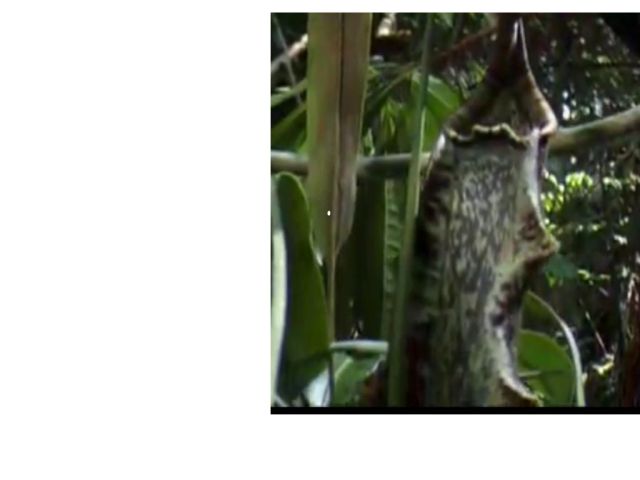
Identifying a Nepenthes with Prominent Wings: Likely N. rafflesiana
Distinctive Winged Pitchers A TV show featured a Nepenthes with large wings on the pitcher front. This trait is characteristic of Nepenthes rafflesiana or its hybrids. Few other species have such prominent wings.
Where to Buy Nepenthes 'Miranda'
Finding a Reliable Source Search online for Nepenthes miranda but prioritize established carnivorous plant nurseries to ensure quality. Sarracenia Northwest (cobraplant.com) periodically stocks this hybrid. Check their s
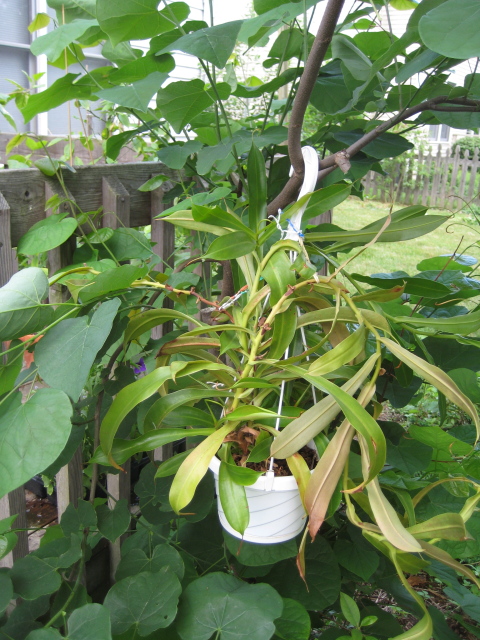
Pitcherless Nepenthes DeRoose Alata: Light Acclimation Is Key
Healthy Leaves, No Pitchers A two-year-old Nepenthes DeRoose Alata grows well in a west window but produced only one pitcher last fall. After moving outdoors for more light, still no pitchers. The grower suspects fertili
Nepenthes Ventricosa x Sibuyanensis Not Pitchering: Light and Temperature Factors
Why Your Hybrid Isnt Producing Pitchers A grower in Oregon has a healthy N. ventricosa × sibuyanensis in an east window (full sun), water tray, 65–75°F day/60–65°F night, but no pitchers for two months. Tendrils dry up.
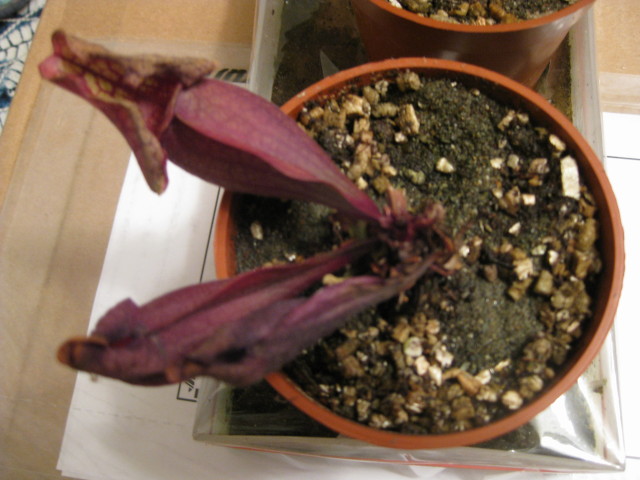
Sarracenia Purpurea Die-Back After Moving Outdoors: Causes and Fixes
Two Likely Culprits A two-year-old Sarracenia purpurea grown in a south-facing window in Vancouver produced small spring pitchers. After moving outdoors in June (morning sun, filtered afternoon sun), new pitchers dried a
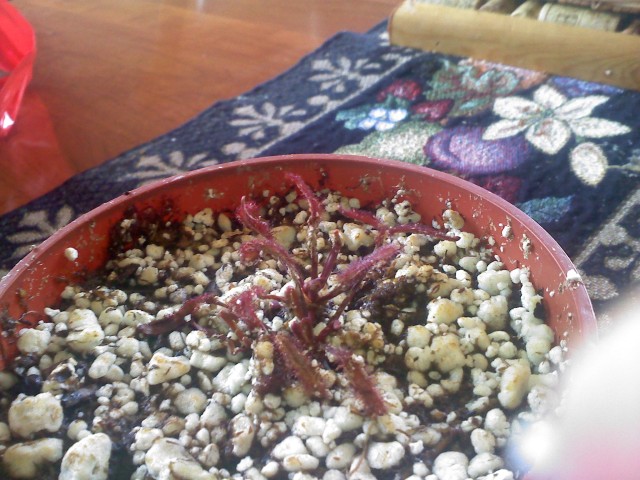
Why Cape Sundew Leaves Get Smaller in Full Sun
Normal Response to Brighter Light A Red Leaf Cape Sundew moved outdoors in May produced smaller leaves. This is a normal adaptation: in full sun, photosynthesis is more efficient, so the plant doesnt need large leaves. N
RO Water TDS 32 ppm: Safe for Sundews?
Yes, Its Within Safe Range Reverse osmosis water with 32 ppm TDS is fine for sundews. Recommended maximum is 50 ppm. Monitor periodically; if TDS approaches 50, change filters. Higher TDS near 50 may require annual repot
Protecting Sarracenia and Flytraps from Heavy Rain Soil Erosion
Simple Fixes for Splash Erosion Hard rain in Virginia exposes roots and beats up soil in carnivorous plant pots. Top-dressing with sphagnum moss or pea gravel prevents splash erosion. Flytraps and Sarracenia handle heavy
Cape Sundew Tentacle Curling: Stress from Environmental Changes
Why Moving Plants Causes Weird Growth A Cape sundew (Drosera capensis) was placed outside in shade for two days, brought in at night, then returned indoors. Afterwards, tentacles curled at odd angles, and pink spots appe
Drosera Dichotoma Dormancy and Indoor Lighting Schedule
Natural Dormancy Cycle Drosera dichotoma goes dormant in November or December with shortening daylight. It dies back to the roots (no hibernaculum like North American sundews). Keep soil just moist—avoid standing water b
Cooling Drosera Regia at Night: Low-Cost Techniques
Achieving the Required Night Temperature Drop Drosera regia (king sundew) thrives when nighttime temperatures drop significantly from daytime highs (75–80°F to 60–65°F). A grower using a HID light sees daytime temps of 8
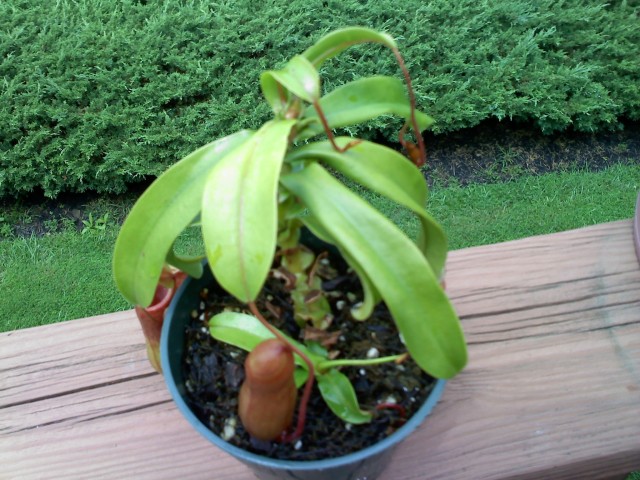
Using Crushed Marbles in Nepenthes Pots: Safe or Not?
Inert Drainage Material A grower asks if crushed marbles can line the bottom of a Nepenthes ventricosa pot without harming the plant. Since marbles are made of glass, they are chemically inert and pose no risk. They can
Protecting Carnivorous Plants During Vacation: Heat and Watering Strategies
Balancing Heat Shock and Dehydration A grower in a hot climate (110°F+ outdoors) plans to attend a week-long event in July. They have Sarracenia flava, Venus flytraps, and dewy pines currently getting 4 hours of direct s
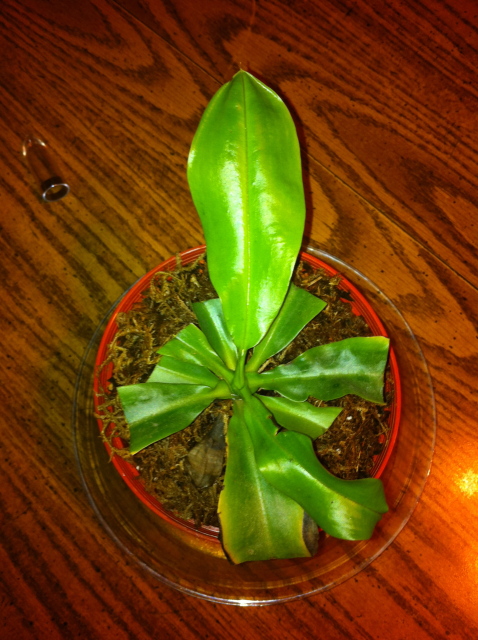
Growing Nepenthes Bicalcarata: Heat, Humidity, and Light Requirements
Why Your Bicalcarata Isnt Pitchering A grower has had a Nepenthes bicalcarata for over a year. It survived but never thrived. Recently repotted and placed in indirect sunlight above an aquarium for humidity, the plant lo
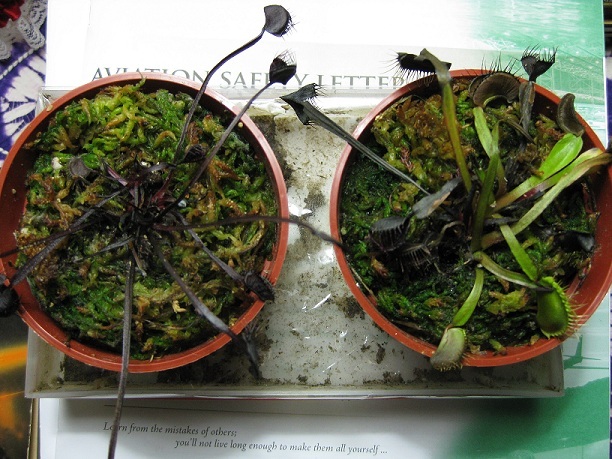
Reviving Stressed Venus Flytraps: Repotting, Light, and Leaf Pruning
Diagnosing the Problem A grower in the Pacific Northwest purchased two Venus flytraps (a typical green and a Red Dragon) three weeks ago. They were sold in pots with clear plastic humidity domes. After removing the domes
Copyright © www.100flowers.win Botanic Garden All Rights Reserved