

Live Sphagnum Top-Dressing: Beneficial for Sarracenia and Temperate Sundews, Not Just Decoration
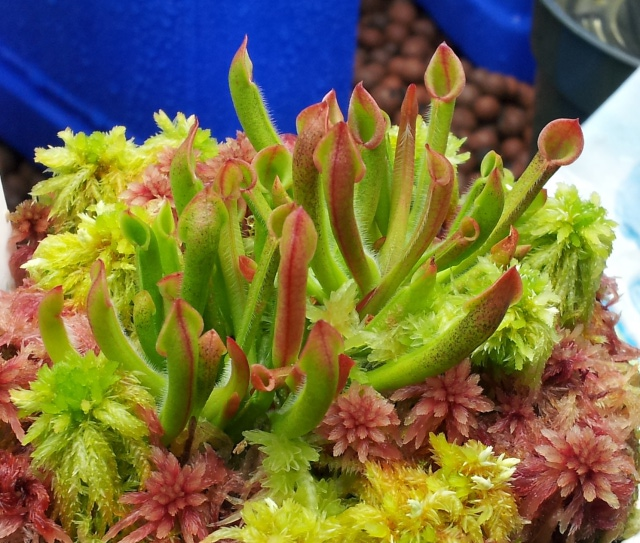
Live vs. Dead Sphagnum Live sphagnum: Dynamic, acidifying, beneficial microbiome — great for Sarracenia and temperate Drosera. Dried LFS: Mostly cosmetic top-dressing (reduces rain splash). Little biological benefit.

Bayer Advanced 3-in-1: The Insecticide/Fungicide Used by Sarracenia Northwest
Product ID The bottle in the video is Bayer Advanced Dual Action Rose & Flower Insect Killer (or the 3-in-1 version with fungicide). Active: Imidacloprid (systemic insecticide) + Tebuconazole (fungicide in 3-in-1). Why
Bog Garden Top-Dressing: Pea Gravel Helps, But Summer Watering Still Required
Top-Dressing Value Pea gravel is the best top-dressing — suppresses weeds, reduces evaporation, looks natural. Dry sphagnum works but blows away. Critical Reality You must water in summer. Rain alone wont suffice during
Limestone Gravel on Drosera spatulata: Remove What You Can, Flood the Rest
Immediate Action Remove visible grains with forceps — tedious but effective. Flood with distilled water to wash away finer particles. Risk Level Low. Limestone raises pH locally, but a one-time spill on established pl
Moving Nepenthes for Vacation: They'll Survive the Trip If Care Is Consistent
Risk Assessment Moving 7-year-old N. alata + 3 ventrata to a friends for 4 weeks: low risk if friend waters well and has a sunny window. Higher risk leaving them unattended. Transport Tips Large box, plant secured with
Planting Bare-Root Sundews: Direct Pot, Tray Water, Species-Specific Light
On Arrival Bare-root plants should ship in damp paper towels/sphagnum. Pot immediately into moist 1:1 peat:perlite (your existing mix is fine). Species Light Needs Temperate (need dormancy): D. rotundifolia, D. filifor
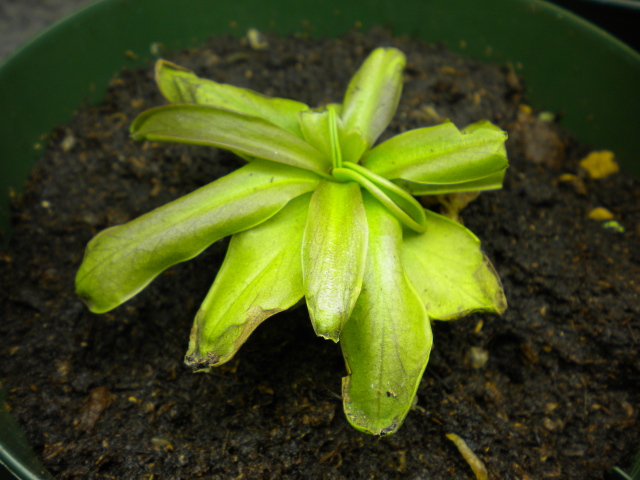
Butterwort (Pinguicula primuliflora) Old Leaves Browning: Normal Aging
Pinguicula primuliflora Totally Normal Your plant is P. primuliflora (curved new leaves confirm it). Older leaves naturally brown, dry, and die as new ones form. The curved new leaves producing dew = healthy active grow
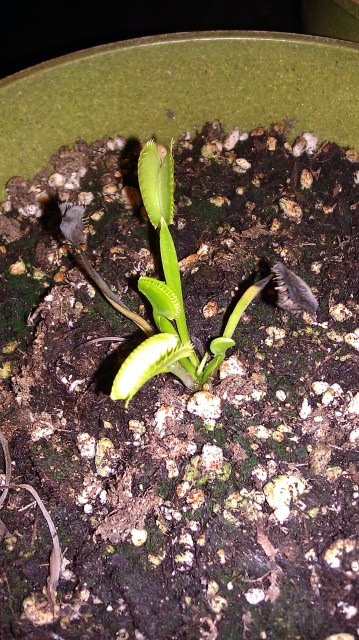
Venus Flytrap on Patio Looking Pale? It's Not Too Much Sun—It's Not Enough
Unhappy Venus Flytrap Diagnosis: Light Green = Starving for Sun Your flytraps are on a patio with 6+ hours sun, but the light green trap color proves insufficient light. Venus Flytraps need full, direct sun — same as to
Cape Sundew in Humidity Dome: Remove It, Chop the Plant, Watch It Regenerate
The Dome Was the Problem D. capensis is native to your region (South Africa) — it doesnt need extra humidity. The dome caused: Stagnant, overly humid air Reduced light (refraction through plastic) No insect access Th
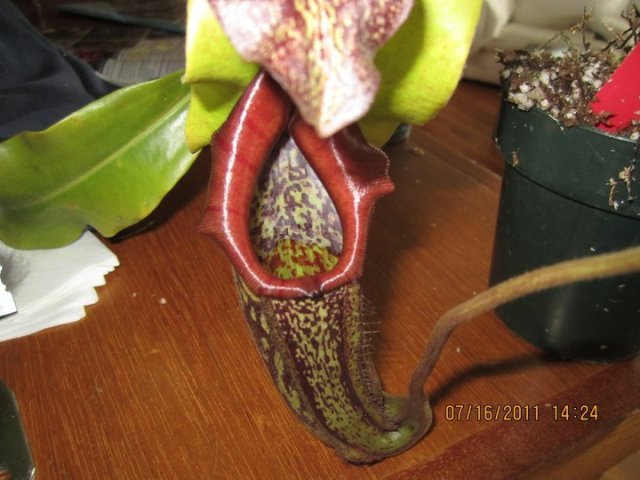
Mystery Nepenthes from Open House: Likely maxima Hybrid, Parentage Unknown
Open House Nepenthes What We Know From Sam Estes Poi Dog batch — tags lost, parentage unknown. Likely has N. maxima in its background (common in Hawaiian hybrids). Nepenthes hybrid ID is far harder than Sarracenia — hu
Red Spots on Sarracenia alata Lids: Aging Pigment or Harmless Mold
Two Likely Causes — Both Benign Natural aging pigmentation: Older pitchers often develop red spots, flushes, or full red coloration from intense light. This is a sign of good light exposure. Mold on nectar: Nectar drops
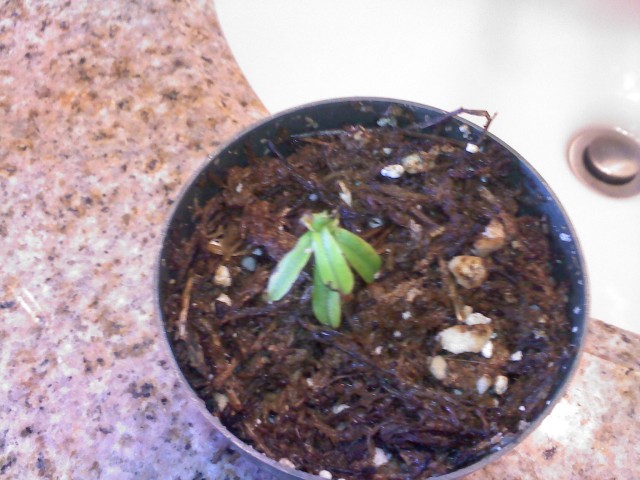
Nepenthes ventricosa with Black Roots After Repot: Normal Color, Just Needs Time
Nepenthes ventricosa Black Roots = Normal Healthy Nepenthes roots are naturally dark brown to black. This is not rot. The plant is in transplant shock — recovery takes weeks. Support Recovery ¼-strength orchid fertili
Drosera regia and Pinguicula Soil Mix: Moisture, Light, and Vermiculite
Drosera regia Troubleshooting May need more water: Try leaving a little water in the tray (unlike most Drosera, regia tolerates it). Cool night watering helps root function. Replace old tubes:1 year old fluorescents los
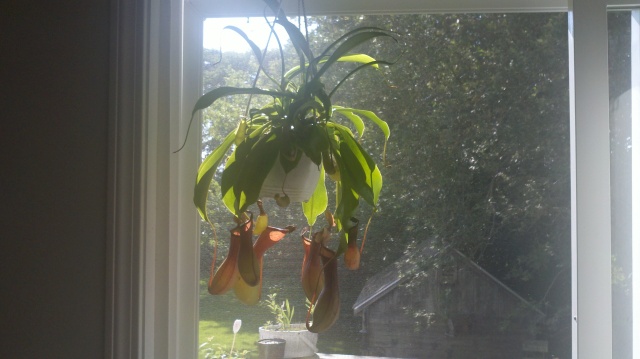
Nepenthes Lid Drying: Normal Transition, Not Death
Nepenthes with dried lids What Youre Seeing This is another N. × deRooses alata (sold as N. alata). The dried lids and pitcher loss are normal acclimation stress from store → home transition. What to Do Keep watered (
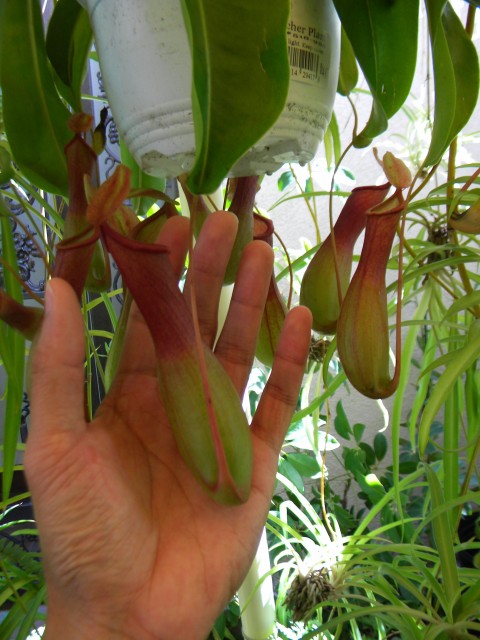
Home Depot Nepenthes Identified: 'deRoose's alata' — The Perfect Beginner Plant
Nepenthes from Home Depot Identification This is deRooses alata — Nepenthes (alata × ventricosa) × alata. An intermediate hybrid, vigorously growing, and one of the best first Nepenthes for new growers. Care Summary B
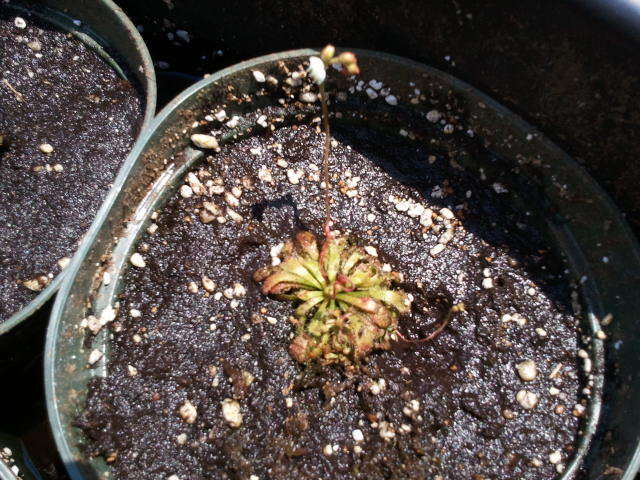
Identifying a Pale Drosera: Likely spatulata 'Fraser Island' or aliciae
Pale sundew Best Guess Drosera spatulata Fraser Island Form or possibly D. aliciae. The plant is extremely pale (etiolated) from insufficient light, making definitive ID difficult. Good News Youre moving it to sun — th
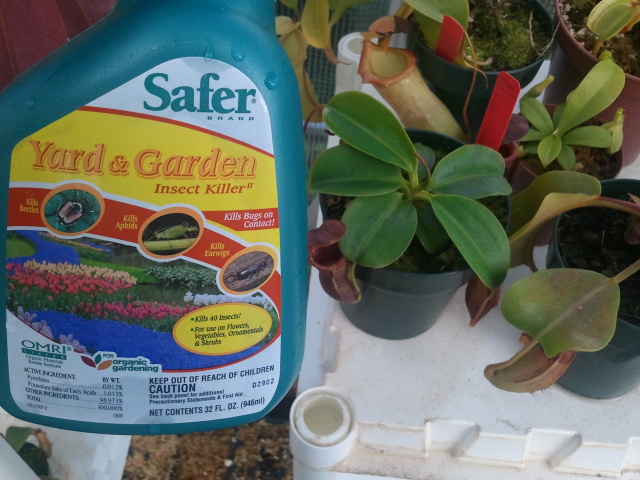
Safer Brand Insecticidal Soap + Pyrethrins: Avoid on Carnivorous Plants
Safer Brand insecticide Why Its Risky Insecticidal soaps break down into fertilizer-like compounds in the soil. Nepenthes and Sarracenia might tolerate it, but Drosera and Pinguicula can be damaged or killed. Better Al
Sporotrichosis Risk from Sphagnum Moss: Low With Basic Precautions
The Fungus Sporothrix schenckii (Rose Gardeners Disease) lives in soil and sphagnum. It enters through puncture wounds — common when handling thorny roses. Risk Level for CP Growers Very low. We dont typically handle sp
Superthrive for Carnivorous Plants: Safe for All, Best for Nepenthes and Transplants
Safety Profile Superthrive is safe on all carnivorous plants at recommended doses. One caveat: it can encourage algae growth in standing water. Best Uses Transplant recovery: Root soak (15 min) reduces shock dramatical
Why Southern Dewthread (Drosera filiformis tracyi) Has a Different Season Than Venus Flytraps
Different Origins, Different Clocks Venus Flytrap: Coastal North/South Carolina Southern Dewthread: Florida Panhandle (Gulf Coast) Same Zone, Different Reality Both are USDA Zone 8, but zones only reflect minimum wint
Copyright © www.100flowers.win Botanic Garden All Rights Reserved