

Aphids on Sundews: Identification and Safe Treatment
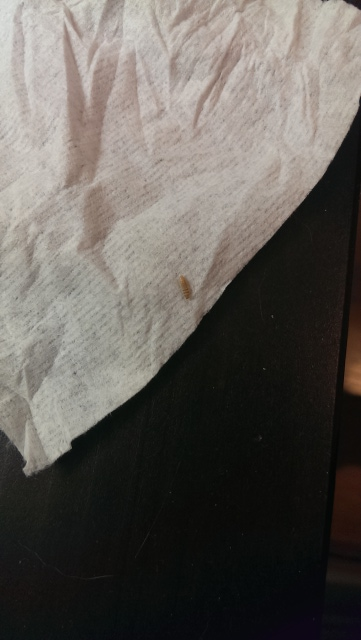
Diagnosis Small white/clear bugs on D. capensis and D. spatulata in Seattle = almost certainly aphids. Theyre common on sundews, especially in spring/early summer. Treatment Use a systemic insecticide safe for carnivoro

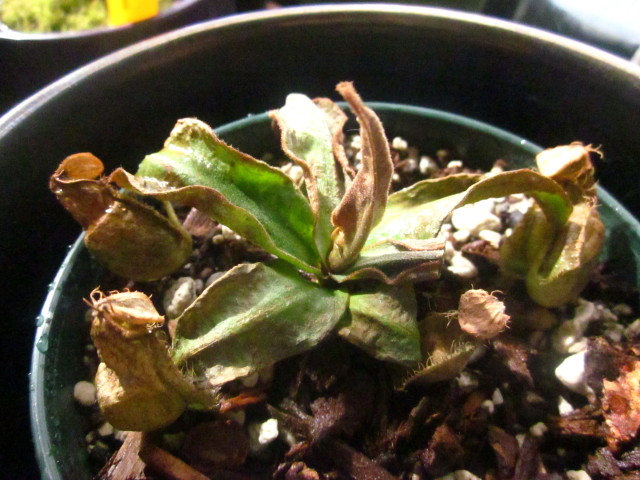
Saving a Withered Nepenthes ampullaria: Heat, Humidity, and Root Health
Struggling Nepenthes ampullaria The Core Issue N. ampullaria is a true lowlander—it requires consistent warmth (70°F+ nights, 80–90°F days) and high humidity. A windowsill in Portland wont cut it. Rescue Plan Enclosur
Do Cephalotus Flower Only Once? No—They Bloom Repeatedly With Proper Care
Flowering Is Not a One-Time Event Cephalotus can and do flower multiple times in their lifespan. Flowering depends on: Plant age/size — most bloom once they reach a certain maturity Health and nutrition — well-fed plant
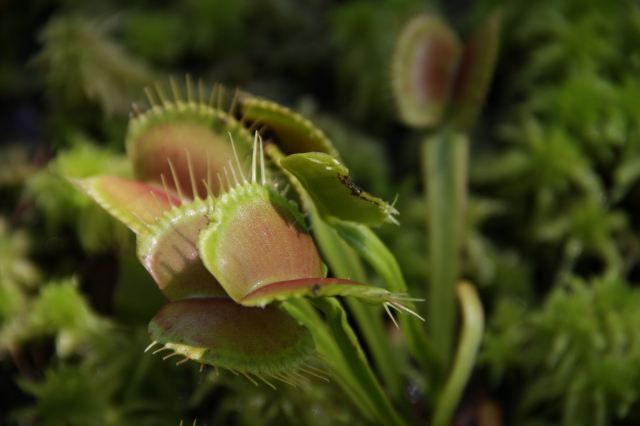
Venus Flytrap Deformed Traps and White Specks: Likely Aphids, Mealybugs, or Caterpillars
Venus flytrap with damage Probable Culprits Aphids, mealybugs, or whitefly — cause deformed traps, blackening new growth, white specks. Caterpillar damage — chewed trap edges visible in photo. Safe Treatment Use carn
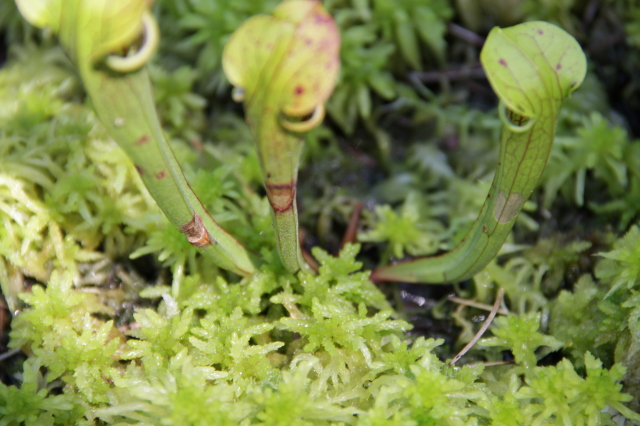
Brown Midsections on Sarracenia oreophila Pitchers: Insect Digest, Not Pests
Sarracenia oreophila Diagnosis The browning in the middle of the pitchers is not a pest—its decay from digesting large numbers of insects. This happens routinely in late summer when prey capture peaks. What It Means T
Can Cape Sundew 'Red Leaf' Handle 100°F+ Greenhouse Temps?
Short Answer: Not Well Drosera capensis Red Leaf slows down significantly above 100°F. It prefers cooler conditions (80s–90s°F). At 100–105°F with 40% humidity, it will likely struggle, lose dew, and may die back. Recom
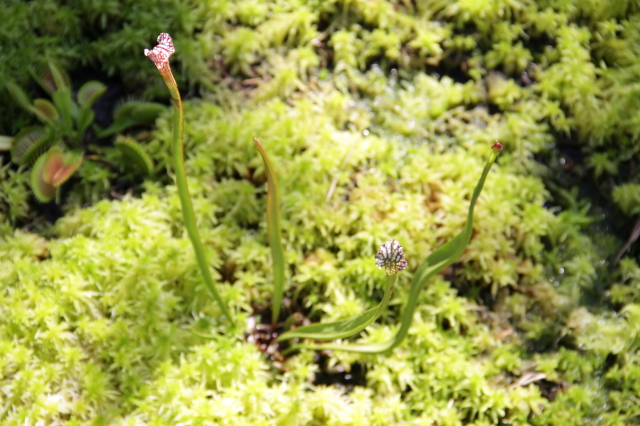
Sarracenia leucophylla Producing Tiny Pitchers? Recent Division Is Likely the Cause
Sarracenia leucophylla Primary Suspect: Recent Division S. leucophylla and other southern species recover slowly from division—often taking 1–2 years to produce characteristic large, well-formed pitchers. At Sarracenia
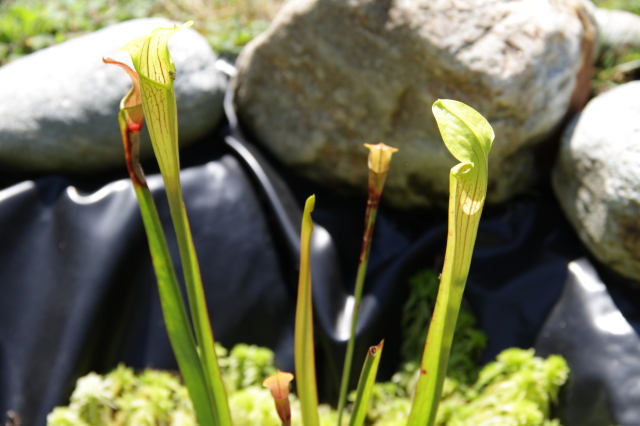
Sarracenia alata Pitchers Dying Fast? It's a Seasonal Thing
Sarracenia alata Species-Specific Timing S. alata is a southern species adapted to a long growing season and hot summers. In cooler climates (like Oregon), it often looks rough early in the season, then peaks in late Au
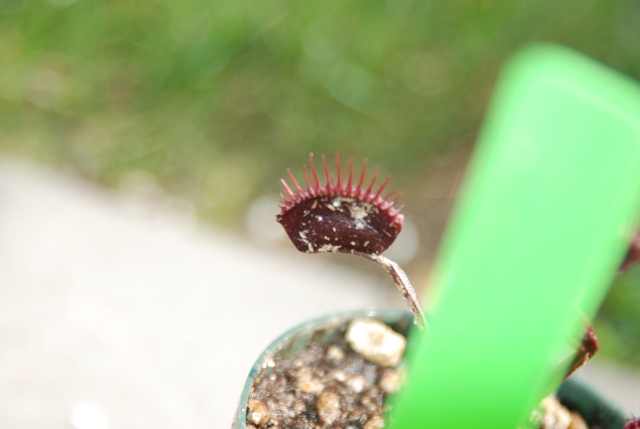
White Residue on Flytraps and Nepenthes: Perlite Dust, Not Pests
Venus Flytrap with white residue Diagnosis: Perlite Deposits The white powdery coating on your flytraps leaves is almost certainly perlite residue from soil splash during heavy rain or top watering. As the water evapora
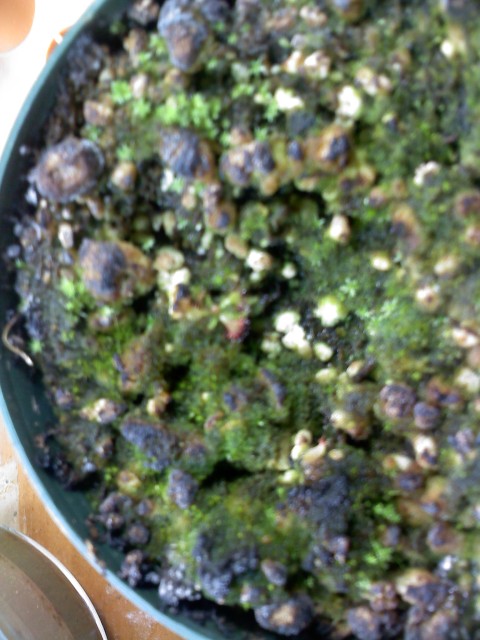
Managing Moss in Drosera Pots: Repot or Scrape
Drosera spatulata Fraser Island No Chemical Solutions Theres no moss killer that wont also harm your Drosera. What kills moss kills sundews. The only reliable methods are physical. Option 1: Full Repot (Best) Repot int
Do Sarracenia Pitchers Need Water Added? Understanding Pitcher Fluid
Sarracenia purpurea & Subspecies These rely on rainwater to fill their pitchers and drown prey. They secrete some digestive enzymes, but will not have fluid unless it rains or you add it manually. In cultivation, you can
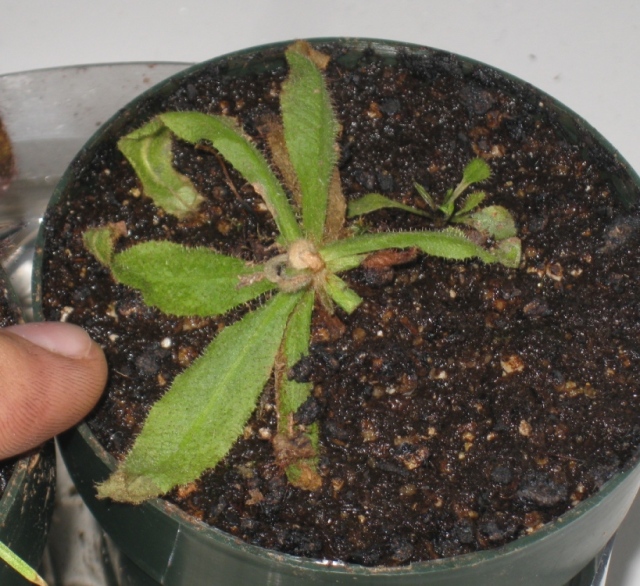
Drosera adelae Not Thriving? It Needs More Light, Not Less
Drosera adelae The Problem: Shade Tolerant ≠ Low Light Your D. adelae is suffering from insufficient light. Many growers hear shade tolerant and place it in deep shade or a dim windowsill. In reality, D. adelae thrives
The Right Soil Mix for Sarracenia, Venus Flytraps, and Nepenthes
Bog Plants: Sarracenia, Dionaea, Drosera, Pinguicula (Temperate) These plants naturally grow in sphagnum peat bogs. In cultivation, mix 1 part peat moss to 1 part drainage material (perlite, coarse sand, pumice, or small
Miracle-Gro Peat Moss Killed My Sarracenia: The Fertilizer Danger
The Culprit: Fertilizer-Enriched Peat Using Miracle-Gro or any fertilizer-amended peat/perlite mix is a death sentence for carnivorous plants. The added nutrients cause root burn, leading to a slow decline—yellowing perl
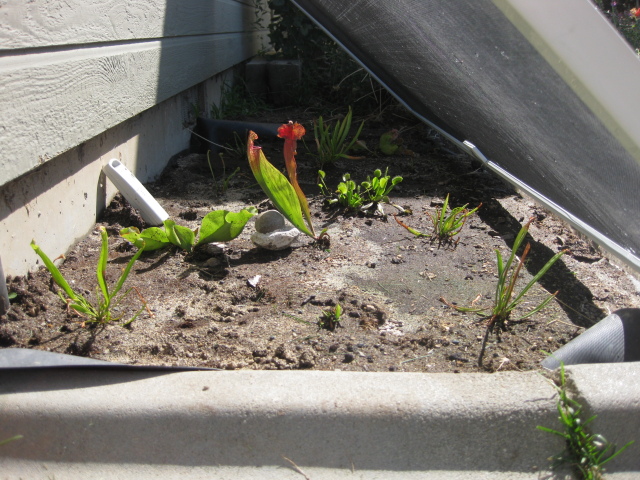
Sarracenia Struggling in Desert Heat? Remove the Shade Cloth!
Bog Garden Sarracenia Northwest Sarracenia flava in Apache Junction, AZ The Problem: Too Much Shade, Not Enough Sun Your plants—especially S. leucophylla Tarnok, Judith Hindle, and S. flava—are showing classic symptoms
Should You Cut Off Old Sarracenia Pitchers? A Species-by-Species Guide
The Short Answer: Yes, Cut Them Off After years on both sides of this debate, the consensus is clear: removing old pitchers benefits most Sarracenia. It allows more light to reach the rhizome crown, reduces fungal risk,
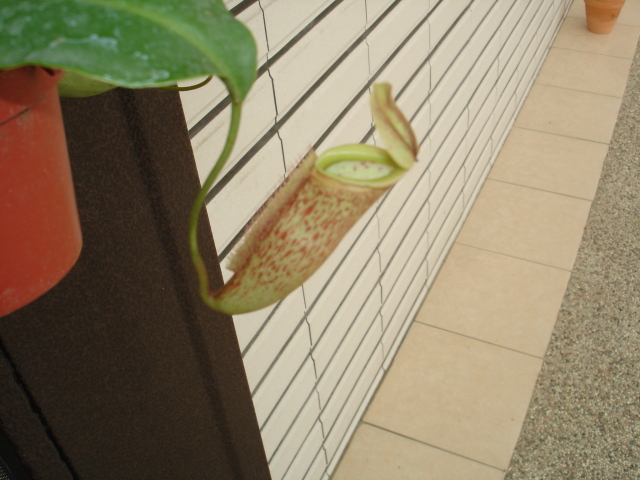
Identifying Your Mystery Nepenthes: Likely a Maxima Hybrid
Unknown Nepenthes Identification Challenges With hundreds of hybrids in cultivation, precise Nepenthes identification is often impossible without known parentage. Your plant resembles a Nepenthes maxima hybrid—vigorous,
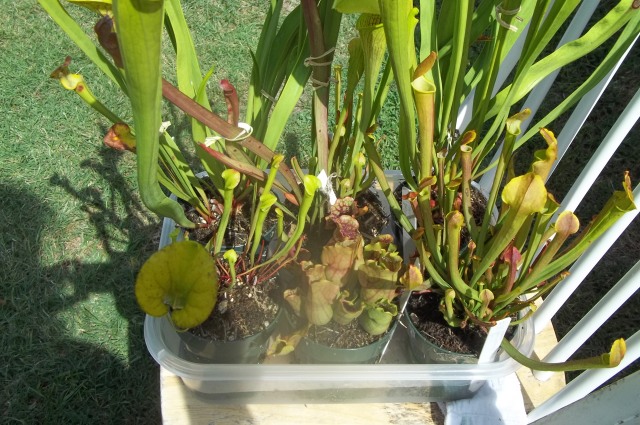
Do Sarracenia Need Space Between Pots? Light Management in Water Trays
Water tray setup Light Competition Is Real Yes, Sarracenia benefit from spacing. In crowded water trays, taller plants shade shorter ones, reducing their light exposure and vigor. This same issue occurs in bog gardens a
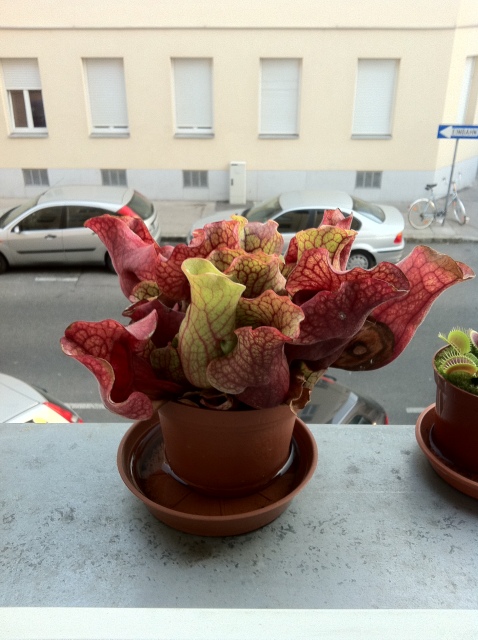
Repotting Sarracenia purpurea: Timing, Soil Mix, and Those Brown Spots
When to Repot Your Sarracenia purpurea definitely needs a larger pot—the roots have filled the current container. However, early spring (as the plant emerges from dormancy) is the ideal time to repot. If you must repot
Heliamphora Pitcher Lifespan and Growth Rate: Patience Required
How Long Do Heliamphora Pitchers Last? With young plants, pitchers typically last 1–2 months. As the plant matures, pitcher longevity increases significantly—mature plants can hold pitchers for 6–9 months. Growth Speed
Copyright © www.100flowers.win Botanic Garden All Rights Reserved