
Low Winter Humidity for Carnivorous Plants: Adaptation Over Humidification
A growers home humidity drops to near zero in winter (80s in summer). Has round-leaf sundew, fork-leaf sundew, Nepenthes. Asks if plants survive or need intervention. Humidity Is a Non-Issue Carnivorous plants adapt to

Repotting Vigorous Cephalotus: Winter Is Fine, Sniff Test Soil
A growers Cephalotus (6 months, 4 pot, 4→12 pitchers) is outgrowing its pot. Asks if spring repotting is necessary given sensitivity. Repot Now (Winter) In home settings, plants have a short winter rest — sufficient for
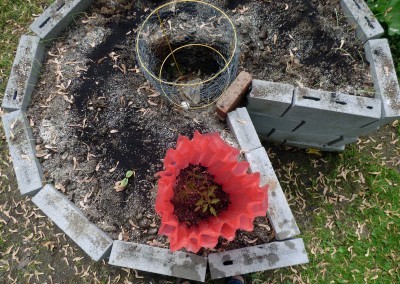
Diagnosing Venus Flytrap Decline Next to Thriving Sarracenia: Winter Damage, Not Competition
A growers S. Judith Hindle and Venus flytrap shared a pot. Flytrap flowered spring (stalk cut late), then made few traps with black tips dying before opening. Now flytrap completely dead; Sarracenia expanded from 1 to 5-
Water in Pitchers: Nepenthes vs. Sarracenia Species Differences
A grower asks if Nepenthes and Sarracenia pitchers should be full, half-full, or empty. General Rule by Lid Type Lidded pitchers (Nepenthes, some Sarracenia): Lid excludes rain; plant produces own fluid as needed. Dont
Sarracenia leucophylla Fall Pitchers and Early Cold in Massachusetts
A southern Massachusetts growers S. leucophylla produced only phyllodia in summer heat (80-90°F), now starting fall pitchers as temps drop to 50°F. Worried cold will stop pitcher production. Normal Seasonal Pattern Plan
Fertilizing Nepenthes × ventrata: Foliar Application Method and Dilution
A grower made ¼ tsp orchid fertilizer per gallon distilled water for N. × ventrata and asks how to apply: mist or soil drench? Application Method Spray or wipe on top and bottom of leaves every 2-4 weeks. Soil applicati
Diagnosing Abnormal Pitcher Growth in Nepenthes hamata: Likely Thrips Infestation
A growers N. hamata (8 inches from two 32W shop lights in terrarium, 70-75°F, good airflow, ZeroWater, live sphagnum, 3-4 months) had normal first pitchers, then one opened incompletely, next grew sideways, subsequent le
Cephalotus Repotting: Coarse Mix Required, Slime Mold Management
A grower asks if standard potting soil works for Cephalotus repotting, and if green beads on soil surface mean it should be discarded. Optimal Soil Mix Standard mix is suboptimal. Cephalotus needs coarse, aerated mix: 1
Growing Drosera adelae and D. prolifera Together: Compatible but Prolifera May Spread Faster
A grower asks if D. adelae and D. prolifera can share a pot, and if one will outcompete the other. Notes adelae is kind to surrounding plants in nature. High Compatibility Both are native to Queensland, Australia, with
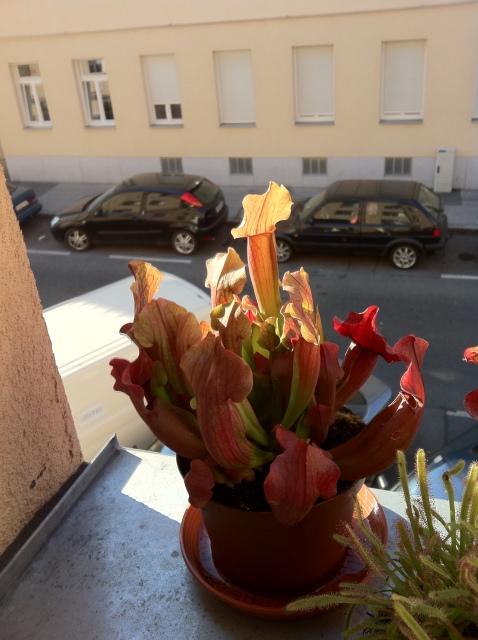
Identifying Sarracenia Hybrid: Likely S. flava × purpurea
A grower bought a plant labeled only Sarracenia and asks for species ID. Identification Its a hybrid, most resembling Sarracenia flava × purpurea. Many varieties exist. Compare at CP Photo Finder: cpphotofinder.com
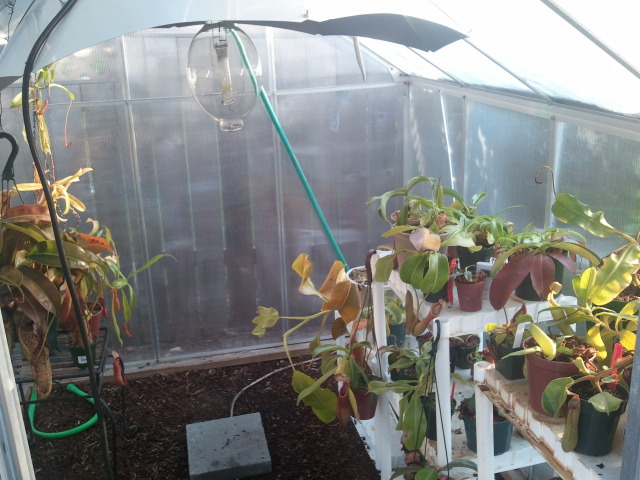
1000W Metal Halide in Small Greenhouse: Heat, Placement, and Fixture Concerns
A grower installed a 1000W metal halide in an 8×6 ft greenhouse for plants from our nursery. Concerns: heat, light intensity, bulb selection. greenhouse Major Concerns Heat/UV intensity: Plants must be 5-6 feet from b
Growing Heliamphora Without a Terrarium: Expect Imperfections
A grower asks if Heliamphora can grow in normal household conditions under fluorescents without a terrarium, and about daily watering needs. Possible But Imperfect Yes, it can grow without a terrarium under fluorescents
Positive Signs: Red Leaves and Nectar on Nepenthes Under Increased Light
A growers N. Poi Dog and N. ventricosa × (ramispina × sanguinea) (2 months old) were under 25W CFL, switched to 125W CFL. Within 4 days: leaves turned very red, sticky sap droplets appeared. Light 9 inches above, 12-hour
Using Nepenthes Mix (with Fir Bark) for Sarracenia: Blending Ratios and Cautions
A grower has unused Nepenthes mix (dried sphagnum, perlite, fir bark) from Cobra Plant and asks if safe for repotting Sarracenia (including purpurea type). Also asks if too late in year to repot. Blending Recommendation
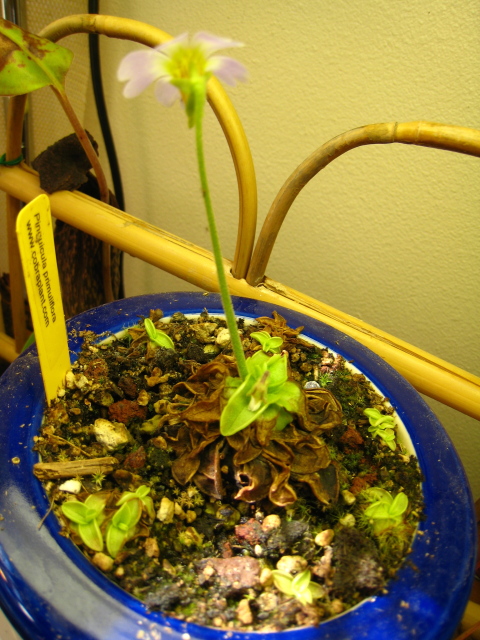
Rescuing a Shrinking Pinguicula primuliflora: Repotting, Sanitation, and Flower Removal
A year-old P. primuliflora continuously shrinks (fewer, smaller leaves replacing old ones) but flowers profusely. Grown in self-watering pot, south window + fluorescents. Asks if removing flowers redirects energy to leav
Repotting Pinguicula primuliflora: Safe Despite Myths, Plus Nepenthes Seasonal Slowdown
A grower bought P. primuliflora in wet peat, wants to repot in recommended mix but read repotting is fatal. Also asks about N. ventricosa slowdown after moving indoors due to hurricane. Repotting Butterworts: Routine, N
Nepenthes Leaf and Pitcher Lifecycle: One Pitcher Per Leaf
A grower asks if a Nepenthes leaf grows a new pitcher after the old one is cut off. One Pitcher Per Leaf Lifetime Each leaf produces one pitcher. Once it dies and is removed, the leaf persists a few months then dies. Ne
Sarracenia Self-Pollination vs. Cross-Pollination: Seed Yield Differences
A grower asks if Sarracenia flowers accept their own pollen or need another plant, for spring planning. Selfing Works But Cross-Pollination Is Better Self-pollination: Possible, but fewer seeds. Same plant, different f
Fixing Waterlogged Sphagnum Mix for Nepenthes: Proper Ratios and Watering Frequency
A grower in Austria potted three unidentified Nepenthes (no pitchers) in sphagnum moss and perlite. Moss stays wet for days; asks if bad and if too much perlite. Correct Mix Ratio Use 1 part dried sphagnum moss : 2 part
Identifying Mystery Pitcher Plant and Correct Watering Method
A grower bought an unlabeled small pitcher plant at an orchid show. It has 12+ thin 3-4 inch leaves with pocket-like ends. Water in saucer turns brown; asks about using charcoal to keep water clean. Identification Neede
Copyright © www.100flowers.win Botanic Garden All Rights Reserved