

New Nepenthes maxima × boschiana in Connecticut: Indoor vs. Outdoor Guidance
A Connecticut grower ordered N. maxima × boschiana and asked whether to grow it indoors or out, given low humidity and cold winters but good sunlight. Jeff Dallas directed them to the Sarracenia Northwest Nepenthes care

Late-Summer Sarracenia Flowers: Normal but Seedless
A grower noticed several Sarracenia sending up flower stalks in late summer and removed them. They asked if this is normal and if certain species are more prone. Jeff Dallas confirmed it happens in nature too. S. oreoph
Sarracenia Division Gone Wrong: Saving a Rootless Rhizome Piece
A grower accidentally broke off a growing point of Sarracenia minor with three leaves and a rhizome piece but no roots. They potted it wet and shaded, but leaves wilted and new growth died. Jeff Dallas said survival is
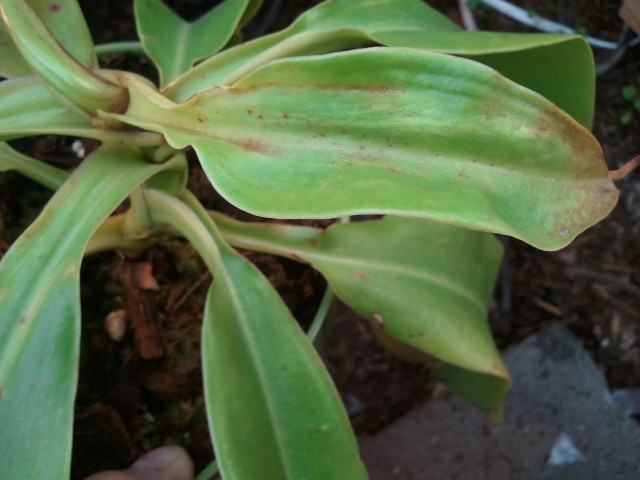
Thrips on Nepenthes: Identification, Neem vs. Pyrethrin, and Greenhouse-Wide Treatment
An Oregon grower with 50+ Nepenthes in a climate-controlled greenhouse noticed rusty, deformed new leaves on four plants. Hand-lens inspection revealed tiny, fast, white bugs—likely thrips larvae causing the damage. Jef
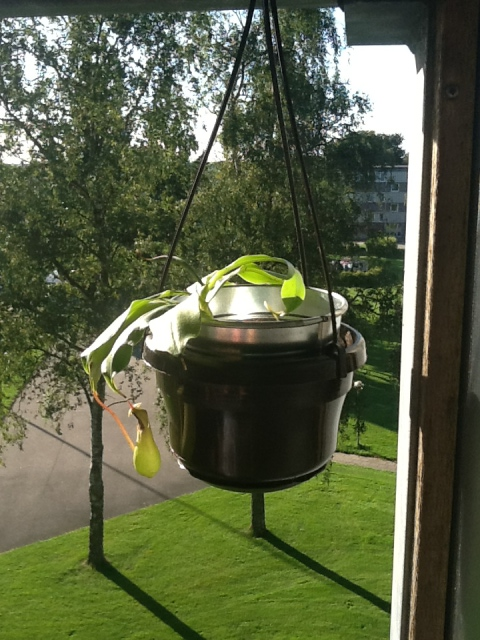
Nepenthes in Metal Pots? Drainage, Light, and the Denmark Grower’s Fix
A Danish grower’s two Nepenthes (in metal containers, no drain holes) weren’t pitchering despite 3 hours direct + 2 hours indirect sun, distilled water every 3 days. Jeff Dallas confirmed the light was likely sufficient
Cephalotus Soil Mix: Silica Sand Sources and Why Vermiculite Fails
An East Coast grower asked for a recommended sand brand for Cephalotus and whether vermiculite could replace hard-to-find pumice. Jeff Dallas suggested silica sand or sandblasting sand. In the Appalachians, children’s p
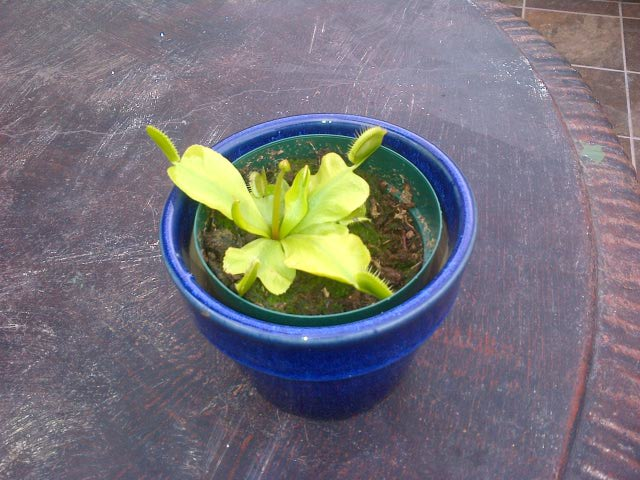
Repotting a Flowering Venus Flytrap in Spring: Cut the Stalk, Then Transplant
A South African grower’s Venus flytrap (bought in winter, never dormant) was flowering in early spring with roots protruding. They’d read not to repot while flowering. Jeff Dallas advised: cut the flower stalk off now—l
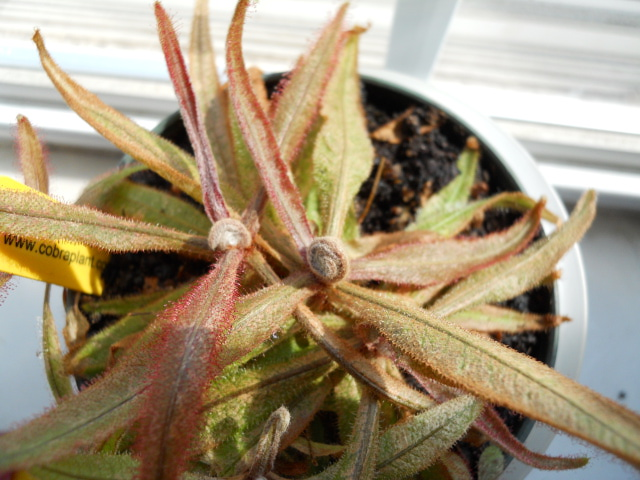
Drosera adelae Leaf Dieback: Spider Mites, Dry Air, and the Cover Trap
An Oklahoma grower’s Drosera adelae developed dried, burnt-looking leaves in a south window with peat/perlite and distilled water. Cutting back helped temporarily, but the issue spread to neighboring pots. Jeff Dallas f
Why Your Nepenthes 'Poi Dog' Won't Pitcher: Light, Consistency, and the Misting Myth
A grower’s Nepenthes Poi Dog (from Sarracenia Northwest) grew leaves but refused to pitcher despite window light, artificial light, and twice-daily misting. Jeff Dallas identified the issues: Light: Needs 3–4 hours of
Legally Acquiring Endangered Sarracenia (oreophila, rubra jonesii) Across State Lines
A grower asked how to obtain Sarracenia oreophila and S. rubra ssp. jonesii without traveling to the nursery’s state, since sales are restricted. Jeff Dallas explained: US Fish & Wildlife issues permits for interstate s
Encouraging Basal Shoots in Nepenthes: Pruning, Cuttings, and Rooting Hormone Options
A grower with a vining Nepenthes sanguinea wanted to induce basal shoots before cutting it back. They also asked which cutting method from the Grow Carnivorous Plants DVD volume 3 is best for beginners without access to
Perlite vs. Sand in Carnivorous Plant Mixes: Consistency and Fertilizer Contamination
A grower using Canadian peat and washed horticultural sand asked why Sarracenia Northwest often recommends perlite over sand. Jeff Dallas explained: historically, perlite was more consistent. Sand varied—calcareous in t
Peat Moss Alternatives for Carnivorous Plants: Coir, Ethics, and Practical Tips
A Vancouver, BC grower wanted to avoid peat moss due to habitat destruction concerns. They asked about coir, clay pellets, or hydroponic media for Sarracenia, Venus flytraps, and sundews in an outdoor bog. Jeff Dallas c
Choosing Compact Grow Lights for Nepenthes: T5 vs. T12 vs. CFL
A grower with a large Nepenthes collection asked whether to invest in a pricey T5 fixture (104 watts, 72% brighter than shop lights) or stick with their 4-foot, two-bulb T12 shop light. Jeff Dallas broke it down: T5s ar
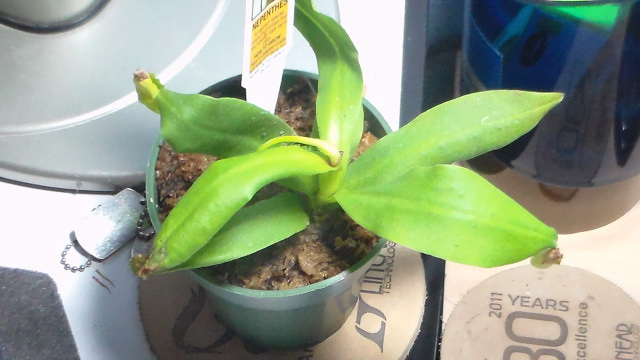
New Nepenthes sanguinea: Transition Shock, Not Sunburn or Dehydration
A California grower received a Nepenthes sanguinea with marks on leaves and pitchers, worried about sunburn or dehydration. The plant was destined for indoor fluorescent lighting with RO water in long-fiber sphagnum. Je
Drosera venusta Flowering Slowdown: Temperature Matters More Than Blooms
A Drosera venusta Tsitsikamma slowed growth while producing a second flower stalk, with no new leaf visible in the crown. The grower wondered if it was dying or just pausing for flowering. Jeff Dallas noted that his for
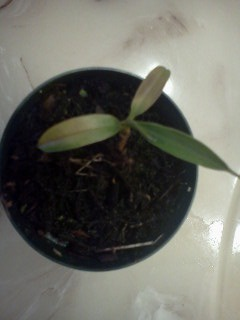
Rescuing a Sunburned Nepenthes jamban: Coffee Fertilization Experiment
A Nepenthes jamban suffered shock after being moved outdoors for summer, then repotted in July, and finally brought back inside. The older leaves showed burn, but the newest leaf looked healthy. The grower had also appli
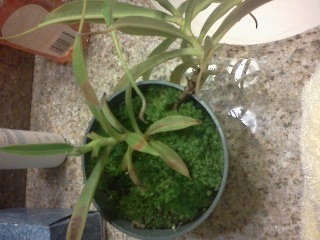
Managing Vine-Like Nepenthes Growth: Staking vs. Cutting
A grower with a Nepenthes singalana that had sprawled outside its pot asked whether to cut the long stem. The plant had been outdoors in summer and was now indoors recovering. Jeff Dallas explained that Nepenthes are na
Utricularia gibba Care: Submerged Growth, Water Quality, and Algae Control
Another query from the same Michigan grower (Hannah) about U. gibba care received a more detailed response from an expert named Jake. Key points: Grow U. gibba submerged under 2–3 inches of water in a clear container.
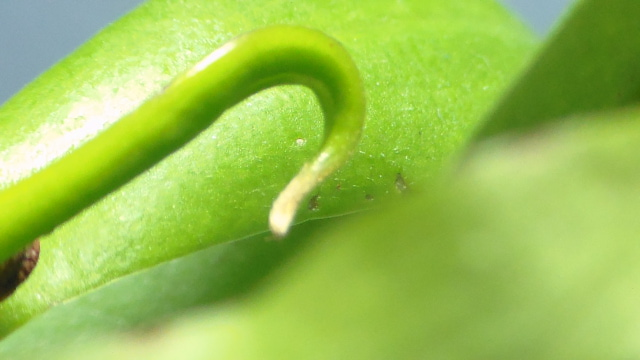
Normal Nepenthes Traits Mistaken for Problems: Red Bases and Pitcher Fuzz
A new Nepenthes sanguinea owner in California panicked over a reddish leaf base and a powdery white tip on a new leaf, fearing pests or disease. Jeff Dallas reassured them: both are completely normal. The red base is a
Copyright © www.100flowers.win Botanic Garden All Rights Reserved