


Utricularia gibba Cutting Size: 3" from Tip, 6" from Mid-Strand
For U. gibba cuttings: 3 inches from growing tip, or 6 inches from mid-strand. Longer cuttings = higher success.

Pinguicula primuliflora Lifespan: 2 Years for Main Plant, Colony Lives On
The main P. primuliflora rosette lives ~2 years but propagates via leaf buds, making the colony potentially immortal. Whole-colony death suggests fungus or gnats.
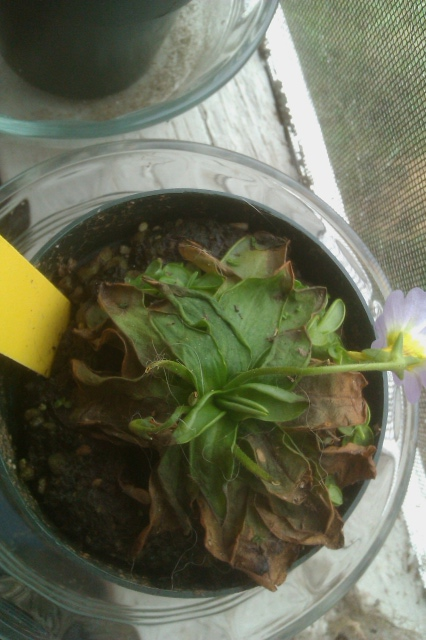
Pinguicula primuliflora Browning Tips: Normal Leaf Aging, Not Disease
Browning tips on older P. primuliflora leaves are normal senescence. New growth looks healthy—just clip dead leaves to prevent fungus. This species is sensitive to moves; minimize changes. Care Trim brown leaves at bas
King Sundew (Drosera regia) Offshoots: Wait Until ¼ Mother Size Before Separating
Separate D. regia plantlets when they reach ¼ the mother plants size and have their own roots. Cutting roots requires the offset to be self-sustaining. Guidelines Young mother? Wait longer. Mature mother? ¼ size rule a
Nepenthes bicalcarata in South Florida: No Terrarium Needed—Grow Outdoors Under Trees
N. bicalcarata (fanged pitcher plant) thrives outdoors in South Floridas humidity. Grow under trees for dappled light; protect below 50°F. Terrariums cause rot and are outgrown fast—adults span 3+ feet. Outdoor Care Da
Sarracenia oreophila Seed Stratification: No Drying Needed—Stratify Fresh
Fresh S. oreophila seeds dont need air-drying. Stratify immediately after harvest for best germination. See DVD Vol. 1 for stratification method.
Mini Greenhouse for Carnivorous Plants on Oregon Coast: Not Needed—Use Windowsills
A mini greenhouse is unnecessary. Most tropical CPs adapt as houseplants in a sunny south window. Sarracenia and Dionaea grow best outdoors year-round in Oregon. Simple Plan Nepenthes, tropical Drosera, Pinguicula: Sou
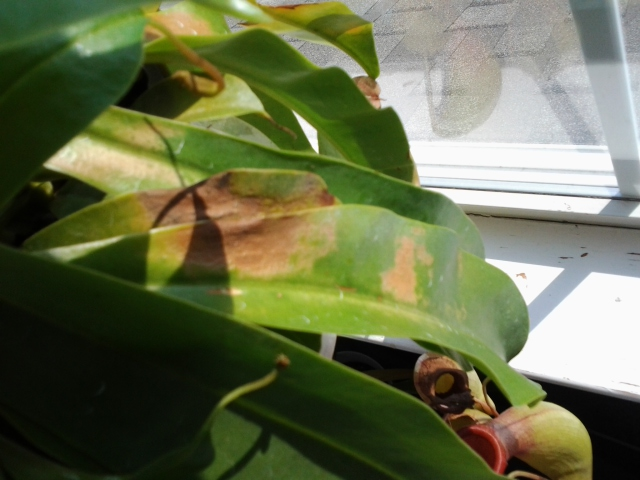
Nepenthes ventrata Brown Patches: Sun Scald, Not Disease
Brown patches on older N. ventrata leaves after moving to an east window with direct morning sun are sun scald—common when plants go from low to high light suddenly. What to Do Leave it—new growth acclimates. Clip old
Heliamphora vs. Nepenthes hamata: Difficulty Depends on Your Conditions
Neither is inherently harder—success depends on matching your environment. If you grow N. mira well (cool nights, bright light), you can likely grow both N. hamata and Heliamphora. Real-World Tests N. hamata on Oregon
Baby Venus Flytraps in Tennessee: Skip First Winter Dormancy Indoors
Seed-grown VFTs (July sowing) in Knoxville, TN should spend their first winter indoors on a sunny south windowsill or under strong lights. Skipping dormancy builds size; theyll handle outdoor winters next year. Indoor W
Nepenthes hamata vs. Heliamphora: Which Fits 76°F Day / 71°F Night?
Heliamphora is the better choice. N. hamata needs nights below 60°F (ideally 50–55°F) to slow metabolism. At 71°F nights, it exhausts and fails. Heliamphora tolerates 71°F nights if days are mild (70s°F). Key Difference
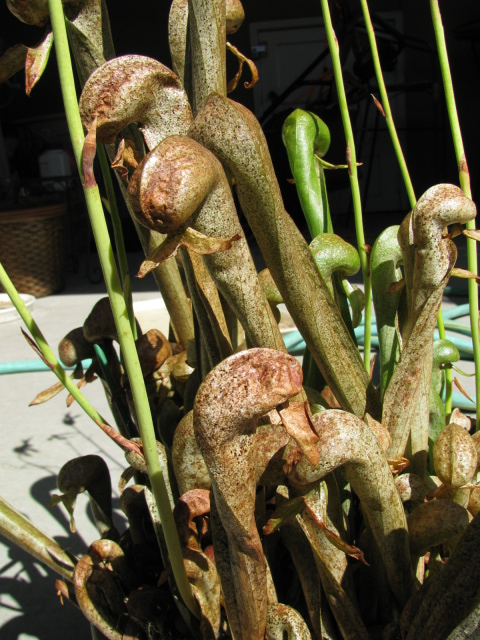
Darlingtonia californica Sudden Decline: Systemic Fungicide/Insecticide Treatment
A 6-year-old Darlingtonia browning rapidly with new growth also affected likely has a root pathogen (fungus or insect). Treat with Bayer 3-in-1 (imidacloprid + fungicide) as a foliar spray in early evening. Treatment S
Repotting Nepenthes ventricosa × truncata: Removing Lower Pitchers Is Fine
When repotting a viney Nepenthes with pitchers near the pot base, its okay to remove lower pitchers to ease the process. The plant will look awkward for a few months but will appreciate the root space. Tips Cut pitcher
Pinguicula emarginata Losing Stickiness: Seasonal Transition or Fertilizer Burn?
P. emarginata naturally reduces dew in fall after flowering—leaves thicken, shorten, and lose stickiness as it enters a dry-season rest. But foliar fertilizer (urea-free 20-10-20) may worsen it, especially on thin-leaved
Sarracenia purpurea subsp. montana Dormancy in Georgia: Timing, Light Cues, and Feeding
In Athens, GA (Zone 7), S. purpurea subsp. montana needs 3–4 months at ~40°F with short days (<8 hrs light). Use natural light cues or artificial photoperiod reduction. Dormancy Protocol Shorten light by 1 hr/week star
Heliamphora 'Tequila' in New Zealand Spring: Indoor Open Terrarium Recommended
Heliamphora needs stable conditions—best grown indoors in an open terrarium (no lid) with bright light and high humidity. Outdoor fluctuations in NZ spring risk malformed nectar spoons. Indoor Setup Location: Bright ro
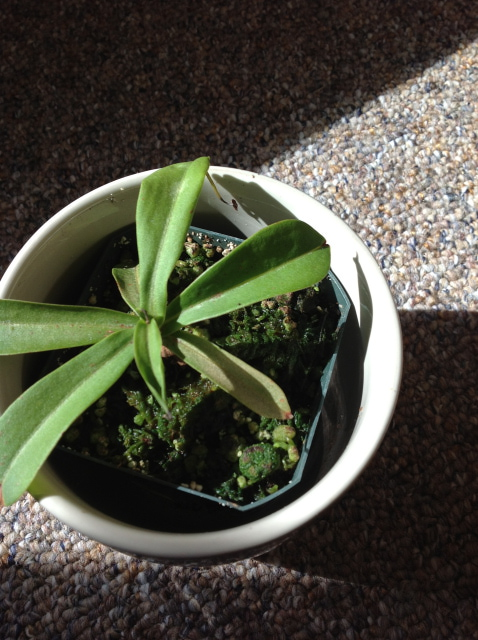
Nepenthes ventricosa in Sphagnum: Check Drainage, Remove Cache Pot
If water drains freely, sphagnum moss (Better-Gro) provides enough oxygen. But a plastic pot sitting in a ceramic cache pot traps water—causing root rot. Remove the cache pot. Key Checks Water must flow through in seco
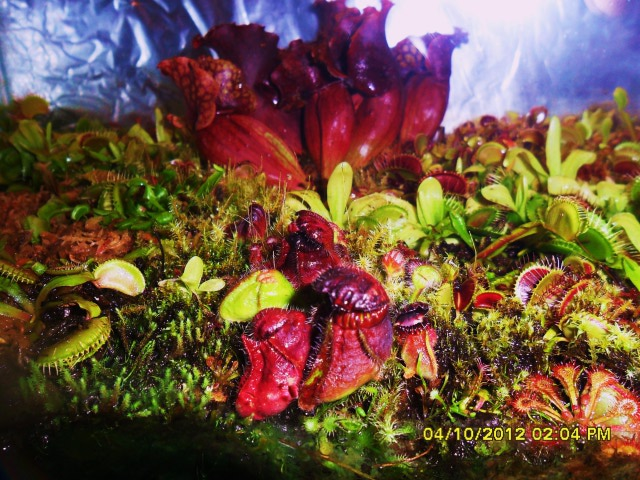
Cephalotus follicularis in Hot Climates: Terrarium with Cool Lights and AC Is Essential
In hot climates (e.g., Texas), Cephalotus85°F cause decline. Terrarium Requirements Lights: Multiple 48 cool white fluorescent fixtures (40W, 1900 lumens each). Temp: 75–88°F day, 50–70°F night. Humidity: 65–75% with 7
Cephalotus follicularis Indoors in South Florida: East Window, No Dormancy Needed
In South Floridas stable warmth, Cephalotus thrives on an east windowsill with 4+ hours direct morning sun. No winter dormancy required—grows year-round. Simple Care Window: East preferred (gentle morning sun). Temp: 7
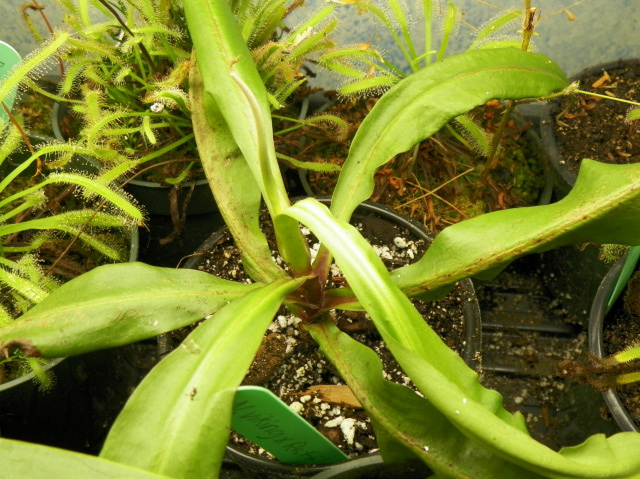
Nepenthes Shock After Shipping: Humidity Acclimation with Bag Method
New Nepenthes hybrids showing leaf tip burn and wilting after shipping are suffering humidity shock. The fix: gradual acclimation using a plastic bag. Step-by-Step Recovery Trim 3 oldest/worst leaves. Mist plant, place
Copyright © www.100flowers.win Botanic Garden All Rights Reserved