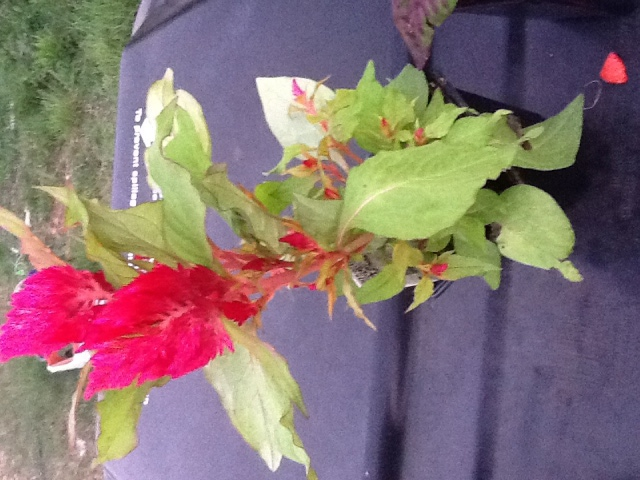
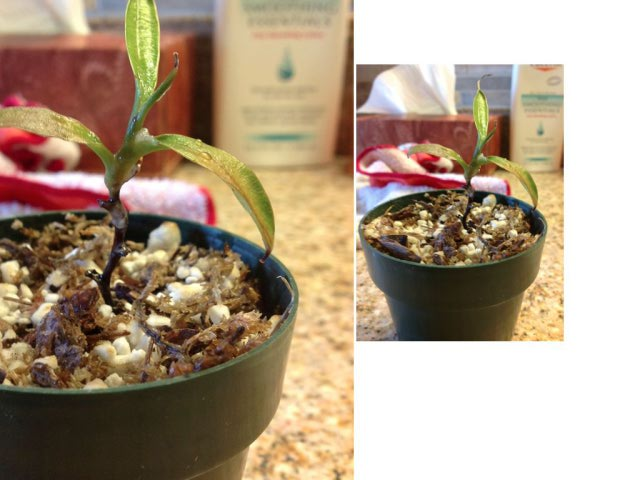
White Ooze on Nepenthes jamban: It's Nectar, Not Disease
A sticky, expanding substance on Nepenthes jamban leaves that reacts to water is not a fungus or pest—its extrafloral nectar. Nepenthes produce nectar along leaves and pitcher rims to lure insects toward the trap. What


Repotting and Dividing a Large Nepenthes 'DeRoose Alata': Soil, Cuttings, and Humidity
A two-year-old Nepenthes DeRoose Alata (likely N. alata × ventricosa × alata) outgrowing a coconut-lined basket needs repotting into proper media—and can be divided to create new plants. Correct Soil Mix Never use stand
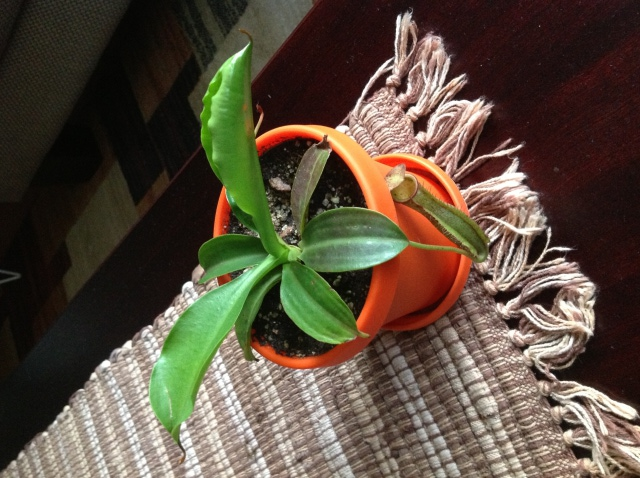
Why Young Nepenthes and Sarracenia Aren't Pitchering: Light, Dormancy, and Species Needs
Three months without pitchers on a young Nepenthes (monkey cup) and Sarracenia usually points to insufficient light—or in the case of Sarracenia, the approach of winter dormancy. Nepenthes: Light Is the Primary Driver
Identifying and Treating Springtails or Fungus Gnats in Carnivorous Plant Collections
Tiny, grayish insects on soil surfaces and pot rims—especially in groups—are likely springtails or fungus gnats. While often harmless, large populations can damage roots and indicate overly wet conditions. Springtails v
Overwintering Sarracenia and Venus Flytraps in Small Pots: Repotting and Cold Protection
Small pots (3–4 inch) increase freeze risk for temperate carnivores in Zone 8a (Western Oregon). Repotting now—while plants are dormant—is safe and beneficial. Repotting Options Direct repot into 5–8 inch pots: Use 50/
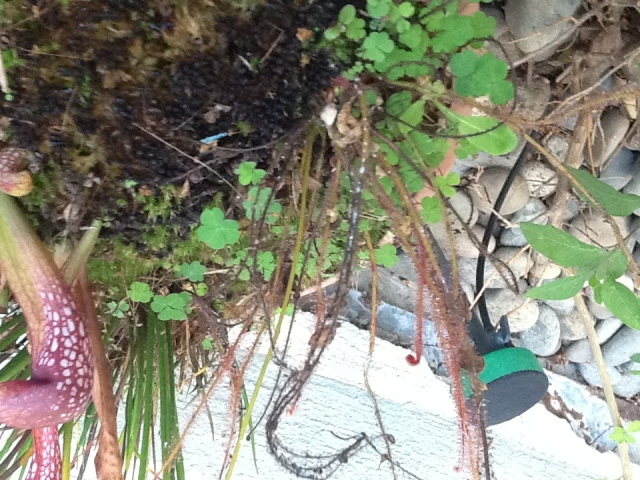
Treating Mealybugs on Drosera filiformis: Targeted Insecticide Application
Mealybugs on Drosera filiformis (dewthread sundew) are uncommon but treatable. These pests hide in the crown where new growth emerges, avoiding the sticky tentacles. How to Apply Insecticide Safely Use a systemic insec
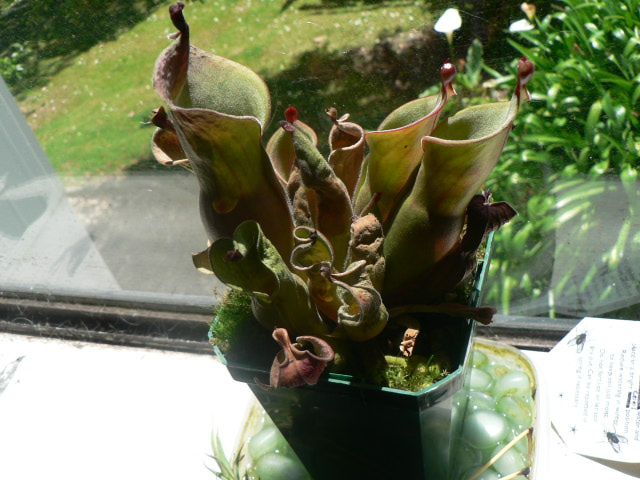
Heliamphora Decline After Drying Out: Recovery Steps and Prevention
A single missed watering that lets the soil dry completely can trigger a slow, irreversible decline in Heliamphora. These tepui natives demand constant moisture; even brief drought damages roots and growing points. What
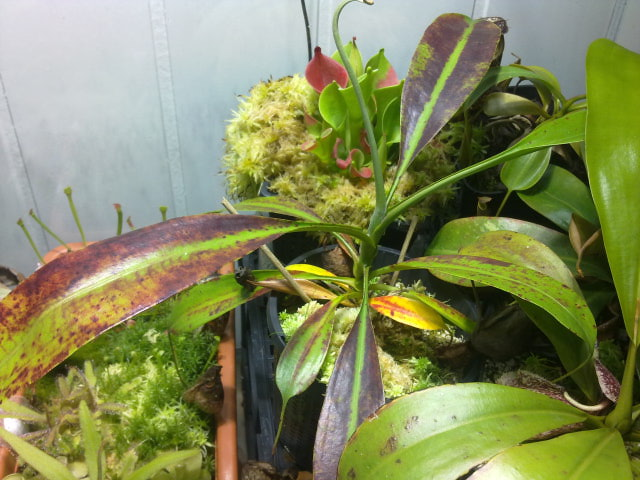
Red and Black Leaf Coloration on Nepenthes rafflesiana: Light Stress vs. Burn
Seeing red, orange, or purple hues on your Nepenthes rafflesiana? Thats usually a healthy response to high light—like a suntan. But if leaf edges turn brown or black, youre dealing with light or heat burn, especially und
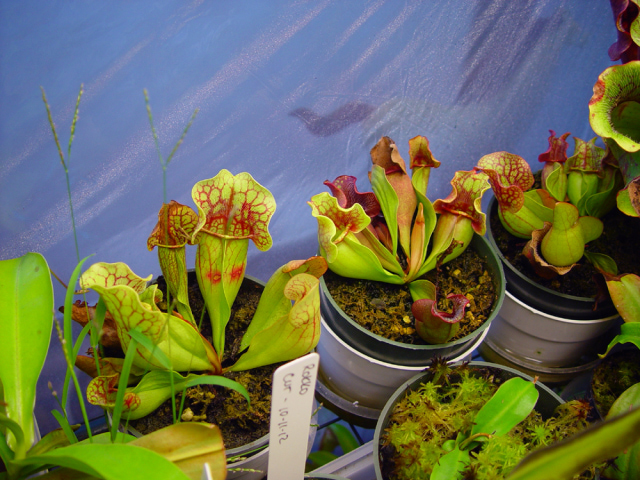
Overwintering Sarracenia purpurea at High Elevation: Indoor Dormancy and Bog Garden Planning
Growing Sarracenia purpurea at 6,700 feet in New Mexicos Manzano Mountains presents challenges: intense UV, low humidity, and extreme temperature swings. When outdoor conditions cause die-back, moving plants into a humid
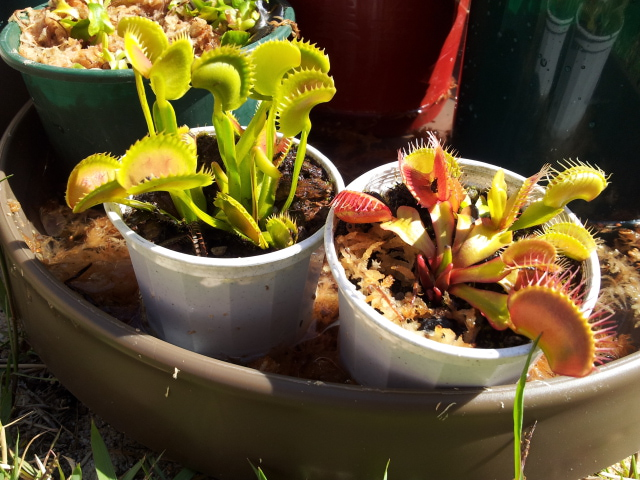
Venus Flytrap New Growth Turning Black? Pot Size, Soil, and Watering Fixes
Healthy Venus flytraps (Dionaea muscipula) producing black, malformed traps—especially on new growth—often signal root zone issues, not disease. In Perths hot spring climate, even well-acclimated plants can struggle if p
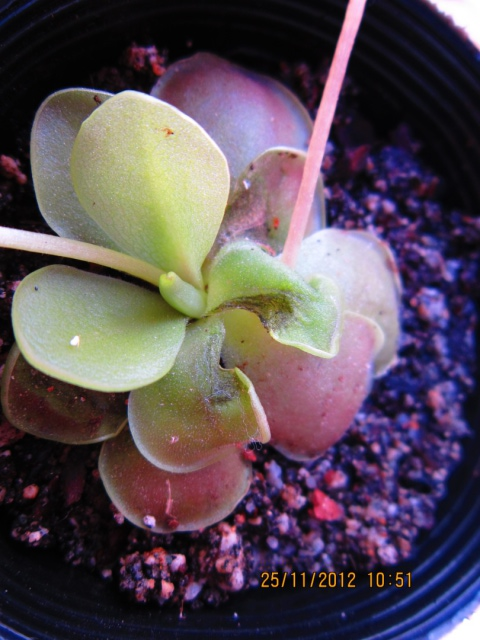
Why Your Pinguicula 'Sethos' Is Rotting: Light, Water, and Soil Fixes
A newly acquired Pinguicula Sethos (a Mexican butterwort hybrid) showing base rot, weak flower stalks, and no dew is likely suffering from a combination of insufficient light, excessive moisture, and an unsuitable soil m
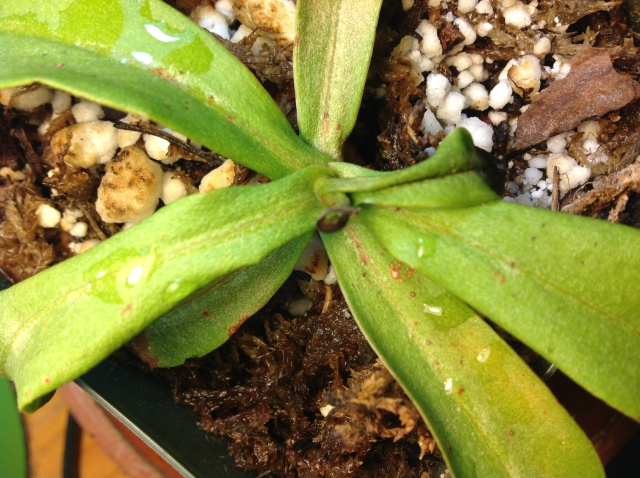
Red Spots on Nepenthes ventricosa: What They Mean and How to Fix Dehydration
Noticing red spots on your Nepenthes ventricosa can be alarming, but theyre often a harmless response to high light—similar to a plant tan. However, if the plant also shows signs of dehydration—such as limp leaves, poor
Winter Care for Drosophyllum: Protecting Your Dewy Pine from Freezing Temperatures
Growing Drosophyllum lusitanicum (the dewy pine) in climates with unpredictable winters—like Dallas, Texas—requires careful attention to temperature thresholds. Native to Portugal and Spain, this species experiences occa
Getting Started with Carnivorous Plants: A Beginner's Guide to Choosing Your First Fly-Catcher
After moving across the state and leaving behind a beloved houseplant, many plant enthusiasts find themselves looking for a new green companion—especially when the new apartment comes with an unwanted fly population. If
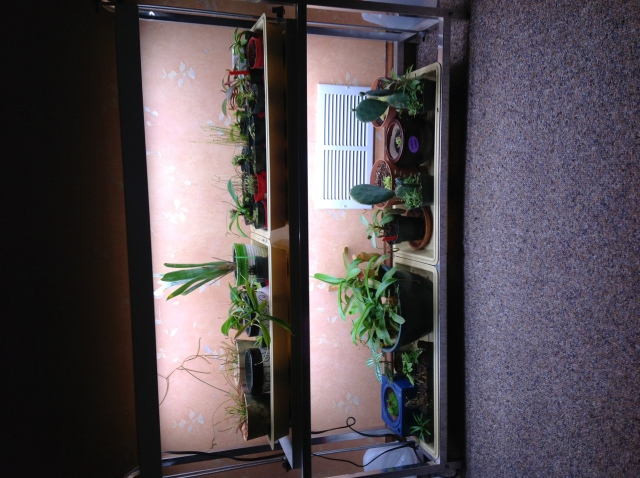
Imidacloprid Safety on Nepenthes: Generally Safe, But Check Growing Conditions
Grower used imidacloprid (Bayer 3-in-1) on N. jamban (died) and N. singalana (similar issues: springtails, no pitchers, but new growth). Asked if chemical caused death. Response Bayer 3-in-1 used routinely in Nepenthes
Cephalotus Seedling vs. Cutting: Clones Grow Faster, Roots Hate Disturbance
Growers seedling Cephalotus flushing red under lights; bought mature cutting from California Carnivores. Asked about seed vigor vs. cutting robustness. Experience Larger clones grow faster and more robust. Critical: Cep
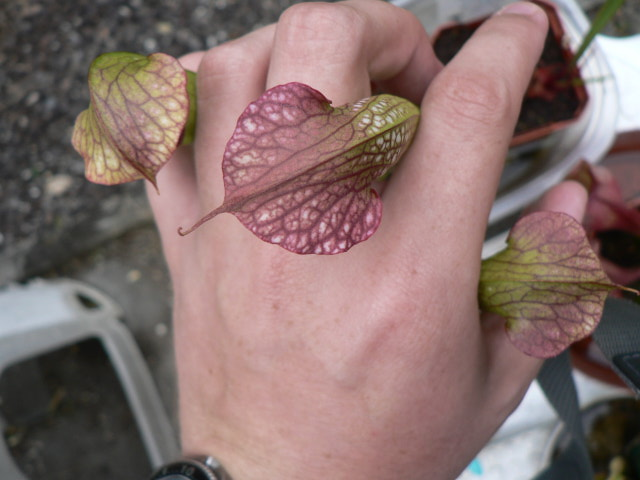
Sarracenia Color Quirks: Red Spots and Dull Lids Are Normal
Growers Danas Delight has red spots on green areas; Excellens lids dulling. Newest vs. oldest leaves shown. Verdict Perfectly normal. Sarracenia develop wild colors through season. Red spots on red hybrids typical. Dull
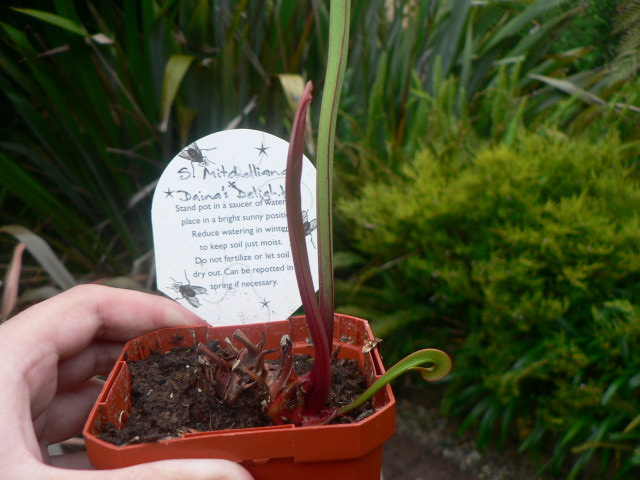
Sarracenia & VFT Deformities: Moss Indicates Repot Time, Wind Curling
Growers VFT has dense tall moss; new trap slightly deformed. S. Danas Delight second pitcher curled under, third ahead. VFT Moss not harmful but signals old pot. Move to 6 pot—VFTs love space. Deformity likely from aphi
Nepenthes Not Pitchering in Bathroom: Light, Humidity Stability, Species ID
California growers hanging Nepenthes in bathroom (stained glass ceiling, shower humidity, air movement) has blackening old pitchers, new ones abort. No saucer, kept moist. Factors Light: Needs very bright, near full su
Mold Outbreak in Nepenthes Terrarium: Quarantine, Repot, Dry Out
3-year-old Nepenthes repotted in same sphagnum brand; 3 days later pitchers shrivel, leaves leathery, white fuzzy mold spreads, kills sundew & VFT. Fungicide failed. New vine rooted in fresh moss, but mold returned. Eme
Copyright © www.100flowers.win Botanic Garden All Rights Reserved